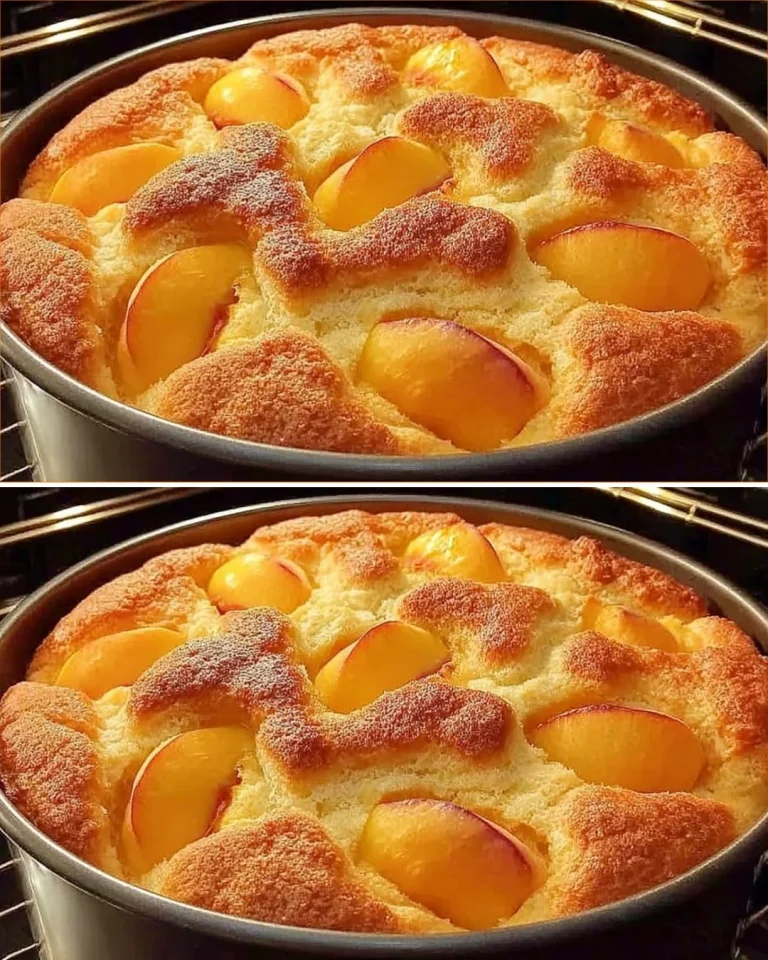
This sweet corn yogurt snack cake is the kind of “stir, pour, bake” treat that works for busy afternoons when you want something homemade but not fussy. It’s lightly sweet, tender from yogurt and eggs, and pleasantly textured thanks to semolina and whole corn kernels. Nutrition-wise, it’s more of a snack cake than a dessert-bomb (there’s some protein from eggs and yogurt, plus fiber from corn), but it still contains added sugar and refined flour—so it’s best enjoyed as an everyday treat in sensible slices rather than a “health cake.” If you like the tangy yogurt note in baked snacks, you might also enjoy these chickpea sweet potato cakes with herb yogurt sauce for a savory take.
This recipe is best for home cooks who want a dependable bake that doesn’t require a mixer, fancy frosting, or special pans. The blended corn gives the crumb a naturally golden color and a gentle sweetness, while the unblended kernels add little pops of bite—don’t skip that last half cup of corn unless you truly want a smoother texture.
Why This Recipe Is Helpful
- Uses simple, budget-friendly ingredients (corn, yogurt, eggs, pantry staples).
- No mixer needed—just a blender for the batter base and a bowl for the dry ingredients.
- Great “snack cake” texture: moist and tender with a slightly nubby crumb from semolina.
- Easy to slice and pack for lunchboxes or an afternoon snack.
- Works well with fresh, frozen, or well-drained canned corn depending on what you have.
- Not overly sweet, so it pairs nicely with fruit or tea/coffee without feeling heavy.
Who This Recipe Is Best For
This is a nice fit for anyone who likes lightly sweet, not-too-frosted baked goods—think breakfast/snack cake rather than celebration cake. It’s also great for people who enjoy corn-based bakes (like cornbread) but want something a little softer and more dessert-leaning, with yogurt adding a gentle tang. If you often have yogurt in the fridge and random bags of frozen corn, this is a practical way to turn them into something that feels special.
Who Should Be Careful
Because this cake includes added sugar, semolina, and flour, it may not be ideal for people strictly managing blood sugar or those who do best with lower-carb snacks. It also contains dairy (yogurt) and eggs, so it won’t suit vegan diets and may not work for those with egg or dairy allergies. If you’re sensitive to richer snacks, keep slices smaller—oil plus semolina can feel a bit filling.
Ingredients
- Corn kernels, divided: 2 cups (about 300 g)
- Use fresh, thawed frozen, or well-drained canned
- Eggs: 2 large
- Plain yogurt: 1/2 cup (120 g)
- Granulated sugar: 1/3 cup (65–70 g)
- Neutral oil (canola, sunflower, avocado): 1/3 cup (80 ml)
- Semolina: 3/4 cup (120 g)
- All-purpose flour: 1/2 cup (65 g)
- Baking powder: 1 teaspoon (4 g)
- Vanilla extract: 1 teaspoon (5 ml)
- Lemon zest: from 1 lemon (about 1–2 teaspoons)
- Salt: pinch (about 1/8 teaspoon)
Ingredient Notes
- Corn kernels: If using frozen corn, thaw and pat dry so the batter doesn’t get watery. If using canned, drain very well and blot with paper towel.
- Yogurt: Plain yogurt gives tenderness and a slight tang. Greek yogurt works too, but the batter will be a touch thicker (not a problem).
- Semolina: This is what gives the cake its pleasant, slightly textured bite. If you’re expecting a super-fluffy sponge, semolina makes it more “snack cake” than “birthday cake.”
- Lemon zest: Brightens the whole bake and keeps the sweetness from feeling flat. If your lemon is large, start with 1 teaspoon zest and add more if you like it punchier.
- Oil: Keeps the cake moist even the next day. Melted butter can be used, but the crumb will be a bit denser.
Kitchen Tools Needed
- Blender (or food processor)
- Mixing bowl
- Whisk or sturdy spoon
- Measuring cups/spoons (and/or kitchen scale)
- 8-inch (20 cm) square pan or small round pan (about 8 inches / 20 cm)
- Parchment paper (recommended)
Step-by-Step Instructions
- Prep the oven and pan. Heat the oven to 350°F (175°C). Line an 8-inch (20 cm) square or round pan with parchment (or grease well).
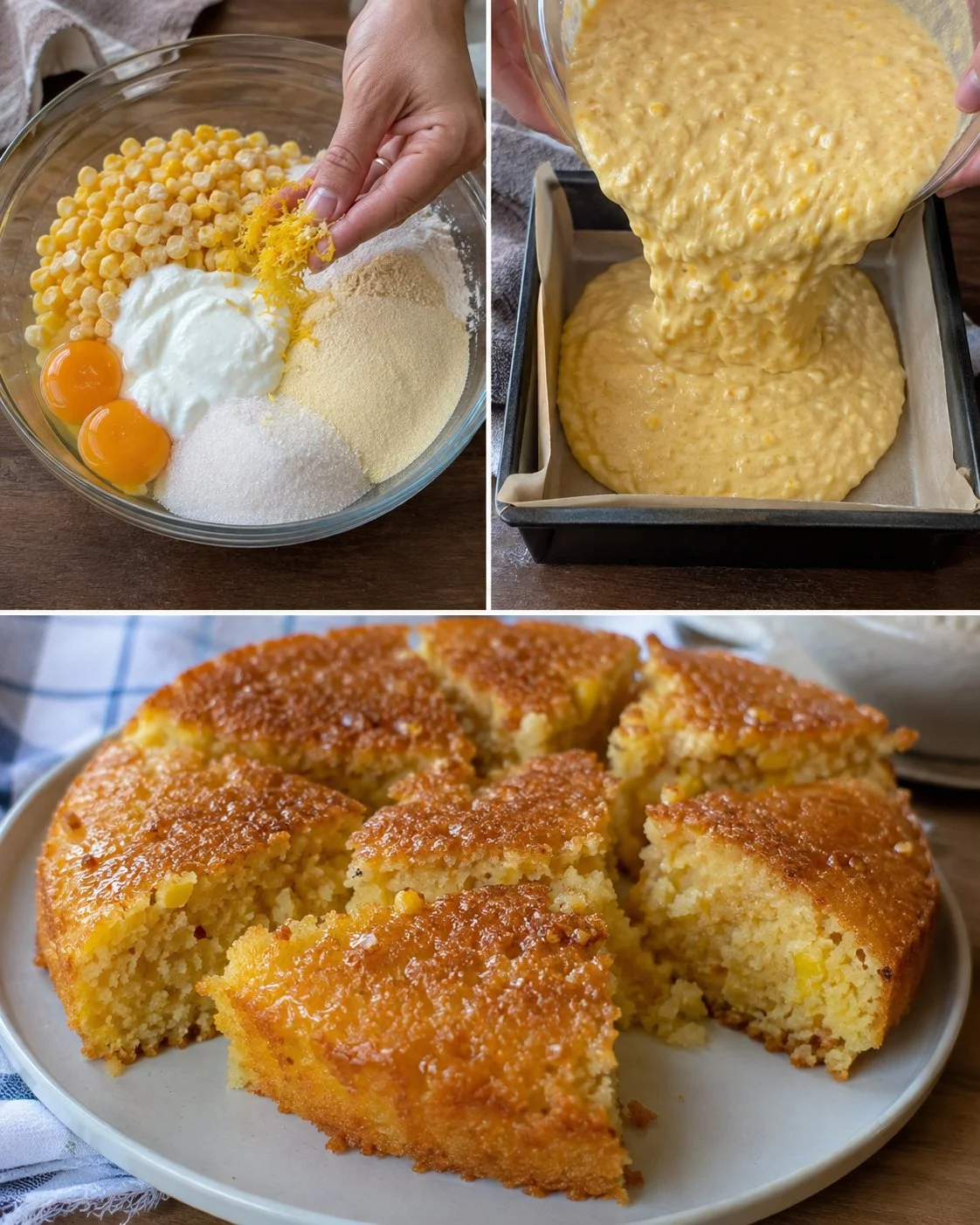
- Blend the wet base. Add 1 1/2 cups (about 225 g) of the corn, eggs, yogurt, sugar, oil, vanilla, lemon zest, and salt to a blender. Blend until mostly smooth. A few tiny corn bits are fine—overblending can make it gummy.
- Mix in the dry ingredients. Pour the blended mixture into a mixing bowl. Whisk in the semolina, flour, and baking powder until you don’t see dry pockets. The batter should look thick but pourable.
- Fold in the remaining corn. Stir in the remaining 1/2 cup (about 75 g) corn kernels. This gives you those sweet little pops throughout the cake.
- Bake. Pour batter into the prepared pan and smooth the top. Bake for 30–35 minutes, until the top is golden, the center feels set when gently pressed, and a toothpick comes out clean or with just a few moist crumbs (not wet batter).
- Cool and slice. Let the cake cool in the pan for 10–15 minutes, then lift out (if using parchment) and cool a bit longer before slicing. The crumb sets as it cools, so it slices more neatly after 20–30 minutes.
Pro Tips
- Drain corn well. Extra moisture from corn (especially canned) is the #1 reason this can bake up too soft in the center.
- Don’t chase “ultra smooth.” A mostly smooth blend gives the best texture; too much blending can make it heavy.
- Check at 30 minutes. Ovens vary, and a smaller/deeper pan may need a few extra minutes.
- Let it rest before cutting. Semolina cakes slice cleaner after a short cool-down.
- Brighten at serving. A squeeze of lemon or a spoon of yogurt on the side makes the flavor pop without adding frosting.
Healthier or Lighter Swaps
- Reduce the sugar: Try 1/4 cup (50 g) sugar for a less-sweet snack cake. The corn still gives natural sweetness, but the cake will taste more “breakfast-y.”
- Use Greek yogurt: Boosts protein a bit and makes the cake feel more substantial (it may bake up slightly denser).
- Swap part of the flour: Replace 1/4 cup (30 g) all-purpose flour with whole wheat flour for a slightly nuttier, heartier crumb.
- Portion strategy: Bake as directed and simply cut smaller squares—often the easiest “lighter” move without changing the recipe’s chemistry.
Common Mistakes
- Using watery corn: Thaw/drain and blot. Too much liquid can lead to a gummy middle.
- Overbaking until dry: Pull it when a tester has moist crumbs, not when it’s bone-dry—this cake is meant to be tender.
- Skipping the salt: It’s just a pinch, but it helps the corn and lemon taste brighter.
- Cutting too soon: Warm semolina cakes can crumble; give it a little time to set.
Variations
- Coconut-corn: Replace 2 tablespoons (25 g) of flour with unsweetened shredded coconut for a subtle coconut note.
- Berry add-in: Fold in 1/2 cup (75 g) blueberries (fresh or frozen) along with the last corn. Frozen berries may add bake time.
- Orange instead of lemon: Use orange zest for a softer citrus flavor.
- Warm spice: Add 1/2 teaspoon cinnamon for a cozy version (nice with tea).
Serving Suggestions
- Serve slightly warm with a spoonful of plain yogurt and fresh berries.
- Pair with fruit for a more balanced snack (apple slices, oranges, or grapes work well).
- For dessert, dust lightly with powdered sugar and serve with extra lemon zest on top.
- If you’re serving kids, it’s great cut into small squares with a glass of milk.
Storage Instructions
- Store in an airtight container at room temperature for 1 day.
- For longer storage, refrigerate for up to 4 days. The texture firms up slightly in the fridge (still good).
- Freeze slices wrapped well for up to 2 months. Thaw in the fridge or at room temperature.
Reheating Tips
- For the best texture, warm slices in the microwave for 10–15 seconds (just until gently warm).
- If reheating from chilled, a quick warm-up brings back the cake’s soft, moist crumb.
Nutrition Estimate
Per serving (1/9 of the pan), approximate: 190 calories, 4 g protein, 26 g carbs, 8 g fat.
These values are estimates and will vary with