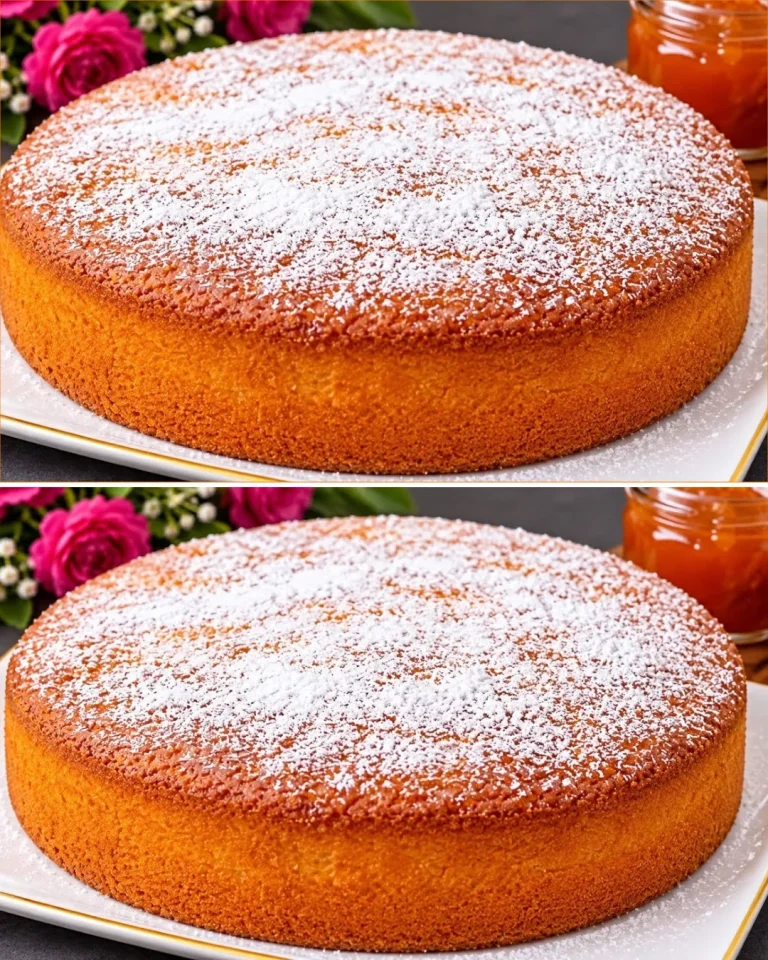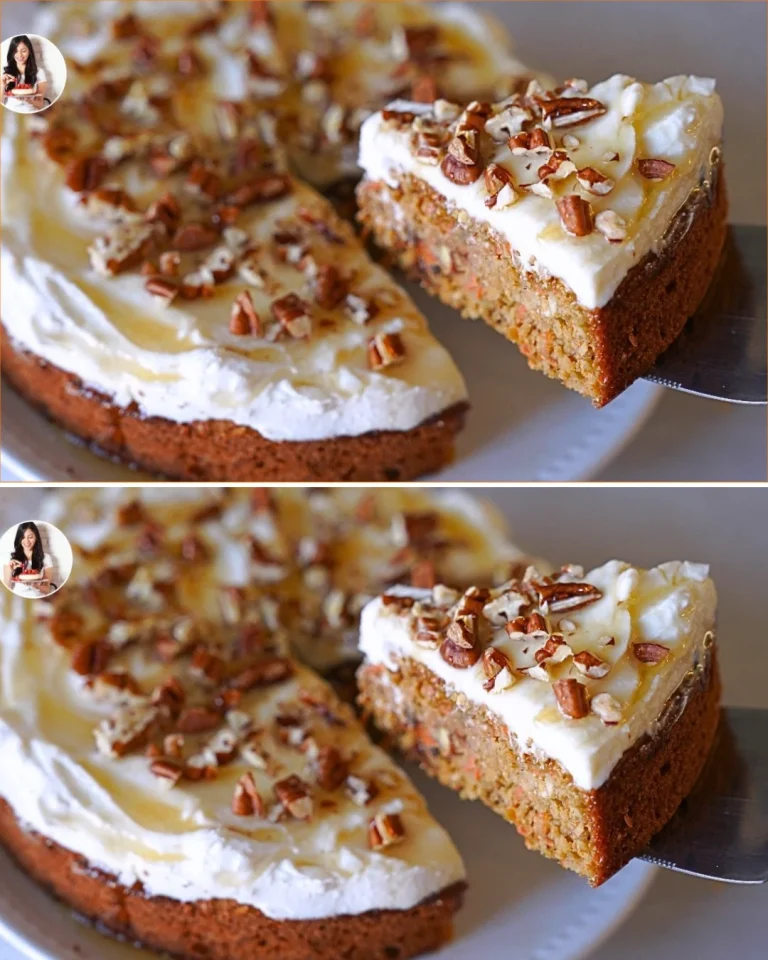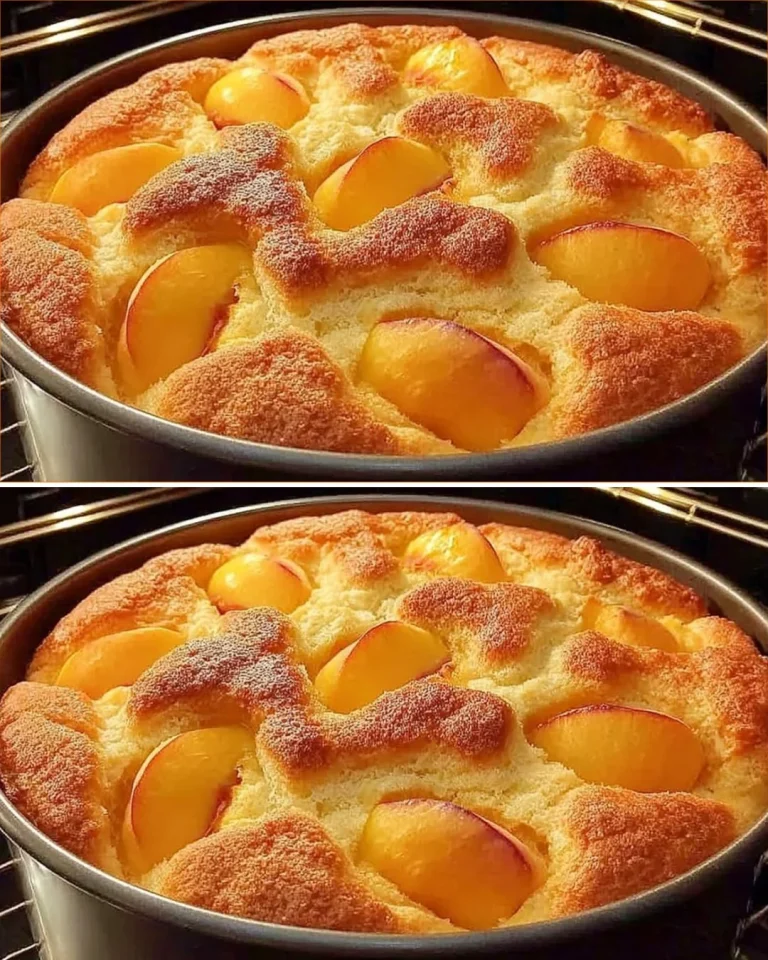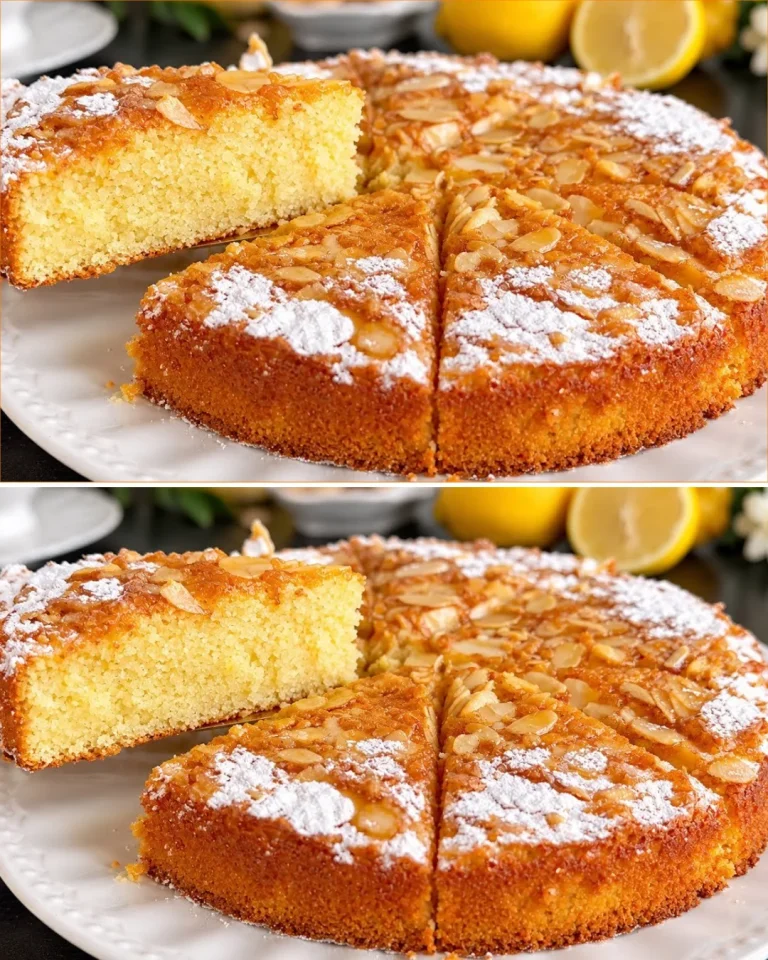
Old-school bakery coconut cake has a way of disappearing fast—soft crumb, that nostalgic vanilla-coconut aroma, and the signature syrup soak that keeps every bite moist for days. Lately it’s been trending again because it’s the kind of “simple pantry cake” people can make without pulling out a mixer, and it’s perfect for warmer months when you want something sweet that stays tender even after refrigeration.
I tested this version specifically using a blender (not a stand mixer), and the surprise was how plush the crumb stayed even with such a short mix time. The biggest improvement came from one small change: letting the cake cool slightly before adding warm (not hot) syrup. The soak went in evenly instead of pooling and turning the edges gummy.
Why You’ll Love This Recipe
- Blender batter: fast, no creaming, minimal cleanup
- Moist for days thanks to the vanilla syrup soak
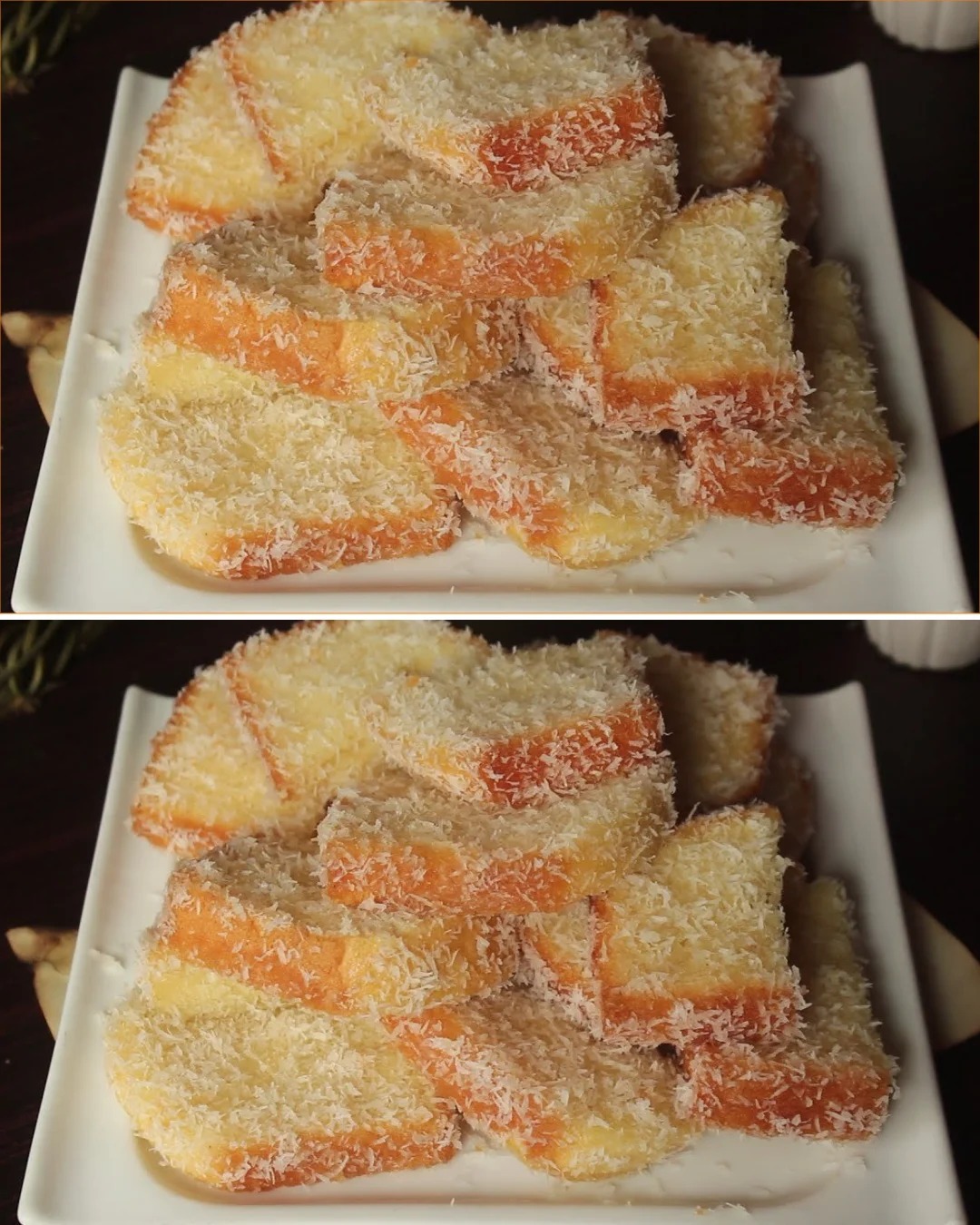
- Classic bakery-style coconut finish without complicated frosting
- Works well in a loaf pan or square pan (I tested both)
- Real-life win: the coconut coating hides imperfect slices and looks “bakery” instantly
Ingredients
For the cake
- 3 large eggs (about 150 g without shells)
- 1/2 cup (100 g) granulated sugar
- 1/2 cup (120 ml) neutral oil (canola, sunflower, or light olive oil)
- 1 teaspoon (5 ml) vanilla extract (or vanilla essence)
- 1 cup (125 g) all-purpose flour
- 2 tablespoons (12–14 g) desiccated coconut (fine, unsweetened)
- 1 teaspoon (4 g) baking powder
- 1/2 cup (120 ml) water
For the syrup
- 1/2 cup (100 g) granulated sugar
- 1/2 cup (120 ml) water
- Optional: 1/4 teaspoon vanilla extract (adds a “bakery” aroma)
For coating
- 1/2 to 3/4 cup (35–55 g) desiccated coconut, as needed (for rolling/finishing)
Ingredient Notes
- Eggs: Room-temperature eggs blend smoother and give a better rise. If yours are cold, set them in warm tap water for 5 minutes.
- Oil (not butter): Oil keeps the crumb tender even after chilling. Butter firms up more in the fridge.
- Desiccated coconut: Use fine desiccated coconut for the batter so it disappears into the crumb. Save the coarser texture for coating if you like more bite.
- Baking powder: Make sure it’s fresh. If it’s been open for months, the cake can bake up dense.
- Water in batter: This loosens the blender batter and helps prevent over-blending (which can make the cake tighter).
Kitchen Tools Needed
- Blender (standard or high-speed)
- 8.5 x 4.5-inch (22 x 11 cm) loaf pan or 8-inch (20 cm) square pan
- Parchment paper
- Mixing spoon or spatula
- Small saucepan (for syrup)
- Toothpick or skewer
- Cooling rack (helpful, not mandatory)
Step-by-Step Instructions
-
Preheat and prep the pan.
Heat oven to 350°F (175°C). Grease your loaf pan lightly with oil and line with parchment, leaving a little overhang for easy lifting. -
Blend the wet ingredients.
Add eggs, sugar, oil, and vanilla to the blender. Blend on medium for 30–40 seconds, until the mixture looks lighter and slightly foamy. -
Add dry ingredients and water.
Add flour, 2 tablespoons desiccated coconut, baking powder, and water. Pulse or blend on low just until smooth, 10–15 seconds.
You’re looking for a pourable batter with no dry flour pockets. Don’t keep blending once it’s smooth. -
Bake.
Pour batter into the pan and tap the pan on the counter 2–3 times to pop large air bubbles.
Bake 40–50 minutes (loaf pans often need closer to 45–50). The top should be golden, and a toothpick inserted in the center should come out clean or with a few moist crumbs (not wet batter). -
Make the syrup while the cake bakes.
In a small saucepan, combine 1/2 cup sugar and 1/2 cup water. Heat over low to medium, stirring until the sugar dissolves.
Simmer 3–5 minutes until it looks slightly glossy (no need for a thick caramel-like syrup). Turn off heat. Stir in optional vanilla. -
Cool briefly, then soak.
Let the baked cake rest in the pan for 10 minutes. Poke the top all over with a skewer (this helps the syrup absorb evenly).
Warm the syrup if needed so it’s warm—not boiling hot—then slowly pour it over the cake in stages, letting it soak in between pours. -
Cool completely and slice.
Let the cake cool fully (at least 60 minutes) so it slices cleanly. Lift out using parchment and cut into slices or squares. -
Coat with coconut.
Roll or sprinkle each piece with desiccated coconut. For best coverage, lightly press the coconut onto the syrup-kissed sides.
Pro Tips (VERY IMPORTANT FOR RANKING)
- Stop blending as soon as the flour disappears. On my first test, I blended “just in case,” and the loaf turned slightly tight. Short mixing keeps it tender.
- Bake 3 extra minutes if the center looks pale. This cake can look done on top before the middle sets. If the toothpick shows wet batter, give it 3–5 more minutes and recheck.
- Use warm syrup, not piping hot. Hot syrup can make the edges a little gummy. Warm syrup absorbs evenly and keeps the crumb plush.
- Poke deeper than you think. I aim the skewer almost to the bottom—otherwise the syrup sits near the top and the base tastes plain.
- Let it cool fully before coating. If you coat while warm, the coconut can clump and look patchy instead of evenly snowy.
Common Mistakes to Avoid
- Overfilling a small loaf pan. If your pan is smaller than 8.5 x 4.5 in (22 x 11 cm), use an 8-inch (20 cm) square pan or you risk overflow.
- Pouring syrup on a ripping-hot cake. I did this once and the sides got slightly sticky-heavy instead of evenly soaked.
- Overbaking to “dry” it out before syrup. The syrup is meant to soak a tender crumb—overbaking makes it crumbly and the texture never fully recovers.
- Skipping parchment. This is a syrup-soaked cake; parchment prevents sticking and messy lifting.
Variations
- Lemon-coconut: Add 1 teaspoon (2 g) lemon zest to the batter and replace 2 tablespoons (30 ml) of syrup water with lemon juice.
- Cardamom bakery style: Add 1/2 teaspoon ground cardamom to the batter for a traditional bakery fragrance.
- Coconut milk swap: Replace the 1/2 cup (120 ml) water in the batter with 1/2 cup (120 ml) coconut milk for a richer coconut flavor.
- Toasted coconut finish: Toast the coating coconut in a dry pan until pale golden for a nuttier topping (cool before using).
Serving Suggestions
Serve this cake slightly cool or at room temperature with tea or coffee. For a more “dessert” feel, pair with lightly sweetened whipped cream or a spoon of tangy yogurt. If you’re serving guests, slice cleanly, then coat the cut sides with coconut right before plating for the freshest look.
Storage Instructions
- Room temperature: Store airtight for up to 2 days (cool kitchen only).
- Refrigerator: Up to 5 days in an airtight container. The syrup keeps it from drying out.
- Freezer: Wrap slices individually and freeze up to 2 months. Thaw overnight in the fridge.
Reheating Tips
For a just-baked feel, warm slices in the microwave 10–15 seconds. If refrigerated, let the slice sit out for 10 minutes first, then warm briefly—overheating can make the syrupy edges sticky.
Nutrition Estimate
Per serving (1 of 10):
Calories: ~230 kcal
Protein: ~4 g
Carbs: ~28 g
Fat: ~11 g
(Estimate will vary by slice size and coconut coating amount.)
Recipe Summary Card
- Prep Time: 10 minutes
- Cook Time: 40–50 minutes
- Total Time: 1 hour 10 minutes (including cooling/soak time)
- Servings: 10
- Cuisine: Bakery-style / Fusion
- Course: Dessert, Tea cake
- Calories: ~230 per serving
Frequently Asked Questions
1) Can I make this cake without a blender?
Yes. Whisk the eggs, sugar, oil, and vanilla until slightly foamy, then stir in the dry ingredients and water just until smooth.
2) Why did my cake sink in the middle?
Most often it’s underbaked or the oven door was opened too early. Check at 40 minutes, but don’t pull it until the center tests clean.
3) Can I reduce the syrup sugar?
You can drop it to 1/3 cup (65–70 g) sugar for a lighter soak, but the “old bakery” texture is best with the full syrup.
4) What pan works best?
A standard loaf pan gives that classic bakery slice. An 8-inch (20 cm) square pan bakes a little faster (start checking around 35–38 minutes).
5) Is desiccated coconut the same as shredded coconut?
Not exactly. Desiccated coconut is finer and drier. If using shredded coconut, chop it slightly for the batter so it blends into the crumb.
Conclusion
This is the kind of cake that earns a permanent spot in your “easy but impressive” file—simple blender batter, reliable bake, and that signature syrup-soaked softness that tastes like it came from a neighborhood bakery. Once you try the warm-syrup timing, it’s hard to go back.
Tested Note (VERY IMPORTANT)
I tested this twice and got the best texture when I cooled the cake for 10 minutes before soaking with warm syrup. On the second test, baking 3 extra minutes gave me cleaner slices without drying the crumb.
Coconut Cake
A soft, moist coconut cake soaked in a warm vanilla syrup, perfect for warmer months and simple enough to make without a mixer.
For the cake
- 3 large large eggs (About 150 g without shells)
- 1/2 cup granulated sugar
- 1/2 cup neutral oil (canola, sunflower, or light olive oil)
- 1 teaspoon vanilla extract (or vanilla essence) ((5 ml))
- 1 cup all-purpose flour ((125 g))
- 2 tablespoons desiccated coconut (fine, unsweetened) ((12–14 g))
- 1 teaspoon baking powder ((4 g))
- 1/2 cup water ((120 ml))
For the syrup
- 1/2 cup granulated sugar ((100 g))
- 1/2 cup water ((120 ml))
- 1/4 teaspoon vanilla extract ((optional; adds a “bakery” aroma))
For coating
- 1/2 to 3/4 cup desiccated coconut ((35–55 g, as needed for rolling/finishing))
Preparation
- Preheat oven to 350°F (175°C). Grease your loaf pan lightly with oil and line with parchment.
- Add eggs, sugar, oil, and vanilla to the blender. Blend on medium for 30–40 seconds.
- Add flour, 2 tablespoons desiccated coconut, baking powder, and water. Pulse or blend on low just until smooth.
Baking
- Pour batter into the pan and bake for 40–50 minutes until golden and a toothpick comes out clean.
- Make the syrup in a small saucepan while the cake bakes.
Soaking and Cooling
- Let the baked cake rest in the pan for 10 minutes and poke the top with a skewer.
- Pour the warm syrup over the cake in stages and let it soak in.
- Cool completely (at least 60 minutes) before slicing.
- Roll or sprinkle each piece with desiccated coconut.
Use room-temperature eggs for a smoother batter and a better rise. Ensure baking powder is fresh to avoid dense cake. Store airtight for up to 2 days or refrigerate for up to 5 days.