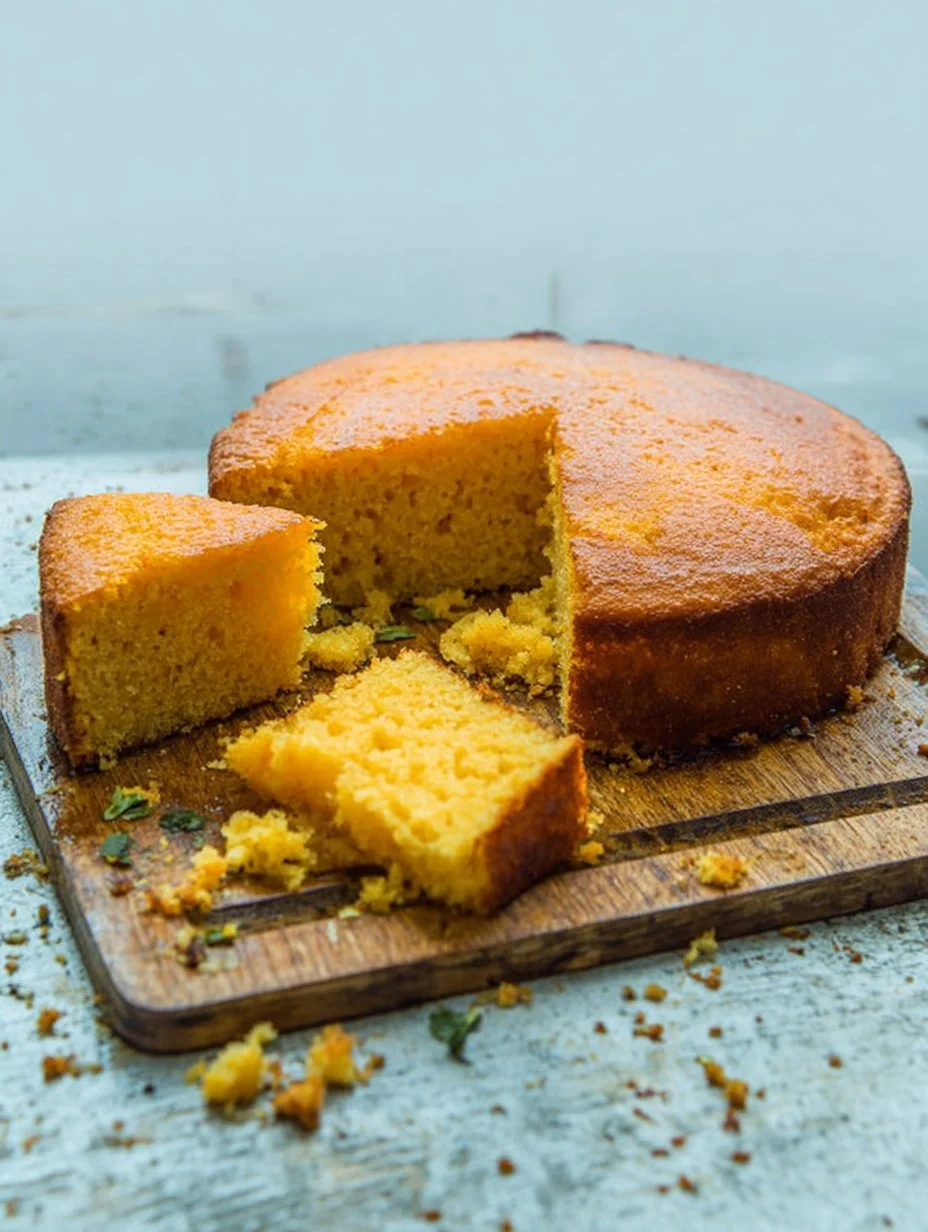
Egyptian bread, known as “baladi” bread, is a staple food in Egypt and the surrounding regions. Often characterized by its round shape and flat, airy texture, this traditional bread has a rich history and is enjoyed by many. However, for individuals with gluten sensitivities or celiac disease, the presence of gluten in various bread types raises an important question: Is there gluten in Egyptian bread?
Understanding Gluten
Gluten is a protein found in wheat and related grains such as barley and rye. It gives dough its elasticity and helps bread rise and maintain its shape. Consequently, gluten is a common ingredient in many breads around the world.
What is Egyptian Bread Made Of?
Traditional Egyptian bread, or baladi, is typically made from whole wheat flour. Whole wheat flour inherently contains gluten because it is derived from wheat grains. This essential protein allows the bread to achieve its desired texture and structure. Therefore, if you are consuming traditional baladi bread, it is likely to contain gluten.
Gluten-Free Alternatives
For those who need to avoid gluten, there are alternatives available. Some bakeries offer gluten-free versions of Egyptian bread made with flours like rice flour, almond flour, or chickpea flour. These variations can provide a similar taste and texture and expand the options for those with dietary restrictions.
Making Your Own Gluten-Free Egyptian Bread
If you prefer a homemade option or can’t find gluten-free baladi in stores, consider making your own. Here is a simple gluten-free Egyptian bread recipe:
Ingredients:
- 2 cups gluten-free flour blend
- 1 teaspoon baking powder
- 1/2 teaspoon salt
- 1 tablespoon olive oil
- 3/4 cup warm water (adjust as needed)
Instructions:
- Mix Dry Ingredients: In a mixing bowl, combine the gluten-free flour blend, baking powder, and salt.
- Add Wet Ingredients: Pour in the olive oil and warm water, stirring until a dough forms. If it’s too dry, add a bit more water.
- Knead: On a lightly floured surface, knead the dough gently for a minute until smooth.
- Shape: Divide the dough into balls and flatten them into discs.
- Cook: Heat a skillet over medium heat and cook each disc for about 3-4 minutes on each side, or until golden brown and cooked through.
- Serve: Enjoy your gluten-free Egyptian bread warm with your favorite dips or dishes!
Conclusion
In conclusion, traditional Egyptian bread does indeed contain gluten, as it is typically made from wheat flour. However, for those with gluten sensitivities or celiac disease, there are gluten-free alternatives and recipes available. Whether you choose to indulge in traditional baladi or explore gluten-free options, Egyptian bread remains a profound part of the culinary scene, reflecting the country’s rich heritage and flavors.
Final Thoughts
It is essential to be aware of gluten content in foods, especially for those with dietary restrictions. As awareness grows, so do the options for people with gluten sensitivities, making it easier to enjoy various cuisines without compromise. Always check with your local bakeries or try making your own gluten-free versions to enjoy the delightful flavors of Egyptian bread safely.