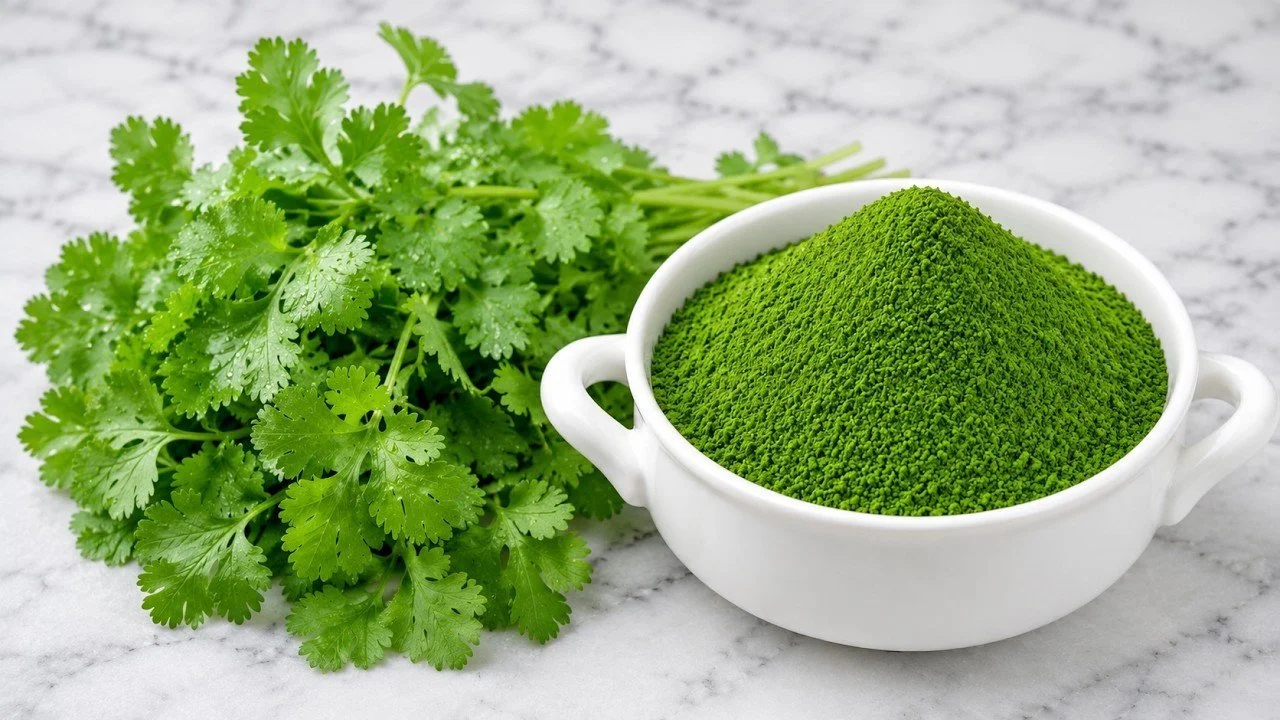
Cilantro is one of those herbs that can go from perky to limp overnight, and it’s frustrating when you buy a bunch for one recipe and lose the rest. This simple storage “recipe” gives you three practical options—two for the fridge and one for drying—so you can keep cilantro usable for weeks (or longer) without turning it into a freezer brick. If you like cooking tacos, curries, soups, or fresh salsas, this will save you repeat grocery runs. Nutritionally, cilantro is very light and adds flavor without adding much else—great when you want brightness without heaviness. For more long-haul ideas, I also like this guide to keeping cilantro fresh for up to one year.
Why This Recipe Is Helpful
- Helps you stop wasting half-used cilantro bunches.
- Gives you a short-term and longer-term fridge method, plus a pantry-friendly dried option.
- Uses simple tools you already have (paper towel, container, plastic wrap).
Best For
Home cooks who buy cilantro often and want it ready for garnish, marinades, and quick weeknight meals.
Be Careful If
You’re sensitive to strong herb flavors—dried cilantro can taste more concentrated, so start small.
Ingredients
- 1 large bunch fresh cilantro (about 2 to 3 oz / 55 to 85 g)
- 2 to 3 sheets paper towel
- 1 food storage container with lid (about 1.5 to 2 qt / 1.5 to 2 L)
- Plastic wrap (about 2 to 3 ft / 60 to 90 cm)
- Cold water (for washing)
- Optional for drying: a pinch of salt (about 1/16 tsp / 0.3 g), only if you like a slightly seasoned herb powder
Ingredient Notes
- Use the freshest bunch you can; slimy stems or blackened leaves will shorten storage life fast.
- Paper towel should be just damp for fridge storage—wet towels encourage rot.
- A container that seals well reduces dehydration in the fridge.
- Drying works best with leaves that are fully dry before they go in the oven/air fryer.
Kitchen Tools Needed
- Salad spinner (optional but helpful)
- Paper towels
- Food storage container with lid
- Plastic wrap
- Oven or air fryer
- Baking sheet or air-fryer tray
- Grinder or mortar and pestle (for dried cilantro)
- Glass jar with tight lid (for dried cilantro)
Step-by-Step Instructions
-
Inspect the cilantro.
Spread the bunch out and remove any yellow, slimy, or bruised sprigs. Trim off any obviously mushy stem ends. -
Wash thoroughly.
Swish the cilantro in a large bowl of cold water (or rinse gently under cold running water), lifting it out so any grit stays behind. Repeat with fresh water if the bowl looks sandy. -
Dry it very well.
Shake off excess water, then pat dry with paper towels. If you have a salad spinner, spin it first, then do a final gentle pat-dry. Cilantro stores longer when it’s dry to the touch. -
Method A (best for ~10–14 days): Damp towel + container.
Lightly dampen 1–2 sheets of paper towel (it should feel cool and barely moist, not wet). Wrap just the stem ends/root area. Place the bunch (or a few smaller bunches) into a food storage container and close the lid.
Cue: Leaves should look dry; only the stems should have a touch of moisture protection. -
Method B (best for up to ~2 months): Tight plastic wrap bundle.
Lay the cilantro on plastic wrap and wrap it tightly, pressing out as much air as you can without crushing the leaves. Refrigerate.
Cue: A snug “log” with minimal air pockets slows dehydration. -
Method C (long-term pantry option): Dry into cilantro flakes/powder.
- Preheat oven to 200°F (95°C), or set an air fryer to 180°F (82°C).
- Spread cilantro in a single layer on a baking sheet/tray.
- Dry until crisp and crumbly, about 25–45 minutes in the oven or 10–20 minutes in an air fryer (timing varies a lot by machine and how dry the leaves were). Check often—once the leaves feel papery, they can go from dry to toasted quickly.
- Cool completely, then crumble by hand for flakes or grind in a grinder/mortar and pestle for powder.
- Store in a clean, dry glass jar with a tight lid, away from heat and light.
Cue: If it bends instead of snapping, it needs more time.
Pro Tips
- Drying is the make-or-break step: any leftover moisture leads to faster spoilage in the fridge and clumping in the jar.
- For the damp-towel method, re-dampen the towel lightly if it dries out (usually after several days).
- Don’t pack cilantro tightly in a container; a little breathing room prevents bruising.
- Keep cilantro toward the front of the fridge (not the coldest back corner) to reduce accidental freezing and blackened leaves.
Lighter Swaps
This is already a “light” kitchen prep method; the original ingredients and approach work best.
Common Mistakes
- Storing cilantro while it’s still wet, which causes slimy leaves within days.
- Using a soaking-wet paper towel instead of barely damp.
- Drying at too high a temperature, which makes it taste toasted and dull.
Serving Suggestions
Use fresh cilantro for finishing soups, tacos, rice bowls, and salads; use dried cilantro in rubs, beans, and marinades where it has time to rehydrate.
Storage Instructions
Refrigerate wrapped cilantro using Method A or B as directed. Store dried cilantro in a sealed glass jar in a cool, dark cabinet.
Reheating Tips
No reheating needed—add fresh cilantro at the end of cooking, and add dried cilantro earlier so it can soften and bloom.
Nutrition Estimate
Calories: 2
Protein: 0 g
Carbs: 0 g
Fat: 0 g
Values are estimates and may vary by ingredients and portion size.
Recipe Summary
Prep Time: 10 minutes
Cook Time: 0 minutes (fridge methods) or 10–45 minutes (drying)
Total Time: 10 minutes or up to 55 minutes
Servings: 1 bunch (about 10–12 garnish portions)
Cuisine: General
Course: Kitchen Prep
Calories: 2
Frequently Asked Questions
Can I store cilantro with the stems on?
Yes—stems help keep the bunch together and slow wilting. Just trim any mushy ends and dry the leaves well.
Why did my cilantro turn black in the fridge?
Usually it was too wet, too cold (partially frozen), or trapped with too much moisture. Pat it very dry and avoid the coldest spot in your fridge.
Is dried cilantro the same as fresh?
Not exactly. Dried cilantro is milder and more earthy; it’s best in cooked dishes, while fresh cilantro shines as a finishing herb.
Conclusion
Keeping cilantro fresh is mostly about controlling moisture and air. Pick the fridge method that matches how fast you cook, and dry the rest so none of that bunch goes to waste. Once you do this a couple times, it becomes a quick kitchen habit.