Almond flour has become increasingly popular in recent years, especially among those seeking gluten-free and healthier alternatives to traditional wheat flour. But what exactly is almond flour, what are its benefits, and how can you incorporate it into your cooking and baking? In this article, we’ll explore these questions and more.
What Is Almond Flour?
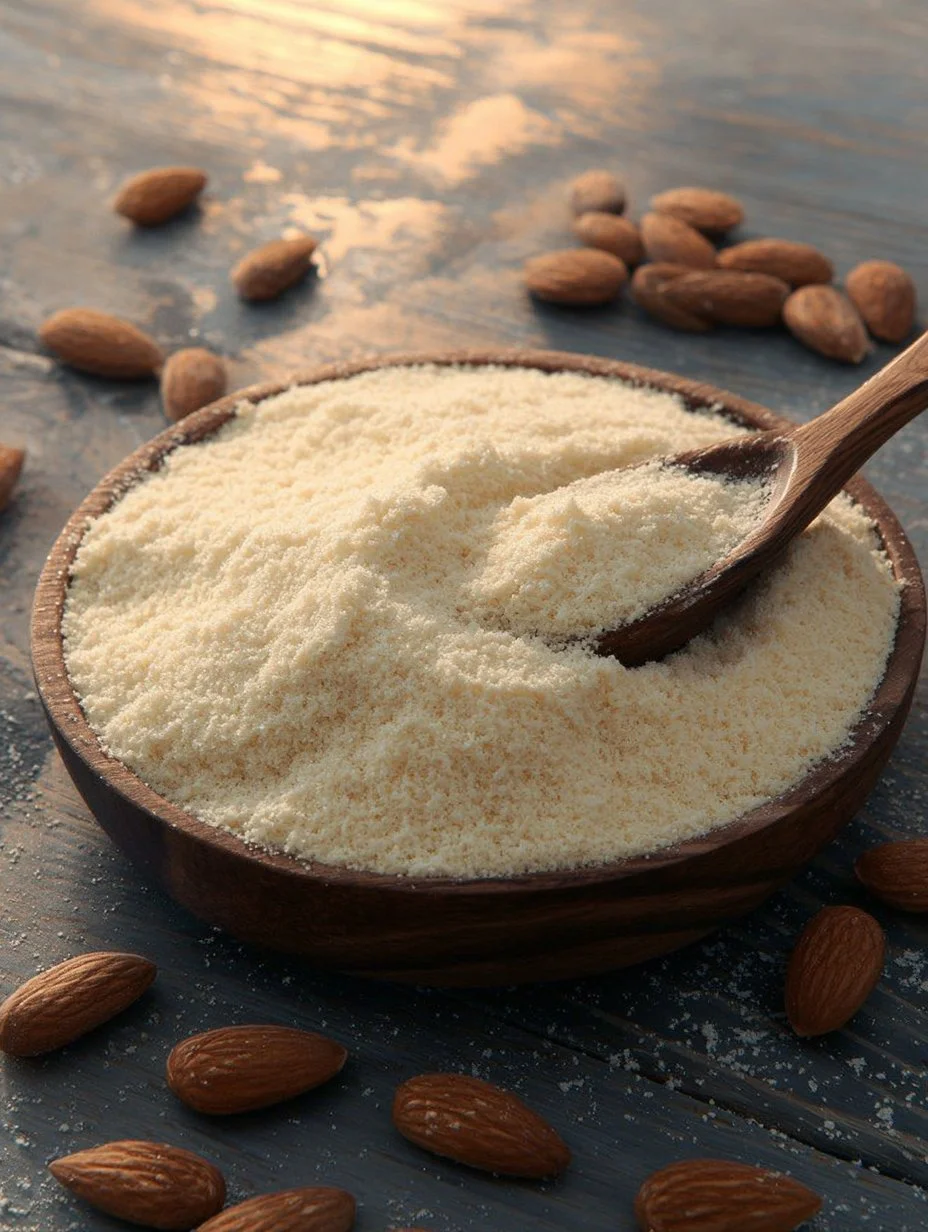
Almond flour is made by grinding blanched almonds into a fine powder. Unlike almond meal, which is made from whole almonds (skin included), almond flour has a lighter texture and is typically used in fine baked goods. Almond flour is a staple in many gluten-free and low-carb diets, making it an excellent alternative for those with specific dietary restrictions.
Benefits of Almond Flour
Almond flour is packed with nutrients and offers several health benefits:
1. Nutrient-Rich
Almond flour is rich in essential vitamins and minerals, including vitamin E, magnesium, and calcium. These nutrients contribute to overall health and wellness.
2. Gluten-Free
For individuals with celiac disease or gluten sensitivity, almond flour is a safe and versatile alternative to wheat flour, allowing for the enjoyment of baked goods without the adverse effects.
3. Low in Carbs
Almond flour is lower in carbohydrates than traditional wheat flour, making it an ideal choice for those following low-carb or ketogenic diets.
4. High in Protein
With a higher protein content compared to wheat flour, almond flour can help promote muscle health and keep you feeling fuller for longer.
5. Healthy Fats
Almonds are a source of healthy fats, particularly monounsaturated fats, which can support heart health and reduce inflammation.
How to Use Almond Flour in Recipes
Almond flour is incredibly versatile and can be used in a variety of dishes. Here are some ideas on how to incorporate it into your cooking and baking:
Baking
Almond flour can substitute wheat flour in many baked goods such as cookies, cakes, and muffins. When substituting almond flour for all-purpose flour, a general rule of thumb is to use 1 cup of almond flour for every 1 cup of wheat flour, although this may vary depending on the recipe. Additionally, due to its moisture content, you might want to reduce the overall liquid in the recipe slightly.
Bread and Pancakes
Almond flour is excellent for making gluten-free breads and pancakes. Combine it with eggs and a leavening agent to create fluffy pancakes or a loaf of bread that holds together nicely.
Coating and Breading
Instead of using breadcrumbs for coatings, almond flour can be used for frying or baking proteins and vegetables, providing a rich, nutty flavor and a crispy texture.
Smoothies and Energy Balls
Add almond flour to smoothies for a nutritional boost or use it in energy ball recipes to enhance protein content and provide a satisfying crunch.
Sauces and Thickeners
Use almond flour as a thickening agent for sauces or soups. Its nutty flavor can complement various dishes while also adding a creamy texture when blended.
Conclusion
Almond flour is not only a delicious and versatile alternative to wheat flour, but it also offers numerous health benefits that can enhance your overall diet. Whether you’re baking, cooking, or looking for creative ways to include healthier ingredients in your meals, almond flour is a fantastic option. Give it a try and enjoy the rich flavor and texture it brings to your favorite recipes!