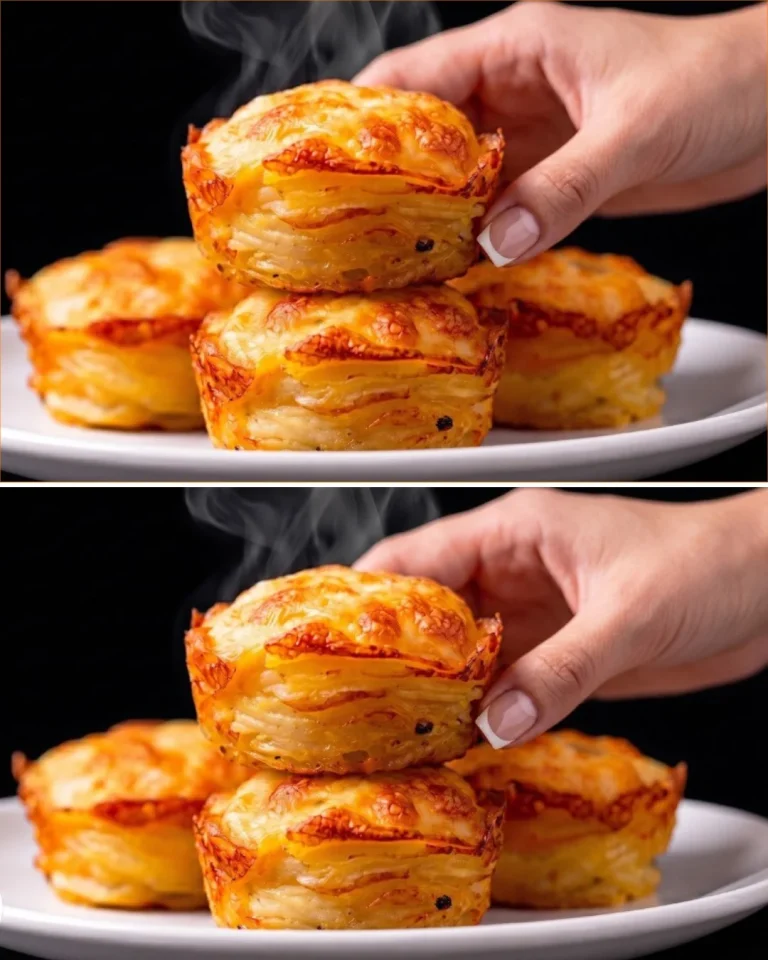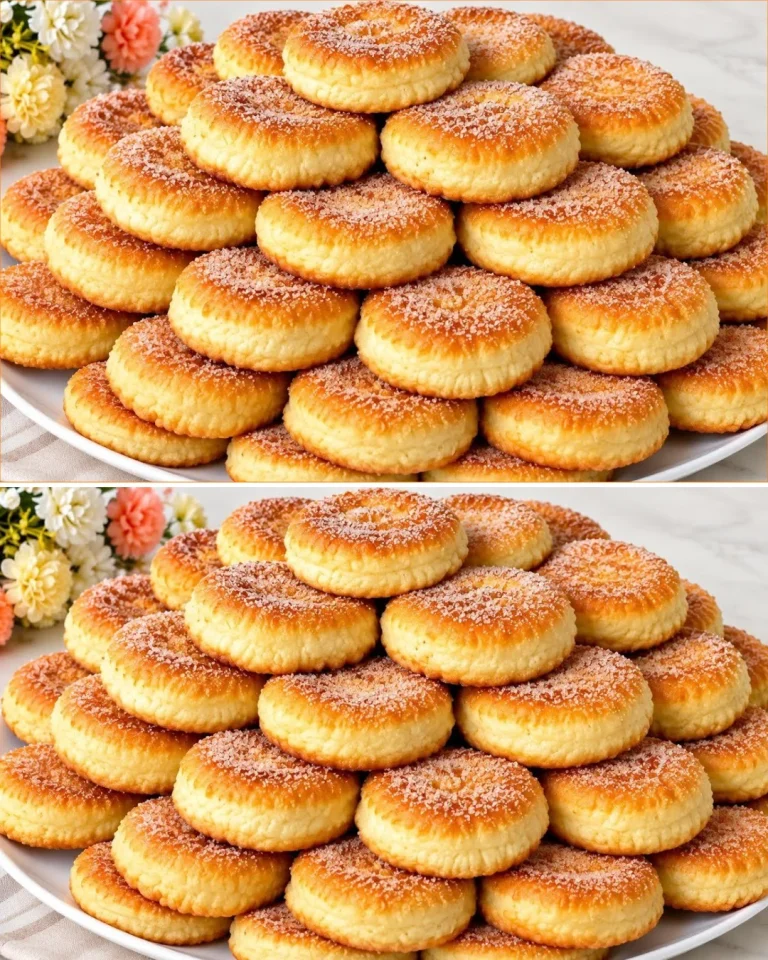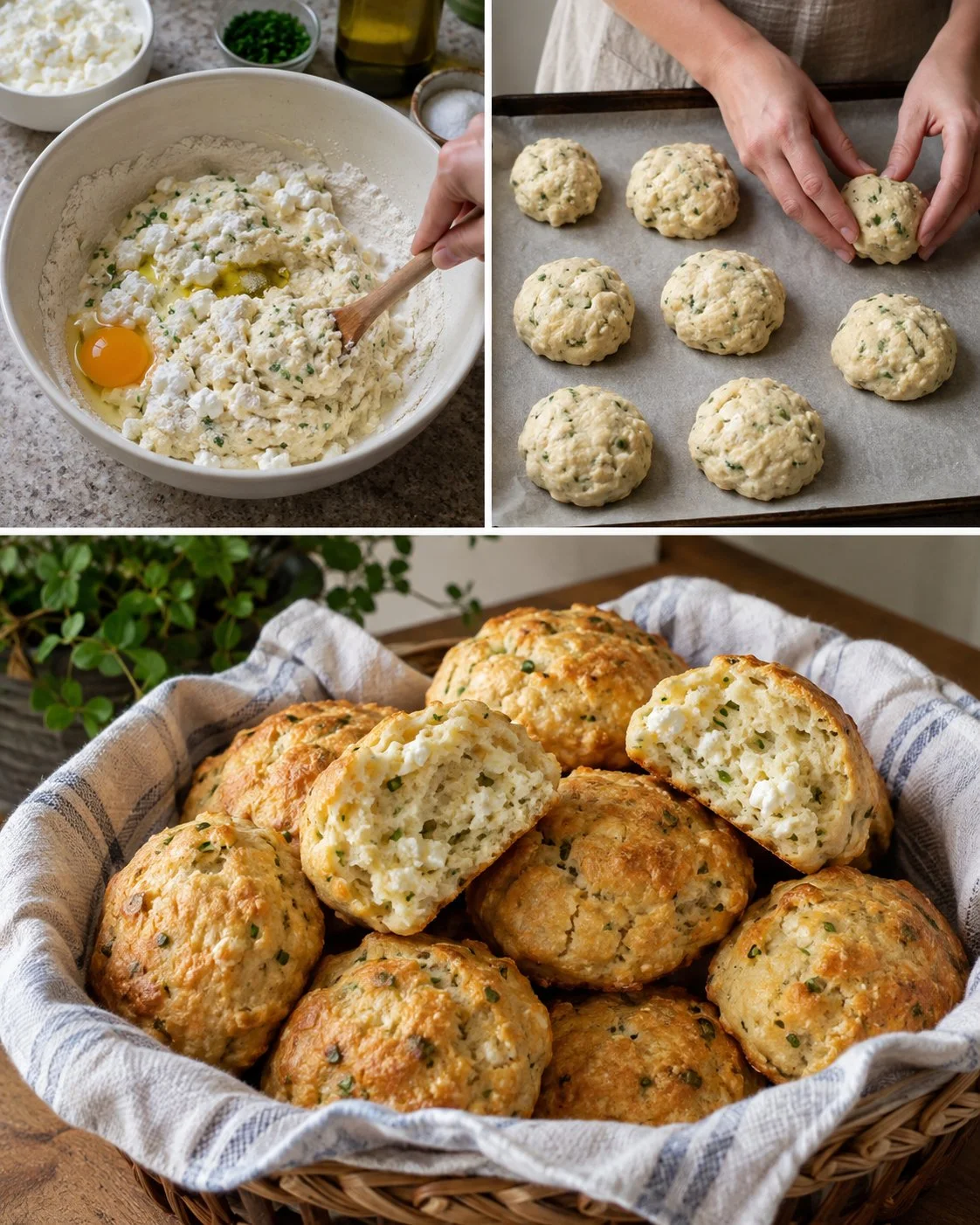
No-yeast rolls are a lifesaver when you want fresh, tender bread but don’t have time to wait for rising. These No-Yeast Cottage Cheese Herb Rolls come together quickly with simple ingredients you probably already have, making them perfect for breakfast, a snack, or alongside dinner. The addition of small-curd cottage cheese keeps the rolls moist and tender, while fresh herbs like chives or parsley add a subtle burst of flavor. The recipe is straightforward—no kneading or proofing required—which makes it wonderfully approachable for anyone who’s ever been intimidated by bread baking. If you like these, you might also enjoy a similar twist using cottage cheese in baked goods like cottage cheese and herb flatbread, offering another easy way to enjoy herb-infused, soft breads.
Why You’ll Love This Recipe
- Quick and easy with no yeast or rising time required.
- Soft, moist texture thanks to small-curd cottage cheese.
- Fresh herbs add flavor without overwhelming the palate.
- Perfect for those who want homemade bread with minimal fuss.
- Uses simple pantry ingredients, so it’s convenient any day of the week.
- A forgiving dough that’s easy to handle even for beginners.
Ingredients
- 2 cups (280 g) self-rising flour
- 1 1/2 cups (340 g) small-curd cottage cheese
- 1 large egg
- 2 tablespoons (8 g) chopped chives or parsley
- 1 tablespoon (15 ml) olive oil
- 1/2 teaspoon (3 g) salt
Ingredient Notes
Self-rising flour is key here as it already contains baking powder and salt, which helps the rolls rise without yeast. If you don’t have self-rising flour, you can make your own by mixing 2 cups all-purpose flour with 1 tablespoon baking powder and 1/2 teaspoon salt. Small-curd cottage cheese works best because it blends easily into the dough, keeping it tender; avoid large curds which can create uneven texture. Fresh chives or parsley brighten the flavor—dried herbs won’t give the same fresh note. Olive oil adds a subtle richness and pliability to the dough but can be swapped for melted butter if preferred.
Kitchen Tools Needed
- Mixing bowl
- Measuring cups and spoons
- Baking tray
- Parchment paper
- Spoon or spatula
- Oven thermometer (optional, but helps accuracy)
Step-by-Step Instructions
-
Preheat your oven to 400°F (200°C) and line a baking tray with parchment paper.
-
In a large mixing bowl, combine 2 cups self-rising flour, 1 1/2 cups small-curd cottage cheese, 1 large egg, 2 tablespoons chopped chives or parsley, 1 tablespoon olive oil, and 1/2 teaspoon salt. Stir everything together until a soft, slightly sticky dough forms.
-
Lightly flour your hands and divide the dough into 8 equal portions. Shape each into a rough roll—don’t worry about perfection here, slightly rustic shapes work well.
-
Arrange the rolls evenly spaced on the prepared tray.
-
Bake in the preheated oven for 18–22 minutes, or until the tops are puffed and golden brown. You’ll notice a fragrant herbal aroma as they bake.
-
Remove from the oven and let the rolls cool on the tray for at least 10 minutes before serving. This rest helps them set and finishes the texture nicely.
Pro Tips
- Don’t overmix the dough; stir just until combined to keep the rolls tender and avoid toughness.
- If your dough feels too sticky to shape, dust your hands lightly with flour but avoid adding too much to keep moisture balanced.
- Cool the rolls on the tray instead of a wire rack to prevent drying out the crust.
- For extra flavor, brush tops with a little olive oil after baking and sprinkle with a pinch of salt or extra herbs.
- Use an oven thermometer to ensure the temperature is steady at 400°F (200°C) for perfect browning.
- For a savory breakfast twist, pair these rolls with protein like in everything bagel cottage cheese rolls.
Common Mistakes
- Using large-curd cottage cheese can cause uneven texture and lumps in dough.
- Skipping parchment paper can cause sticking and ruin the bottom crust.
- Overbaking makes rolls dry and crumbly—watch closely after 18 minutes.
- Trying to shape the dough too precisely can remove air, resulting in dense rolls.
- Forgetting to cool before slicing may cause them to fall apart or become gummy inside.
Variations
- Swap fresh herbs for 2 teaspoons dried mixed herbs if fresh aren’t available.
- Add 1/4 cup (40 g) grated cheese (cheddar or parmesan) for a cheesy flavor boost.
- Mix in 1/2 teaspoon garlic powder for a more savory roll.
- Replace olive oil with melted butter for a richer taste.
- Fold in finely chopped sun-dried tomatoes for an Italian twist.
Serving Suggestions
These rolls are delicious warm, spread with butter or cream cheese for breakfast or brunch. They complement soups, stews, and salads beautifully as a satisfying side. For sandwiches, slice them in half and toast lightly. Their subtle herb flavor enhances simple fillings like ham and cheese or roasted vegetables.
Storage Instructions
Store leftover rolls in an airtight container or resealable plastic bag at room temperature for up to 2 days. For longer storage, freeze them cooled and wrapped in foil or plastic wrap, then place in a freezer bag for up to 3 months.
Reheating Tips
To enjoy rolls fresh again, reheat in a 350°F (180°C) oven for 8–10 minutes until warmed through and slightly crisp on the outside. Avoid microwaving, as this can make them gummy.
Nutrition Estimate
Per roll (1 of 8):
Calories: 140
Protein: 8 g
Carbohydrates: 18 g
Fat: 4.5 g
Recipe Summary
Prep Time: 10 minutes
Cook Time: 18–22 minutes
Total Time: 30 minutes
Servings: 8 rolls
Cuisine: American
Course: Breakfast / Snack / Side
Calories: 140 per roll
Frequently Asked Questions
Can I use regular flour instead of self-rising?
Yes, but add 1 tablespoon baking powder and 1/2 teaspoon salt per 2 cups of all-purpose flour to mimic self-rising flour.
Can I substitute other herbs for chives or parsley?
Definitely! Dill, thyme, or basil all work well, depending on your flavor preference.
Can I make this dough ahead of time?
You can prepare the dough and refrigerate it for up to 8 hours before shaping and baking. Bring it to room temperature first for best results.
Are these rolls good for sandwiches?
Yes, their soft but sturdy texture makes them great sandwich rolls, especially for lighter fillings.
Is cottage cheese the best dairy for this recipe?
Small-curd cottage cheese blends best, but ricotta can be a decent substitute in a pinch for a slightly different texture.
These no-yeast cottage cheese herb rolls are a simple, reliable recipe that delivers soft, flavorful bread with minimal effort. They’re an easy way to enjoy homemade bread anytime without the wait, and their mild herb flavor suits many meals and occasions perfectly.