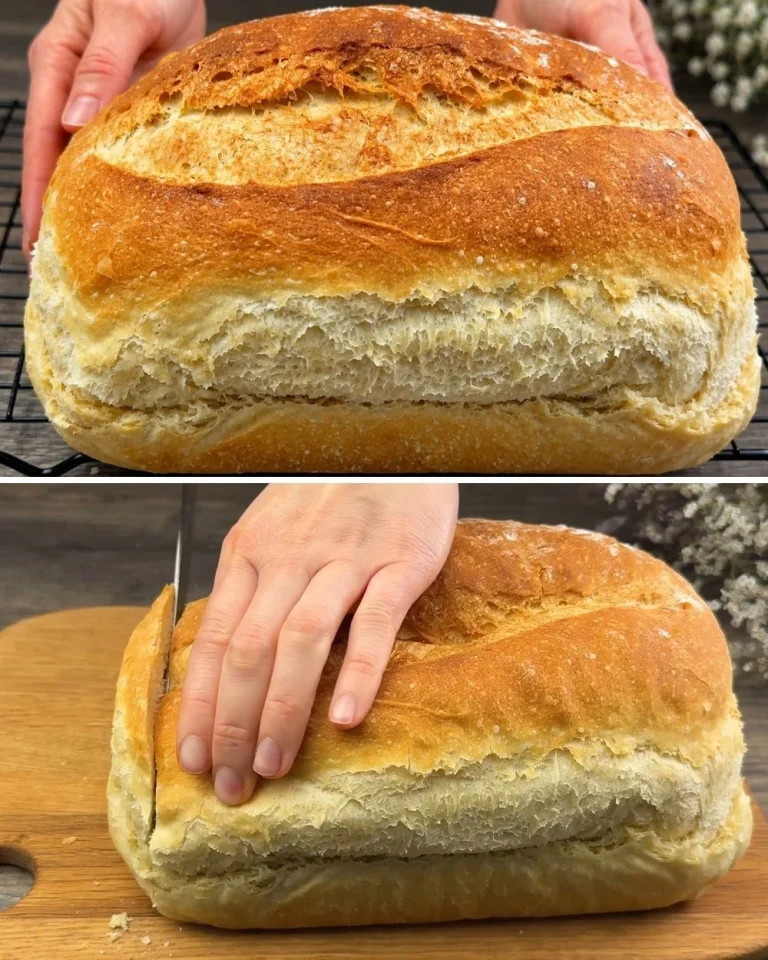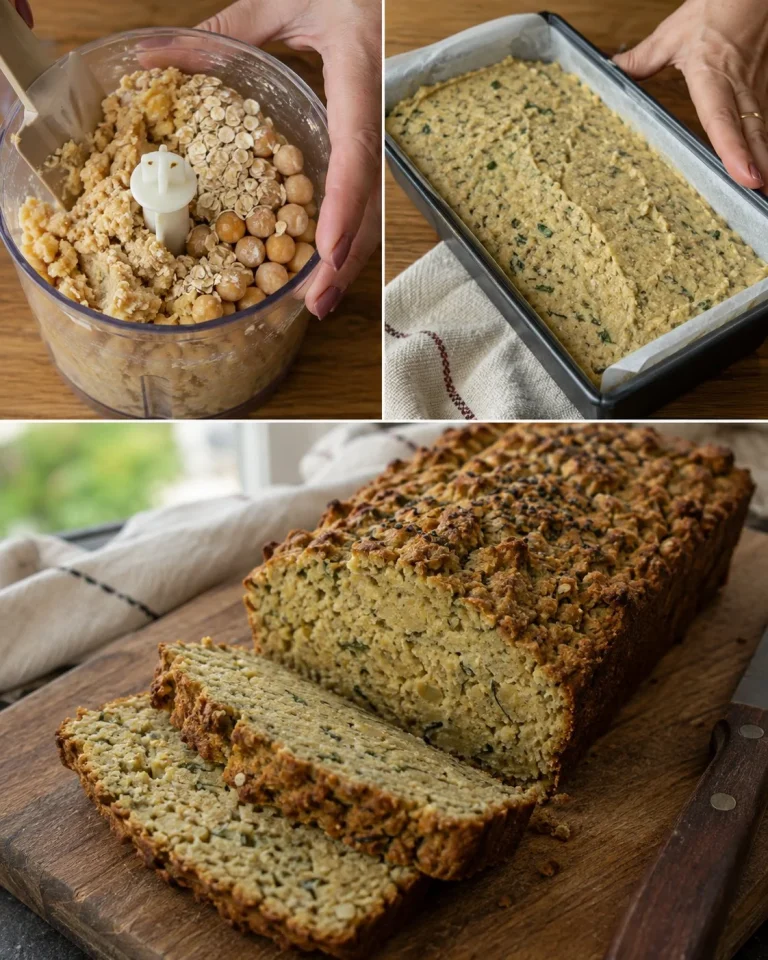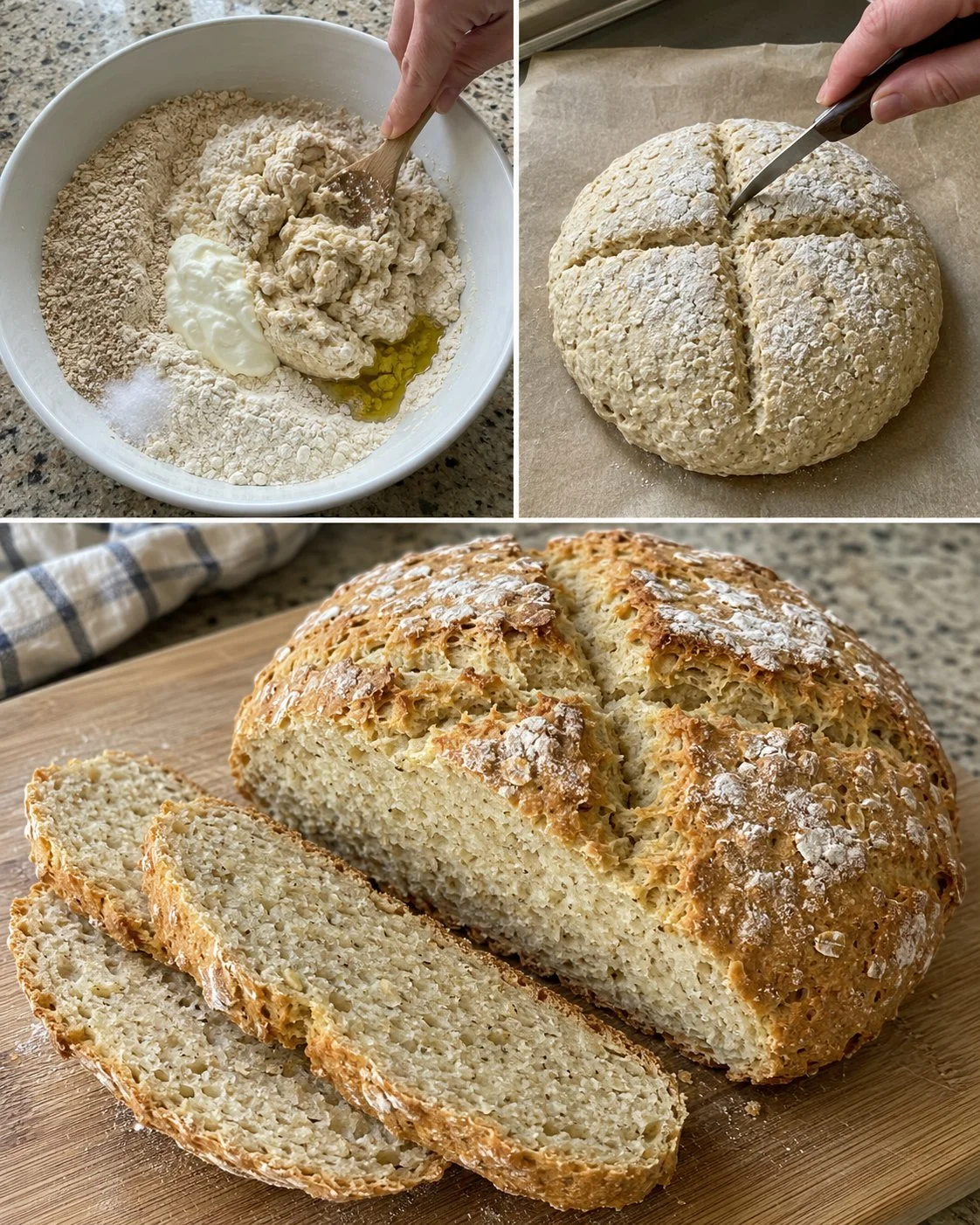
Baking a wholesome loaf of bread can feel like a rewarding weekend project, but it’s even better when it’s simple, quick, and uses pantry staples. This 5-Ingredient Yogurt Oat Soda Bread strikes just that balance—easy enough for a busy day yet hearty and packed with flavor. Combining oat flour with self-rising flour and tangy Greek yogurt creates a moist crumb with a lovely rustic texture. The olive oil brushed on top gives it a beautiful golden crust that’s irresistible. What’s more, this recipe doesn’t require any yeast or rising time, making it a practical choice when you want fresh bread without the wait. If you love baked goods with a wholesome twist, you might also enjoy exploring this healthy oat and yogurt bread, which brings similar comforting flavors in a different format.
Why You’ll Love This Recipe
- Requires only five simple ingredients that are often already in your kitchen
- No yeast or proofing time needed—ready in under an hour
- Oat flour adds fiber and a subtle nutty flavor, enhancing nutritional value
- Greek yogurt keeps the bread tender and moist without added fats
- Brushing with olive oil creates a crisp, golden crust with extra richness
- Light kneading ensures the bread stays soft and not tough, a small step that makes a big difference
Ingredients
- 1 cup (120 g) oat flour
- 2 cups (250 g) self-rising flour
- 1 ½ cups (360 ml) plain Greek yogurt
- 1 teaspoon (6 g) salt
- 1 tablespoon (15 ml) olive oil
Ingredient Notes
Oat flour lends a mild, nutty flavor and adds fiber, making this bread more wholesome than standard white loaves. If you can’t find oat flour, you can easily make your own by finely grinding rolled oats in a blender until powdery. The self-rising flour already contains baking powder and salt, but adding the extra teaspoon of salt ensures the flavor is balanced. Greek yogurt is key here: it works as the leavening partner with the self-rising flour, tenderizing the crumb while adding a slight tang. The olive oil is optional but highly recommended as it creates a lovely shiny crust and keeps the top from drying out during baking.
Kitchen Tools Needed
- Large mixing bowl
- Wooden spoon or spatula
- Baking tray
- Parchment paper
- Sharp knife
- Pastry brush
Step-by-Step Instructions
- Preheat your oven to 375°F (190°C) and line a baking tray with parchment paper. This prevents sticking and helps the bread brown evenly.
- In a large mixing bowl, combine the oat flour, self-rising flour, and salt. Stir well to distribute the salt and mix the flours together.
- Add the plain Greek yogurt to the dry ingredients. Using a wooden spoon or spatula, stir together until a rough dough starts to form. It will be a bit sticky but manageable.
- Turn the dough out onto a lightly floured surface and knead very gently just until the dough is combined and holds together—about 8 to 10 light presses and folds. Over-kneading can make the loaf tough, so keep it light.
- Shape the dough into a round loaf and place it on the lined baking tray. Using a sharp knife, cut a deep cross on top of the dough—this helps it bake evenly and looks traditional.
- Brush the entire surface generously with olive oil. This step is essential for a beautiful golden crust that doesn’t dry out in the oven.
- Bake for 38–45 minutes. The bread should be golden brown on top, and when you lift it, the bottom should sound hollow—both good signs that it’s fully baked.
- Remove from the oven and cool completely on a wire rack before slicing. This cooling allows the crumb to set, making slicing clean and easy.
Pro Tips
- Make sure your self-rising flour is fresh; old flour can lead to poor rise.
- Light kneading is crucial—too much pressure develops gluten, resulting in a dense loaf. Keep your hands gentle.
- For a slightly sweeter flavor, try adding a teaspoon of honey to the dough.
- Don’t skip the olive oil brush on top—it improves browning and crust texture noticeably.
- If oat flour isn’t available, adding up to ½ cup (60 g) of rolled oats for texture works, but you’ll want to reduce the self-rising flour accordingly.
Common Mistakes
- Overmixing or overkneading the dough can make it dense and chewy. Just combine until everything holds together.
- Not scoring the dough means it might bake unevenly or crack unpredictably on top.
- Baking at a too-high temperature can burn the crust before the inside cooks through. Stick to 375°F (190°C).
- Slicing the bread immediately after baking can squash the loaf as the crumb hasn’t set yet. Let it cool fully.
Variations
- Add a handful of chopped herbs like rosemary or thyme to the dry ingredients for a fragrant twist.
- Mix in a small cup (about ½ cup/60 g) of grated cheese for a savory boost.
- Swap olive oil for melted butter brushed on top if you prefer a richer crust.
- Stir in seeds such as pumpkin or sunflower for added crunch and nutrition.
Serving Suggestions
This bread is a perfect companion to soups, stews, or simply butter and jam for breakfast. It also makes delicious sandwiches or toast topped with avocado. Because it’s mild and slightly tangy, it pairs beautifully with both sweet and savory spreads.
Storage Instructions
Store leftovers wrapped tightly in plastic wrap or in an airtight container at room temperature for up to 3 days. For longer storage, slice the bread and freeze it in a zip-top bag for up to 2 months.
Reheating Tips
To revive the crust and warmth, toast slices in a toaster or warm in a 350°F (175°C) oven for 5–7 minutes. Avoid microwave reheating, which can make the bread rubbery.
Nutrition Estimate (per serving, assuming 8 slices)
- Calories: 170
- Protein: 7 g
- Carbohydrates: 28 g
- Fat: 4 g
Recipe Summary
- Prep Time: 10 minutes
- Cook Time: 40 minutes
- Total Time: 50 minutes
- Servings: 8
- Cuisine: British-inspired
- Course: Bread
- Calories: 170 per slice
Frequently Asked Questions
Can I use regular flour instead of self-rising flour?
You can, but you’ll need to add 2 teaspoons of baking powder and 1 teaspoon of salt to mimic self-rising flour’s leavening.
How do I make oat flour at home?
Simply grind rolled oats in a food processor or blender until fine and powdery—usually takes about 1 minute.
Can I use flavored or sweetened yogurt?
Plain Greek yogurt works best here to avoid adding sweetness or unwanted flavors.
Is this bread gluten-free?
No, self-rising flour contains wheat. For gluten-free, substitute with a self-rising gluten-free flour blend, but results may vary.
Why does the recipe call for olive oil on top?
The oil helps crisp up the crust and promotes even browning for an appealing finish.
If you enjoy simple bread recipes like this, consider trying a more rustic style, such as a quick 3-ingredient flatbread without yogurt. It’s another easy dough with versatile use and minimal ingredients.
Baking this 5-Ingredient Yogurt Oat Soda Bread is a straightforward way to enjoy fresh homemade bread with minimal fuss. The combination of oat flour and yogurt means you get a loaf that’s both tender and flavorful, perfect for any meal or snack. Once you’ve tried it, you might find it becomes a staple in your baking rotation.