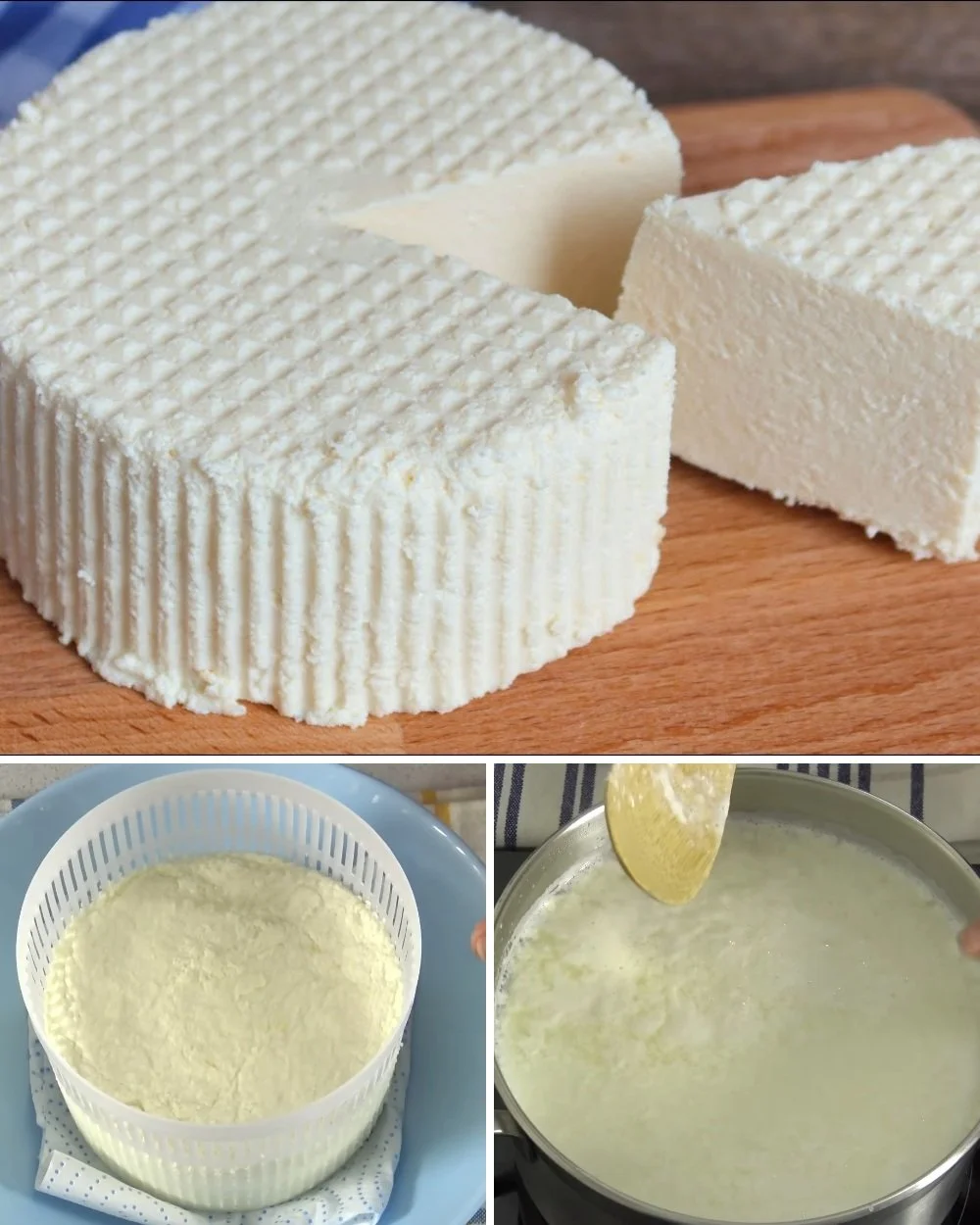
Making fresh cheese at home is surprisingly easy and rewarding. With just three ingredients, you can create a delicious product that adds a creamy touch to your recipes, enhances salads, or simply stands alone as a delightful snack. Whether you’re a novice cook or someone more experienced, this straightforward process can provide a fun diversion and a tasty result. Plus, homemade cheese often tastes fresher and more vibrant than store-bought varieties. You might find that once you make it, you can’t go back!
Why You’ll Love This Recipe
- Simple, few ingredients make it easy to whip up.
- Fresh cheese can be customized for various dishes.
- Healthier and tastier than many store-bought options.
- Perfect for using up milk before it expires.
- Great for entertaining or enjoying as a snack.
Ingredients
- 1 gallon (3.8 liters) whole milk
- 1/4 cup (60 ml) white vinegar
- 1 teaspoon (6 g) salt
Ingredient Notes
Using whole milk yields a creamier cheese. Feel free to experiment with different types of vinegar; while white vinegar gives a neutral flavor, apple cider vinegar can add a subtle sweetness. The salt enhances flavor and helps preserve the cheese, but you can adjust or omit it based on your preferences.
Kitchen Tools Needed
- Large pot
- Thermometer (optional but helpful)
- Colander
- Cheesecloth or fine mesh strainer
- Bowl
Step-by-Step Instructions
- In a large pot, heat the milk over medium heat. Stir occasionally to prevent scorching, and heat until it reaches about 200°F (93°C). You’ll see small bubbles forming.
- Remove the pot from heat. Gently stir in the white vinegar and allow the mixture to sit for 10 minutes. You’ll notice curds forming and separating from the whey.
- Line a colander with cheesecloth and place it over a large bowl to catch the whey. Carefully pour the curdled milk into the colander, straining out the liquid whey.
- Gather the corners of the cheesecloth and tie them together to form a bundle. Hang the bundle over the bowl to drain for 1-2 hours, depending on how firm you want your cheese.
- Once it has drained to your liking, transfer the cheese to a bowl. Knead in the salt until well incorporated. Taste and adjust as needed.
- Your fresh cheese is ready! Use it in salads, as a topping for crackers, or sweeten it with sugar, honey, or fruit for dessert.
- Store any leftovers in an airtight container in the refrigerator for up to one week.
Pro Tips
- Stir gently when adding the vinegar to avoid breaking up the curds too much.
- If the cheese is too soft, let it drain longer; if it’s too dry, reduce draining time.
- To infuse different flavors, try adding herbs or spices to the cheese while kneading in the salt.
- Make sure your equipment is clean to prevent off-flavors from developing.
Common Mistakes
- Heating the milk too quickly can cause it to scorch.
- Not allowing enough time for the curds to form may lead to a less distinct texture.
- Skipping the draining step or not hanging the cheese properly can result in a watery product.
Variations
- Herb-Infused: Add chopped fresh herbs like chives or basil before kneading the salt.
- Sweet Cheese: Mix in a bit of sugar and vanilla extract, then serve with fruits and nuts.
- Spiced Cheese: Mix in crushed red pepper, garlic powder, or smoked paprika for an exciting flavor boost.
- Creamy Cheese: For a richer variant, stir in some heavy cream before serving.
Serving Suggestions
Fresh cheese can be used in numerous ways. Spread it on crusty bread or crackers, dollop it atop salads, or use it as a filling in sandwiches. It’s also excellent in savory canapés or as a dessert with sweet toppings.
Storage Instructions
Store any leftover cheese in a sealed container in the refrigerator. It will keep well for up to one week. If you notice excess moisture, you can drain it off.
Reheating Tips
Reheating isn’t necessary for this fresh cheese, but if you want to warm it slightly, do so gently in a microwave or in a warm water bath.
Nutrition Estimate
Approximately 60 calories, 4 g protein, 1 g carbs, and 4 g fat per serving (based on a 1-ounce serving).
Recipe Summary
Prep Time: 10 minutes
Cook Time: 20 minutes
Total Time: 1 hour
Servings: About 16 ounces
Cuisine: Various
Course: Appetizer/Dessert
Calories: Approximately 60 per ounce
Frequently Asked Questions
Can I use low-fat milk?
Low-fat milk can be used, but the cheese will be less creamy and rich.
What can I do with the leftover whey?
Whey can be used in smoothies, pancakes, or even as a base for soups.
How can I ensure my cheese is safe to eat?
Make sure all your tools and containers are clean, and use fresh ingredients.
Can I freeze fresh cheese?
While it can be frozen, the texture may change. It’s best enjoyed fresh.
What if my cheese isn’t forming curds?
If curds do not form, your milk may not be fresh, or the temperature may not have reached high enough.
Making fresh cheese at home is an enjoyable and straightforward process that’s open to tweaks and personalization. Each batch can be unique, making it a perfect culinary adventure to suit your taste!
Fresh Cheese
Making fresh cheese at home is easy and rewarding, requiring just three ingredients. Enjoy it as a snack, in salads, or customize it for various dishes.
Main Ingredients
- 1 gallon whole milk (Using whole milk yields a creamier cheese.)
- 1/4 cup white vinegar (Feel free to experiment with different types of vinegar.)
- 1 teaspoon salt (Adjust or omit based on your preferences.)
Preparation
- In a large pot, heat the milk over medium heat. Stir occasionally to prevent scorching, and heat until it reaches about 200°F (93°C). You’ll see small bubbles forming.
- Remove the pot from heat. Gently stir in the white vinegar and allow the mixture to sit for 10 minutes. You’ll notice curds forming and separating from the whey.
- Line a colander with cheesecloth and place it over a large bowl to catch the whey. Carefully pour the curdled milk into the colander, straining out the liquid whey.
- Gather the corners of the cheesecloth and tie them together to form a bundle. Hang the bundle over the bowl to drain for 1-2 hours, depending on how firm you want your cheese.
- Once it has drained to your liking, transfer the cheese to a bowl. Knead in the salt until well incorporated. Taste and adjust as needed.
- Your fresh cheese is ready! Use it in salads, as a topping for crackers, or sweeten it with sugar, honey, or fruit for dessert.
Stir gently when adding the vinegar to avoid breaking up the curds too much. Store any leftovers in an airtight container in the refrigerator for up to one week. If the cheese is too soft, let it drain longer; if it’s too dry, reduce draining time. To infuse different flavors, try adding herbs or spices while kneading in the salt.
Fresh Cheese
Making fresh cheese at home is easy and rewarding, requiring just three ingredients. Enjoy it as a snack, in salads, or customize it for various dishes.
Main Ingredients
- 1 gallon whole milk (Using whole milk yields a creamier cheese.)
- 1/4 cup white vinegar (Feel free to experiment with different types of vinegar.)
- 1 teaspoon salt (Adjust or omit based on your preferences.)
Preparation
- In a large pot, heat the milk over medium heat. Stir occasionally to prevent scorching, and heat until it reaches about 200°F (93°C). You’ll see small bubbles forming.
- Remove the pot from heat. Gently stir in the white vinegar and allow the mixture to sit for 10 minutes. You’ll notice curds forming and separating from the whey.
- Line a colander with cheesecloth and place it over a large bowl to catch the whey. Carefully pour the curdled milk into the colander, straining out the liquid whey.
- Gather the corners of the cheesecloth and tie them together to form a bundle. Hang the bundle over the bowl to drain for 1-2 hours, depending on how firm you want your cheese.
- Once it has drained to your liking, transfer the cheese to a bowl. Knead in the salt until well incorporated. Taste and adjust as needed.
- Your fresh cheese is ready! Use it in salads, as a topping for crackers, or sweeten it with sugar, honey, or fruit for dessert.
Stir gently when adding the vinegar to avoid breaking up the curds too much. Store any leftovers in an airtight container in the refrigerator for up to one week. If the cheese is too soft, let it drain longer; if it’s too dry, reduce draining time. To infuse different flavors, try adding herbs or spices while kneading in the salt.