Making Greek yogurt at home is not just a rewarding kitchen project; it’s also surprisingly easy and economical. With just a few basic ingredients—milk and a bit of yogurt for culture—you can create rich, creamy yogurt that’s perfect for breakfast, snacks, or even as a base for dips and sauces. The taste is far superior to most store-bought versions, and you can control the thickness and flavor to your liking. Once you try it, you’ll wonder why you didn’t start making your own sooner. It’s a simple recipe that you can adapt to your preferences, and the satisfaction of enjoying something you made from scratch is hard to beat.
Why You’ll Love This Recipe
- Homemade Greek yogurt is creamier and richer than store-bought versions.
- You know exactly what’s in it—just milk and a bit of yogurt.
- It’s cost-effective; making your own can save you money in the long run.
- You can customize it with your favorite toppings or flavors.
- The fermentation process allows you to boost your gut health with probiotics.
Ingredients
- 1 liter whole milk (4 cups)
- 125 grams unsweetened natural yogurt (½ cup)
Optional for serving:
- Jam or fruit for decoration
Ingredient Notes
Using whole milk gives your yogurt the best creamy texture, but you can opt for 2% milk if you prefer something a bit lighter. Make sure the yogurt you use as a starter contains live cultures; this is crucial for successful fermentation. The jam is a nice touch for sweetness, but feel free to use fresh fruit or honey if that’s more your style.
Kitchen Tools Needed
- Saucepan
- Mixing bowl
- Whisk or spoon
- Measuring cups and spoons
- Container with a tight-fitting lid for fermentation
- Clean cotton cloth or cheesecloth
- Colander
Step-by-Step Instructions
- In a saucepan, heat the whole milk over medium heat until it reaches about 70 degrees Celsius (158 degrees Fahrenheit). If you don’t have a thermometer, you can test the temperature by dipping your pinky finger in; it should feel hot but not scalding.
- Take a small amount of the warm milk (about half a cup) and mix it with the unsweetened yogurt in a bowl until well combined. This helps to temper the yogurt.
- Gradually whisk the yogurt mixture back into the warm milk, stirring gently to combine without introducing too many air bubbles.
- Pour the mixture into a clean container or jar, close it tightly, and wrap it in a cloth to retain warmth. Let it sit in a warm, draft-free place overnight (approximately 8-12 hours) for fermentation.
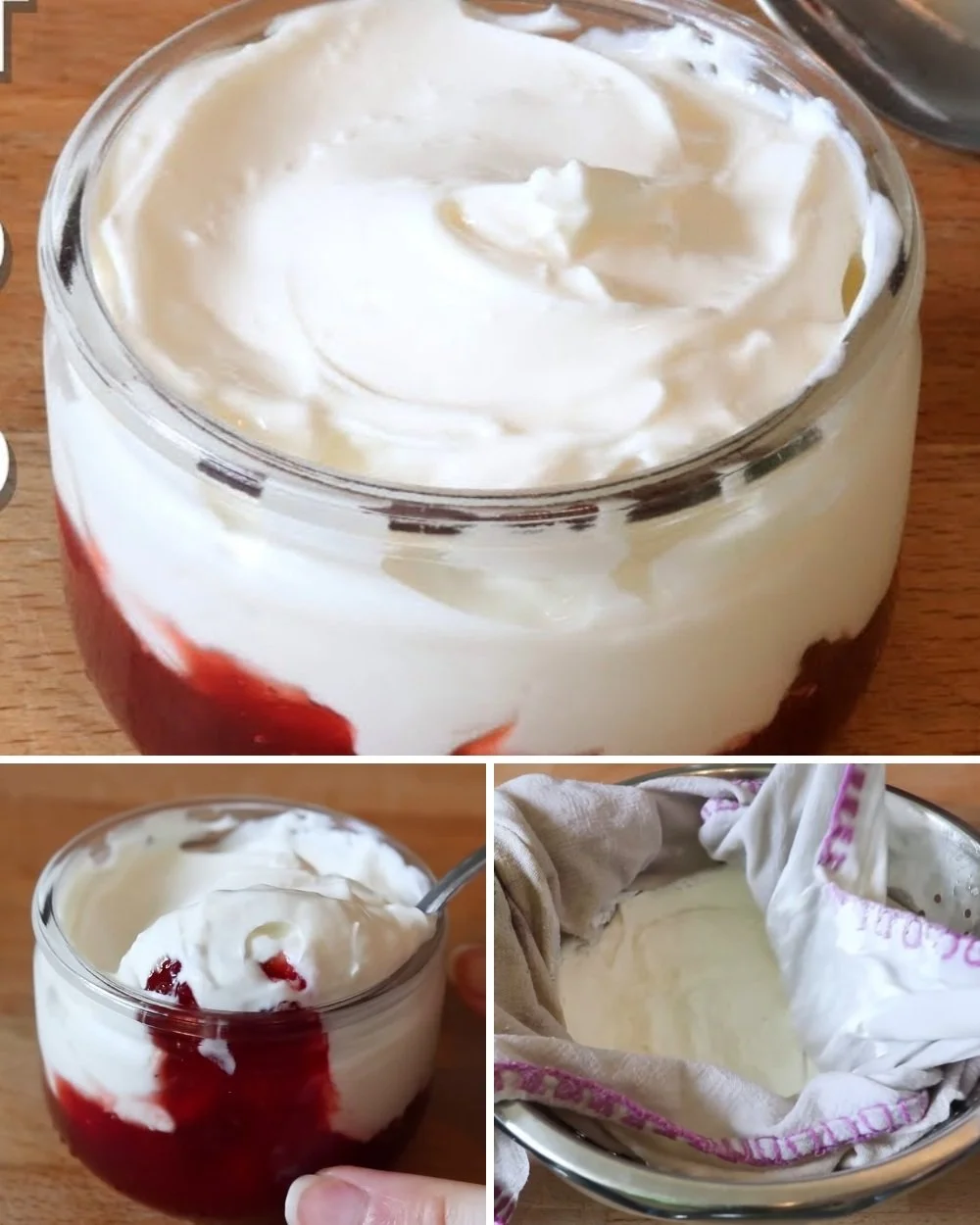
- After the yogurt has fermented, you’ll notice it’s thickened slightly. To achieve a thicker Greek yogurt consistency, strain it: place a colander over a bowl, line it with a clean cotton cloth, and pour in the yogurt. Let it strain in the refrigerator for another 6-8 hours or overnight.
- Once it has reached your desired thickness, discard the whey (the liquid that drains out). Give the yogurt a good stir before serving. Enjoy it plain or with your choice of toppings like jam or fresh fruit.
Pro Tips
- If your kitchen is cool, consider incubating the yogurt in the oven with the light on, which provides a slightly warmer environment for fermentation.
- Make sure all utensils and containers are sanitized before use to avoid introducing unwanted bacteria.
- Straining is optional; if you prefer a thinner yogurt, you can skip this step.
Common Mistakes
- Heating the milk too quickly can lead to scorched milk, which will affect the flavor. Slow and steady is key.
- Not properly wrapping the yogurt for fermentation can result in temperature fluctuations that hinder successful thickening.
- Using yogurt that doesn’t have live cultures will result in a failed batch; always check the label.
Variations
- Add a splash of vanilla extract to the milk before fermentation for a subtly sweet flavor.
- Stir in herbs like dill or garlic post-straining to create a savory dip.
- Mix in some pureed fruit or honey after fermentation for a deliciously flavored yogurt.
Serving Suggestions
Greek yogurt can be enjoyed plain, sweetened with honey, or topped with granola, nuts, or seasonal fruit. It also makes an excellent base for smoothies, dressings, and sauces.
Storage Instructions
Store the yogurt in an airtight container in the refrigerator for up to two weeks. The flavors may develop further over time, adding depth to your yogurt.
Reheating Tips
Greek yogurt is best enjoyed cold, so reheat if needed only by gently warming, not exceeding room temperature to maintain its creamy texture.
Nutrition Estimate
Approximate nutrition per serving (based on 1 cup serving):
- Calories: 150
- Protein: 8 g
- Carbohydrates: 10 g
- Fat: 8 g
Recipe Summary
Prep Time: 15 minutes
Cook Time: 0 minutes (fermentation time not included)
Total Time: 8-12 hours (includes fermentation)
Servings: 4
Cuisine: Greek
Course: Breakfast, Snack
Calories: 150
Frequently Asked Questions
Can I use low-fat milk?
Yes, using low-fat or skim milk will give you a lighter yogurt, but the creaminess won’t be as rich.
How do I know if my yogurt is fermented properly?
The yogurt should have thickened, and it will have a tangy aroma. If it smells off or looks unusual, it’s best to discard it.
Can I make yogurt with non-dairy milk?
Yes, you can use almond, coconut, or soy milk, but the process may require different cultures and adjustments for thickness.
What if my yogurt doesn’t thicken?
Temperature is key; if it’s too cool, it won’t thicken. Allow it extra time in a warm spot.
Making your homemade Greek yogurt is a fulfilling and delicious endeavor. Enjoy the process—and the delightful results!
Greek Yogurt
This easy recipe for homemade Greek yogurt uses just milk and a bit of yogurt as a starter, resulting in a creamy, delicious treat that you can customize to your liking.
Main Ingredients
- 1 liter whole milk (Using whole milk gives the best creamy texture.)
- 125 grams unsweetened natural yogurt (Make sure the yogurt contains live cultures.)
Optional Toppings
- Jam or fruit for decoration (Feel free to use fresh fruit or honey instead.)
Preparation
- In a saucepan, heat the whole milk over medium heat until it reaches about 70 degrees Celsius (158 degrees Fahrenheit).
- Take a small amount of the warm milk (about half a cup) and mix it with the unsweetened yogurt in a bowl until well combined.
- Gradually whisk the yogurt mixture back into the warm milk, stirring gently to combine.
- Pour the mixture into a clean container or jar, close it tightly, and wrap it in a cloth to retain warmth.
- Let it sit in a warm place overnight (approximately 8-12 hours) for fermentation.
Straining
- After fermentation, place a colander over a bowl and line it with a clean cotton cloth.
- Pour in the yogurt and let it strain in the refrigerator for another 6-8 hours or overnight.
- Discard the whey (the liquid that drains out) and stir the yogurt before serving.
Straining is optional; if you prefer a thinner yogurt, skip the straining step. Ensure all utensils and containers are sanitized before use to avoid unwanted bacteria.