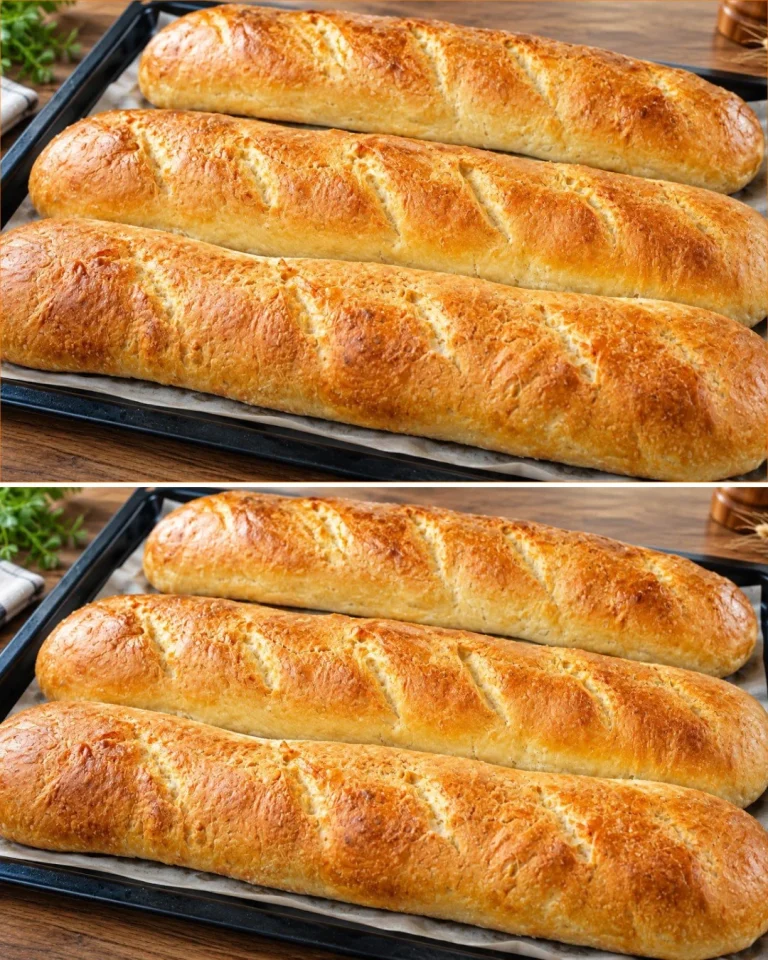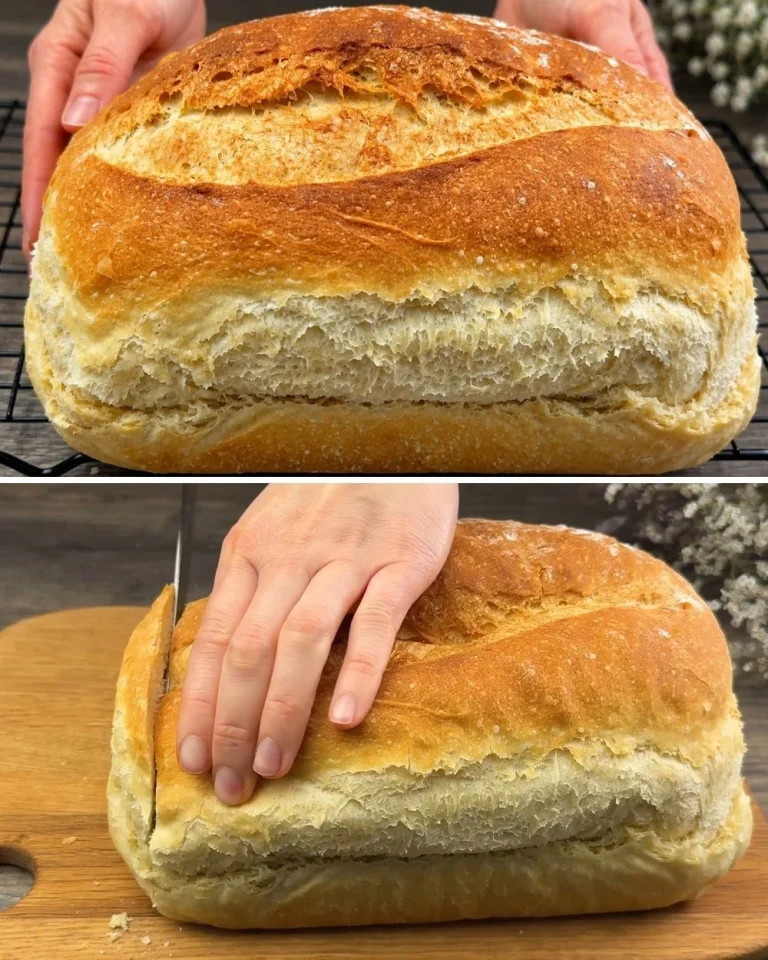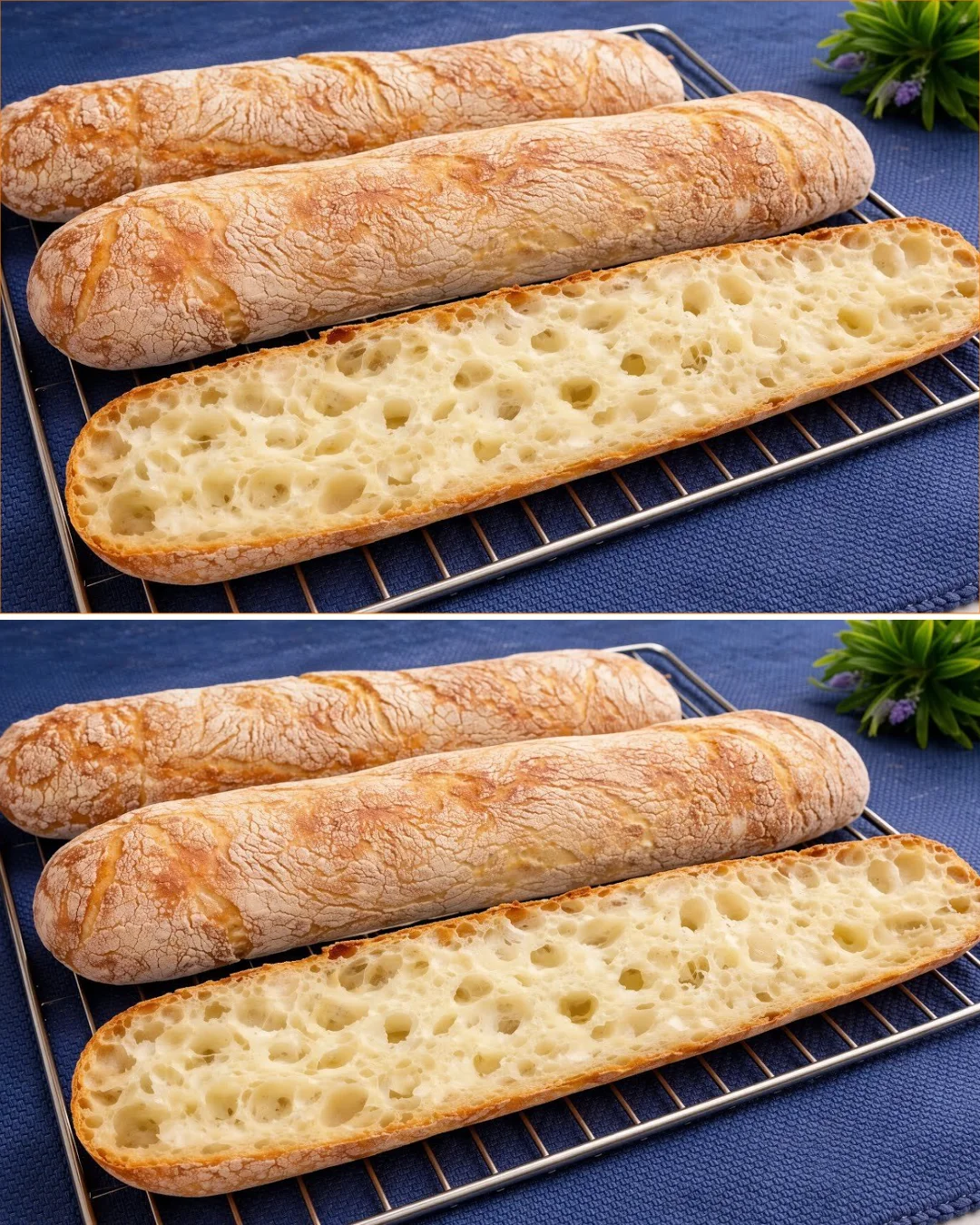
Homemade ciabatta bread has been a staple of Italian kitchens for decades, and it’s enjoying a revival as more home bakers seek the comforting aroma and texture of freshly baked bread. Recently, I decided to embark on a culinary adventure to craft the perfect loaf of ciabatta, and let me tell you, the results were nothing short of magical. With its crispy crust and airy, chewy interior, this bread is versatile enough to complement any meal or stand alone with a drizzle of olive oil. I learned a few key techniques along the way that will help ensure your ciabatta turns out just as wonderfully.
Why You’ll Love This Recipe
- The airy texture is achieved through a high-hydration dough, making each bite irresistible.
- You can easily customize this recipe with herbs, olives, or cheese for a twist.
- This bread is perfect for sandwiches, toasts, or even just as a side to soups and salads.
- The dough requires minimal kneading, which is great for busy home cooks.
- Experience the satisfaction of homemade bread without needing special equipment.
Ingredients
- 250 ml warm water (about 1 cup)
- 2 teaspoons sugar
- 2 teaspoons active dry yeast
- 4–5 tablespoons all-purpose flour (for starter)
- 3 cups (360 g) all-purpose flour
- 2 cups warm water (about 475 ml)
- 1 teaspoon salt
- Vegetable oil (for greasing)
Ingredient Notes
For best results, use bread flour instead of all-purpose flour, as it has a higher protein content which contributes to a chewier texture. If you don’t have active dry yeast, instant yeast can be used instead— the quantity remains the same.
Kitchen Tools Needed
- Large mixing bowl
- Plastic wrap
- Kitchen towel
- Baking sheet
- Parchment paper (optional)
- Bench scraper or knife
Step-by-Step Instructions
-
In a mixing bowl, combine 250 ml of warm water, sugar, and active dry yeast. Stir gently until dissolved, then add 4–5 tablespoons of all-purpose flour. Mix until smooth and lump-free. Cover the bowl with plastic wrap and a kitchen towel, and let it rest for 20 minutes, or until frothy.
-
Add 2 more cups of warm water to the yeast mixture and stir well. Gradually incorporate the remaining 3 cups of flour and 1 teaspoon of salt. Mix until you have a smooth, sticky dough.
-
Cover the dough again and let it rest for 30 minutes. During this time, the dough will become slightly puffy.
-
Moisten your hands to prevent sticking and gently fold the dough over itself several times (aim for about 4 folds). Stretch and fold to develop gluten structure, then cover and let it rest for an additional 20 minutes.
-
Lightly coat a large bowl with vegetable oil. Transfer the dough to the oiled bowl, stretching it slightly as you move it. Cover the bowl again and let it rise in a warm environment for about 1 hour, or until doubled in size.
-
Generously flour a clean work surface. Carefully turn the risen dough out onto the surface, and divide it into 4 equal pieces. Gently shape each piece into a rectangle without deflating the dough too much.
-
Place the shaped loaves onto a floured baking sheet and cover them with a kitchen towel. Allow them to rise for 20 minutes more.
-
Preheat your oven to 230°C (450°F). Once heated, bake the loaves for 15 minutes until they start to brown. Then reduce the temperature to 180°C (350°F) and continue baking until the loaves are golden, about another 15 to 20 minutes.
-
Remove from the oven and let cool completely on a wire rack before slicing. Enjoy your freshly baked ciabatta bread!
Pro Tips
- For a more flavorful crust, add a handful of herbs or garlic powder to the dough during mixing.
- Be generous with flour when shaping; this dough can be very sticky.
- If you have a baking stone, place it in the oven while preheating to achieve a better crust.
Common Mistakes to Avoid
One common mistake is not letting the dough rise enough. This can lead to denser bread. Trust the process and give it time to develop.
Variations
- Herbed Ciabatta: Add dried herbs like rosemary or thyme to the dough for an aromatic touch.
- Olive Ciabatta: Fold in pitted black or green olives just before shaping.
- Cheese-Stuffed Ciabatta: Add shredded cheese to the center of the dough before folding into loaves.
Serving Suggestions
Serve your ciabatta with a side of olive oil and balsamic vinegar for dipping, or use it to create gourmet sandwiches and bruschetta.
Storage Instructions
Store leftover ciabatta in an airtight bag at room temperature for up to 3 days. For longer storage, slice and freeze wrapped in plastic wrap.
Reheating Tips
To refresh stale ciabatta, sprinkle with water and place it in a preheated oven at 180°C (350°F) for about 5–7 minutes.
Nutrition Estimate
Calories: 210 per serving, Protein: 6g, Carbohydrates: 43g, Fat: 1g (per slice)
Recipe Summary Card
- Prep Time: 1 hour 20 minutes
- Cook Time: 30 minutes
- Total Time: 1 hour 50 minutes
- Servings: 4 loaves
- Cuisine: Italian
- Course: Bread
- Calories: 210 per slice
Frequently Asked Questions
-
Can I use whole wheat flour instead of all-purpose flour?
- Yes, but the texture will be denser. Consider mixing with bread flour for best results.
-
What should I do if my yeast doesn’t foam?
- It may be expired or the water was too hot/cold. You can test the yeast with warm water and sugar before starting.
-
How can I tell when my bread is fully baked?
- The bread should sound hollow when tapped on the bottom and be golden brown on the outside.
-
Will this recipe work in a bread machine?
- It can be adapted, but it’s recommended for more hands-on bakers since this is a high-hydration dough.
-
What’s the best way to enjoy ciabatta bread?
- It’s fantastic fresh out of the oven with olive oil, but also great toasted with toppings or as sandwich bread.
Conclusion
Baking ciabatta is not just about following a recipe; it’s about experiencing the process of creating something special from scratch. I found that with a little practice and patience, you can bring the authentic flavors of Italy right to your kitchen. Your homemade ciabatta is sure to become a beloved favorite!
Tested Note
I tested this recipe multiple times, and letting the dough rise in a warm place really enhanced the flavor and texture. Don’t rush the process—it’s worth every minute!
Ciabatta Bread
This homemade ciabatta bread features a crispy crust and airy, chewy interior, perfect for sandwiches or served with olive oil.
For the Starter
- 250 ml warm water (About 1 cup)
- 2 teaspoons sugar
- 2 teaspoons active dry yeast (Instant yeast can be used instead in the same quantity.)
- 4–5 tablespoons all-purpose flour (For starter.)
For the Bread
- 3 cups all-purpose flour (Preferably bread flour for better texture.)
- 2 cups warm water (About 475 ml)
- 1 teaspoon salt
- Vegetable oil (For greasing)
Preparation
- In a mixing bowl, combine 250 ml of warm water, sugar, and active dry yeast. Stir gently until dissolved, then add 4–5 tablespoons of all-purpose flour. Mix until smooth and lump-free. Cover the bowl with plastic wrap and a kitchen towel, and let it rest for 20 minutes, or until frothy.
- Add 2 more cups of warm water to the yeast mixture and stir well. Gradually incorporate the remaining 3 cups of flour and 1 teaspoon of salt. Mix until you have a smooth, sticky dough.
- Cover the dough again and let it rest for 30 minutes. During this time, the dough will become slightly puffy.
- Moisten your hands to prevent sticking and gently fold the dough over itself several times (aim for about 4 folds). Stretch and fold to develop gluten structure, then cover and let it rest for an additional 20 minutes.
- Lightly coat a large bowl with vegetable oil. Transfer the dough to the oiled bowl, stretching it slightly as you move it. Cover the bowl again and let it rise in a warm environment for about 1 hour, or until doubled in size.
Shaping and Baking
- Generously flour a clean work surface. Carefully turn the risen dough out onto the surface, and divide it into 4 equal pieces. Gently shape each piece into a rectangle without deflating the dough too much.
- Place the shaped loaves onto a floured baking sheet and cover them with a kitchen towel. Allow them to rise for 20 minutes more.
- Preheat your oven to 230°C (450°F). Once heated, bake the loaves for 15 minutes until they start to brown. Then reduce the temperature to 180°C (350°F) and continue baking until the loaves are golden, about another 15 to 20 minutes.
- Remove from the oven and let cool completely on a wire rack before slicing. Enjoy your freshly baked ciabatta bread!
For a more flavorful crust, add a handful of herbs or garlic powder to the dough during mixing. Be generous with flour when shaping; this dough can be very sticky. To refresh stale ciabatta, sprinkle with water and place it in a preheated oven at 180°C (350°F) for about 5–7 minutes.