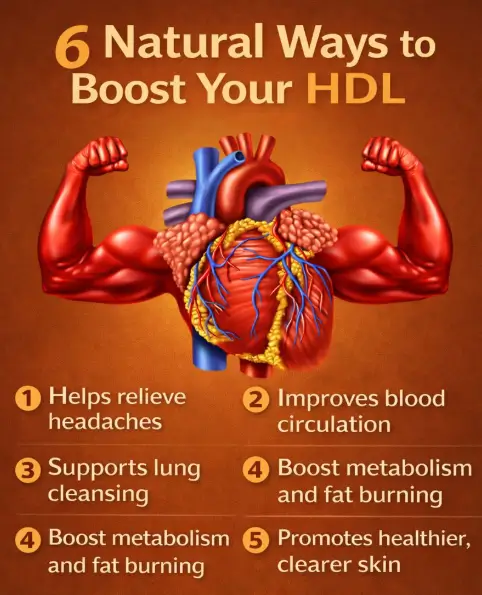
Maintaining healthy cholesterol levels is one of the most important steps you can take to protect your heart. While most people focus on lowering LDL (bad cholesterol), increasing HDL (high-density lipoprotein), often referred to as good cholesterol, is just as crucial. HDL helps transport excess cholesterol from the bloodstream to the liver, where it can be broken down and eliminated from the body. Higher HDL levels are associated with a lower risk of heart disease, stroke, and arterial blockages.
The good news is that HDL cholesterol can often be improved naturally through consistent lifestyle changes. Below are six effective, science-supported ways to raise HDL levels and strengthen overall heart health.
Understanding HDL Cholesterol and Its Role in Heart Health
Cholesterol is a waxy substance found in every cell of the body. While it is essential for hormone production and cell structure, excess cholesterol in the blood can become dangerous. HDL cholesterol plays a protective role by removing surplus cholesterol from artery walls and transporting it back to the liver for disposal.
Low HDL levels may allow cholesterol to accumulate in blood vessels, increasing the risk of atherosclerosis and cardiovascular disease. Improving HDL is therefore not just about cholesterol numbers, but about long-term heart protection.
1. Choose Healthy Fats Instead of Avoiding Fat Entirely
One of the most effective dietary strategies to raise HDL cholesterol is replacing unhealthy fats with beneficial ones. Saturated fats and trans fats, commonly found in processed foods, fried items, and baked goods, can negatively affect cholesterol balance.

Healthy fats that support higher HDL levels include:
- Olive oil and other cold-pressed plant oils
- Avocados
- Nuts and seeds such as almonds, walnuts, chia seeds, and flaxseeds
- Fatty fish like salmon, sardines, and mackerel
These fats improve lipid metabolism and encourage the body to produce more HDL while helping reduce harmful cholesterol buildup.
2. Engage in Regular Physical Activity
Physical activity is one of the fastest natural ways to increase HDL cholesterol. Aerobic exercises stimulate enzymes that help move cholesterol from the blood to the liver, increasing HDL concentration.

Effective activities include:
- Brisk walking
- Jogging or running
- Cycling
- Swimming
- Dancing or aerobic workouts
Consistency matters more than intensity. Engaging in moderate exercise for at least 30 minutes on most days of the week can significantly improve HDL levels while also lowering triglycerides and supporting weight management.
3. Quit Smoking and Avoid Secondhand Smoke
Smoking has a direct negative impact on HDL cholesterol. It damages blood vessels, promotes inflammation, and reduces the body’s ability to produce protective HDL particles.

Quitting smoking can lead to noticeable improvements in HDL levels within weeks. In addition, it reduces oxidative stress, improves circulation, and lowers the risk of heart attacks and strokes. Avoiding secondhand smoke is equally important, as it can also impair cardiovascular health.
4. Maintain a Healthy Body Weight
Excess body fat, especially around the abdomen, is linked to lower HDL levels and higher LDL and triglycerides. Losing even a small percentage of body weight can positively influence cholesterol balance.

Gradual, sustainable weight loss achieved through balanced nutrition and physical activity is far more effective than extreme dieting. As body weight decreases, HDL levels often rise naturally, improving overall cardiovascular resilience.
5. Increase Fiber Intake Through Whole Foods
Dietary fiber plays an important role in cholesterol regulation. Soluble fiber binds to cholesterol in the digestive system and helps remove it from the body before it enters the bloodstream.

Foods rich in soluble fiber include:
- Oats and whole grains
- Beans, lentils, and chickpeas
- Fruits such as apples, pears, and berries
- Vegetables like carrots and Brussels sprouts
A fiber-rich diet supports HDL function while reducing LDL absorption, creating a healthier cholesterol ratio.
6. Consume Alcohol Only in Moderation

Moderate alcohol consumption has been linked in some studies to higher HDL levels, particularly with certain fermented beverages. However, excessive alcohol intake can raise triglycerides, damage the liver, and increase blood pressure.
For those who already consume alcohol, moderation is essential. Alcohol should never be used as a primary strategy for improving cholesterol, and individuals with medical conditions should follow professional advice.
Additional Lifestyle Habits That Support Healthy HDL Levels
Beyond diet and exercise, several daily habits influence cholesterol health:
- Managing stress through relaxation techniques
- Getting adequate, consistent sleep
- Staying hydrated
- Limiting highly processed foods and added sugars
These habits reduce inflammation and support metabolic processes that regulate cholesterol production and transport.
Final Thoughts: Building Long-Term Heart Health Naturally
Raising HDL cholesterol is not about quick fixes or single changes. It is the result of consistent, healthy choices that support the body’s natural balance. By improving nutrition, staying active, managing weight, and avoiding harmful habits, you can enhance HDL levels while protecting your heart for the long term.
Focusing on overall cardiovascular wellness rather than isolated numbers leads to stronger arteries, better circulation, and reduced risk of heart disease.
Increase HDL Cholesterol
Discover six science-backed strategies to naturally raise your HDL cholesterol levels and enhance heart health.
Healthy Fats
- 3 tablespoons Olive oil or other cold-pressed plant oils (Use in cooking or salad dressings.)
- 1 fruit Avocado (Great on toast or in salads.)
- 1/4 cup Nuts and seeds (almonds, walnuts, chia seeds, or flaxseeds) (Snack or add to meals.)
- 2 servings Fatty fish (salmon, sardines, or mackerel) (Consume twice a week.)
Fiber-Rich Foods
- 1 cup Oats or whole grains (For breakfast or baking.)
- 1 cup Beans, lentils, or chickpeas (Add to soups or salads.)
- 1 cup Fruits (apples, pears, or berries) (Snack or add to meals.)
- 1 cup Vegetables (carrots or Brussels sprouts) (Include in lunch or dinner.)
Implement Dietary Changes
- Replace unhealthy fats with healthy fats in your diet.
- Include a variety of fiber-rich foods in your meals.
Engage in Regular Exercise
- Participate in at least 30 minutes of moderate aerobic exercise most days of the week, such as walking, jogging, or cycling.
Quit Smoking
- Stop smoking and avoid secondhand smoke to improve HDL levels.
Manage Weight
- Aim for gradual weight loss through balanced nutrition and consistent exercise.
Limit Alcohol Consumption
- Drink alcohol in moderation, and consult a healthcare professional if you have medical conditions.
Consistent health habits are key to raising HDL levels. Manage stress, get enough sleep, and stay hydrated.