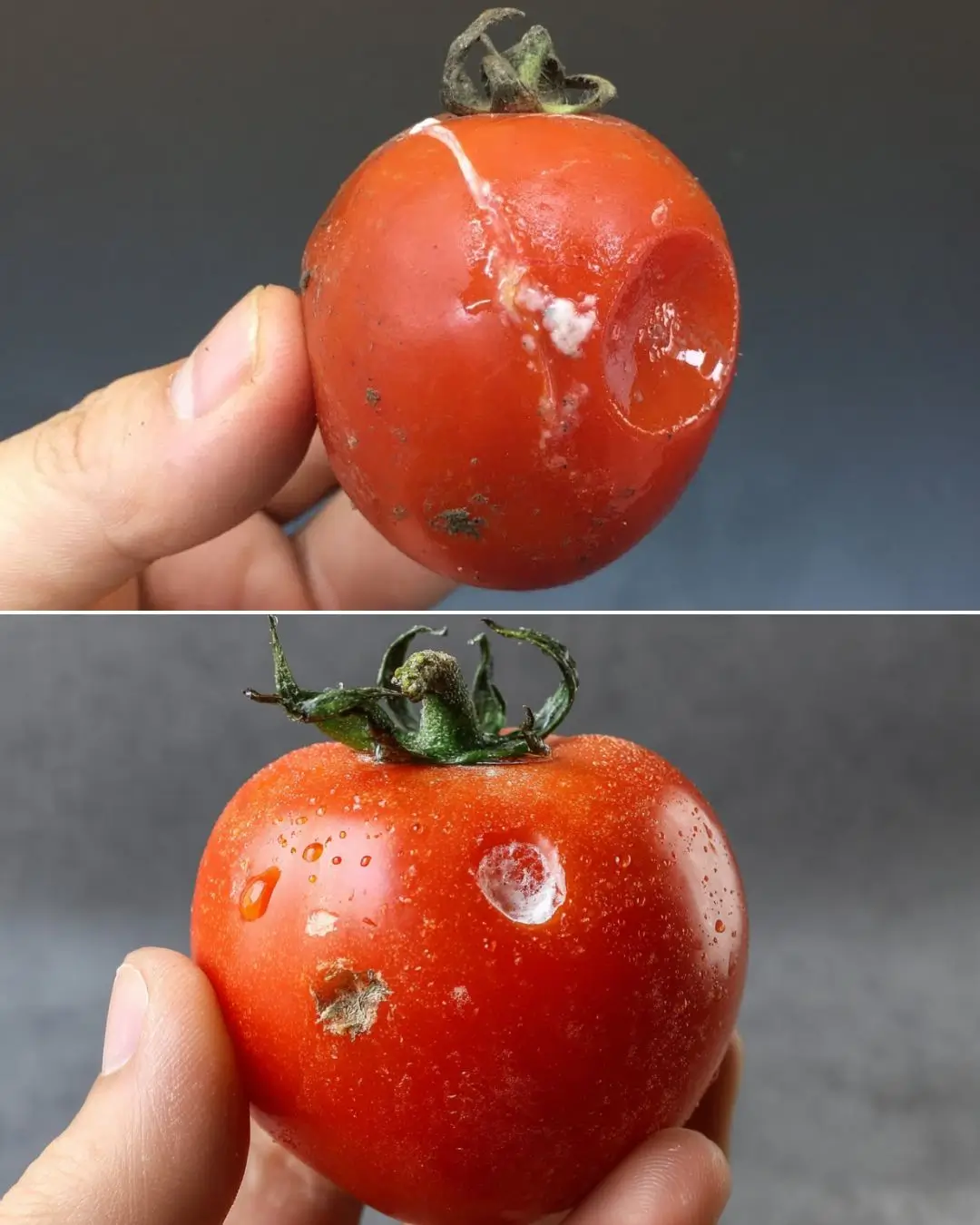
Don’t throw away those soft, overripe tomatoes sitting in your refrigerator. While they’re no longer safe to eat once they’ve become mushy or moldy, these tomatoes still contain valuable compounds that can be repurposed in surprisingly useful ways around your home and garden.
Important Safety Note: Do not consume tomatoes that have become soft, mushy, or show signs of mold, as they may contain harmful bacteria and toxins that can cause food poisoning. The uses below are strictly for non-consumption purposes.
Method 1: Growing New Tomato Plants from Seeds
What You Need:
- Overripe tomatoes with visible seeds
- Pot or planting tray with drainage holes
- Light, aerated potting soil
- Spray bottle for watering
Instructions:
Cut the overripe tomato into thin slices, revealing the seeds inside. Even if the exterior looks damaged, the seeds are often still viable for planting.
Prepare a pot or tray with good drainage holes. Fill it two-thirds full with light, well-aerated potting soil, spreading it evenly.
Place tomato slices gently on the soil surface, ensuring they don’t overlap. This allows each seed adequate space to germinate.
Cover the slices with a thin layer of soil, approximately 1-2 cm deep, ensuring all seeds are covered.
Lightly mist with a spray bottle to keep the soil moist without displacing the tomato slices. Avoid overwatering.
Place the pot in a sunny location and maintain moderate moisture daily by misting when the soil feels dry to the touch.
Within approximately one week, you’ll see small green shoots emerging from the soil. Continue regular care with sunlight and water.
In 1-2 months, the plants will grow, flower, and eventually produce fresh tomatoes. With consistent care, you can have homegrown tomatoes year-round.
Method 2: Creating Natural Liquid Fertilizer
What You Need:
- Overripe or damaged tomatoes
- Clean plastic bottle with tight-fitting lid (never use glass)
- Rice washing water or filtered water
- Strainer
Instructions:
Cut the overripe tomatoes into small pieces. Tomatoes contain potassium and organic acids that benefit plant growth.
Place the tomato pieces in a clean, dry plastic bottle. Don’t fill more than halfway, leaving room for expansion during fermentation.
When washing rice before cooking, save the first cloudy, milky water. Pour this rice water into the bottle with the tomatoes, filling to about 80% capacity. Leave 1-2 cm of space at the top for gas release. If rice water isn’t available, use filtered water instead.
Shake the mixture well, close the lid tightly, then shake again several times.
Place the bottle in a dry, well-ventilated area for 5-7 days. Open the lid daily to release built-up gas and prevent excessive pressure. Never use glass bottles, as fermentation gases can cause them to explode.
After 5-7 days, strain the liquid through a fine mesh to separate it from the solids.
Before using on plants, dilute the tomato liquid at a ratio of 1 part tomato water to 5 parts clean water. This prevents shocking the plants with concentrated nutrients.
This natural fertilizer is rich in nitrogen, phosphorus, potassium, and organic acids. It provides nutrients for vigorous plant growth, improves soil quality, adjusts pH levels, and revitalizes yellowing or weak plants.
Method 3: Natural Grease Cleaner for Cookware
What You Need:
- Overripe tomato
- Greasy pan or cookware
- Warm water for rinsing
Instructions:
Take an overripe tomato and cut away any moldy or completely rotten parts. Keep the portions that still have firm flesh.
Rub the tomato flesh directly onto the greasy surface of your pan or cookware. The natural organic acids in tomatoes (acetic acid, malic acid, and citric acid) break down grease and remove stubborn dirt on metal surfaces.
Rub thoroughly, especially on heavily greased areas. The acids work to dissolve the oil naturally.
Rinse abundantly with warm water. Your pan will be clean and shiny without needing chemical dish soap.
This method is effective, economical, and protects your family’s health by avoiding chemical residues on cookware. It’s particularly useful for those with sensitive skin who experience dryness from commercial dish soaps.
Benefits of These Methods
Repurposing overripe tomatoes instead of discarding them reduces food waste and saves money on seeds, fertilizer, and cleaning products. Each month, a household can save considerably by using these organic waste materials creatively. Growing your own tomatoes provides fresh produce, creating liquid fertilizer eliminates the need for chemical products, and using tomatoes as a natural degreaser protects both your health and the environment. These simple practices demonstrate how items that seem worthless can still provide valuable uses with a bit of creativity and knowledge.
Creative Uses for Overripe Tomatoes
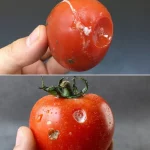
Discover inventive ways to repurpose overripe tomatoes into growing seedlings, natural fertilizers, and effective grease cleaners.
Growing New Tomato Plants from Seeds
- 1 each Overripe tomatoes with visible seeds
- 1 each Pot or planting tray with drainage holes
- 2/3 filled Light, aerated potting soil
- 1 each Spray bottle for watering
Creating Natural Liquid Fertilizer
- 1 each Overripe or damaged tomatoes
- 1 each Clean plastic bottle with tight-fitting lid
- 80 percent full Rice washing water or filtered water
Natural Grease Cleaner for Cookware
- 1 each Overripe tomato
- 1 each Greasy pan or cookware
- as needed Warm water for rinsing
Growing New Tomato Plants from Seeds
- Cut the overripe tomato into thin slices to reveal the seeds inside.
- Prepare a pot or tray with drainage holes filled with light, well-aerated potting soil.
- Place the tomato slices gently on the soil surface, ensuring they don’t overlap.
- Cover the slices with a thin layer of soil, approximately 1-2 cm deep.
- Lightly mist with a spray bottle to keep the soil moist.
- Place the pot in a sunny location and maintain moisture by misting daily.
- In about one week, green shoots will emerge. Continue regular care.
- In 1-2 months, you can harvest fresh tomatoes.
Creating Natural Liquid Fertilizer
- Cut the overripe tomatoes into small pieces.
- Place tomato pieces in a clean, dry plastic bottle halfway.
- Add rice washing water or filtered water until the bottle is 80% full.
- Shake the mixture well and secure the lid.
- Store the bottle in a dry area for 5-7 days, opening daily to release gas.
- Strain the liquid using a fine mesh to separate it from solids.
- Dilute the tomato liquid at a ratio of 1 part liquid to 5 parts water before use.
Natural Grease Cleaner for Cookware
- Cut away any moldy parts from the overripe tomato.
- Rub the tomato flesh onto the greasy surface of your cookware.
- Rinse thoroughly with warm water for a clean finish.
Repurposing overripe tomatoes helps reduce food waste. Each method saves money and contributes to a healthier environment, avoiding harmful chemicals.