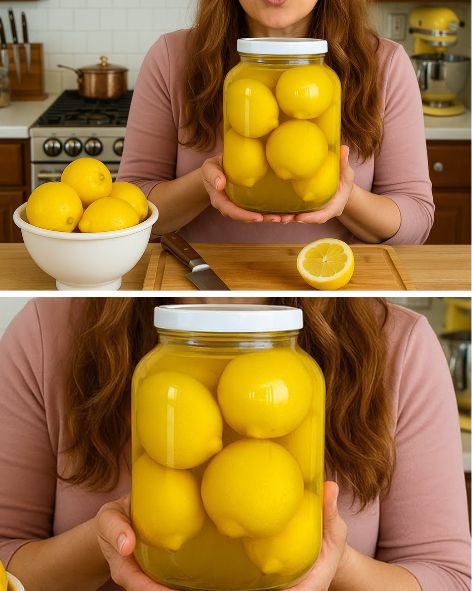
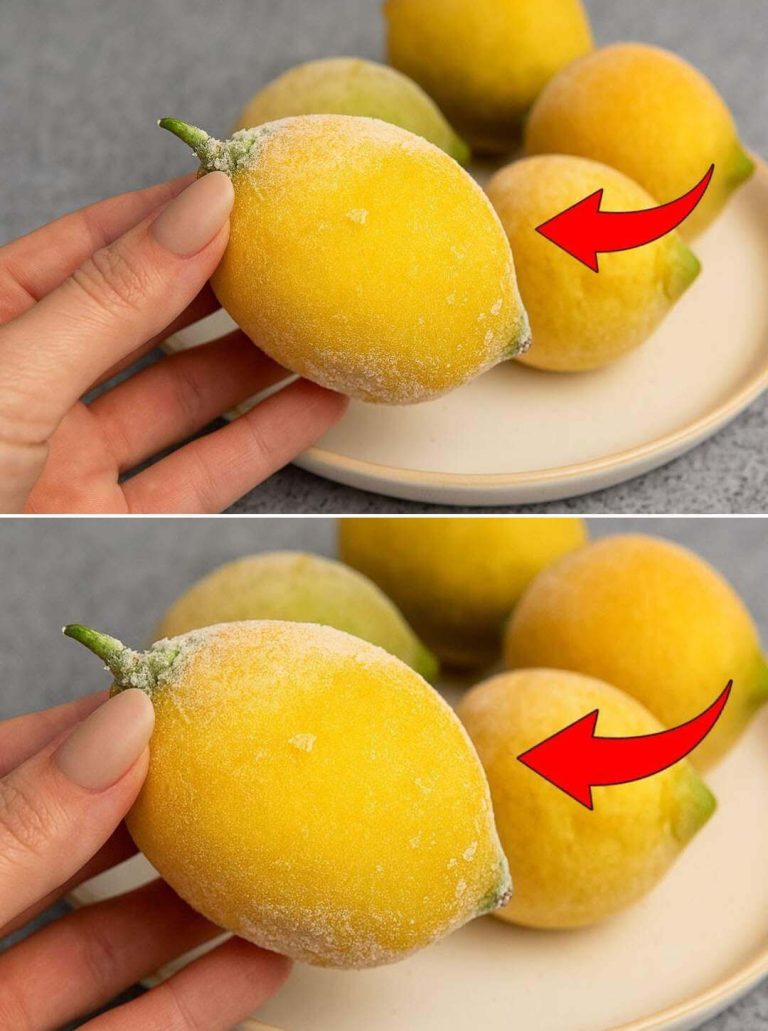
Preserving food is an art, and freezing is one of the best ways to maintain nutrition and flavor. When it comes to storing food for the long haul, mason jars emerge as a beloved option among home cooks and food enthusiasts alike. But can you actually freeze food in these glass containers? The answer is a resounding yes! Let’s delve into the best practices for freezing food in mason jars, ensuring you get the most out of your culinary creations.
Why Use Mason Jars for Freezing?
Mason jars are not just for canning; they offer versatile storage solutions for frozen foods. Here are a few reasons why you might want to consider using them:
- Durability: High-quality glass jars can withstand cold temperatures, making them excellent for freezing.
- Airtight Seal: When sealed properly, mason jars create an airtight environment that helps prevent freezer burn and preserves food quality.
- Visibility: The clarity of glass allows you to see the contents at a glance, making it easy to identify stored items.
- Sustainable Option: Reusable jars reduce plastic waste, aligning with eco-conscious practices.
Preparing Mason Jars for Freezing
To successfully freeze food in mason jars, follow these guidelines to avoid breakage and ensure optimal preservation:
1. Choose the Right Jars
Opt for wide-mouth mason jars as they provide easier access and reduce stress on the glass when filling. Look for jars specifically marked as freezer-safe to ensure they can withstand low temperatures.
2. Leave Space for Expansion
When freezing liquids, it’s crucial to leave headspace at the top of the jar—about 1 to 2 inches—to allow for expansion as the contents freeze. This prevents the lid from popping off or the jar from breaking due to pressure.
3. Avoid Sudden Temperature Changes
Avoid placing hot food directly into a cold jar, as the sudden temperature change can cause the glass to shatter. Allow food to cool to room temperature before transferring it into the jar.
4. Use Appropriate Lids
Use two-piece metal lids or plastic lids designed for freezer use. Make sure they are fitted securely to create a tight seal, which helps prevent air from entering and causing freezer burn.
Best Practices for Freezing Food in Mason Jars
Once your jars are prepped, here are some best practices to follow:
1. Labeling is Key
Use a permanent marker or safety label tape to note the contents and date on the jar. This will help you keep track of what you have stored and how long it has been in the freezer.
2. Mind the Fill Level
When filling your jars, ensure you do not overfill them. As mentioned earlier, leaving space for expansion is critical to maintaining the jar’s integrity.
3. Freeze Strategically
Place jars in a single layer in the freezer, ensuring they are not touching each other to allow for proper air circulation. You can reorganize jars once they are fully frozen.
4. Thawing with Care
When you’re ready to use the frozen food, transfer the jar to the refrigerator to let it thaw gradually. Avoid using the microwave or placing the jar in hot water, as these methods can lead to cracks in the glass.
Foods That Freeze Well in Mason Jars
Many foods can be frozen in mason jars, including:
- Soups and stews: Portion these delicious meals into jars for effortless dinners.
- Smoothie packs: Prepare fruit blends for quick smoothie-making.
- Pasta sauces: Store homemade sauces ready for a quick meal.
- Bone broth: Preserve nutrient-rich broths in portioned sizes.
- Vegetables and fruits: Blanch veggies or freeze fruits to enjoy later on.
Conclusion
Freezing in mason jars is a safe and efficient method to store your favorite foods. With a little preparation and attention to detail, you can successfully preserve your culinary creations while reducing waste. So, gather your jars, get creative, and enjoy the benefits of frozen meals at your fingertips. Happy freezing!