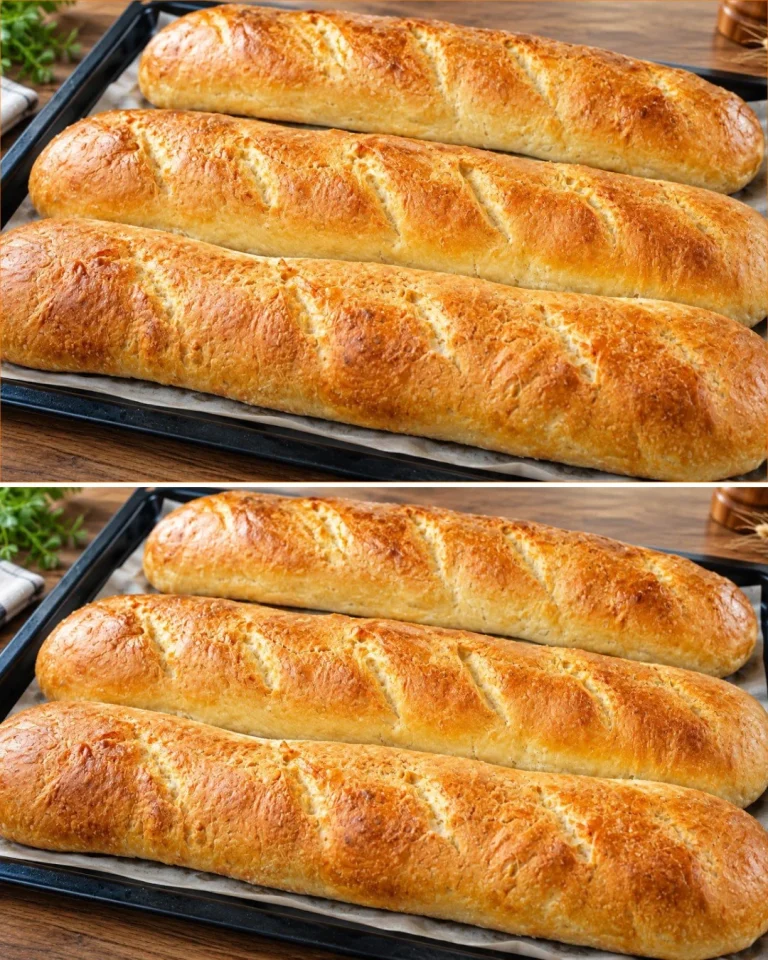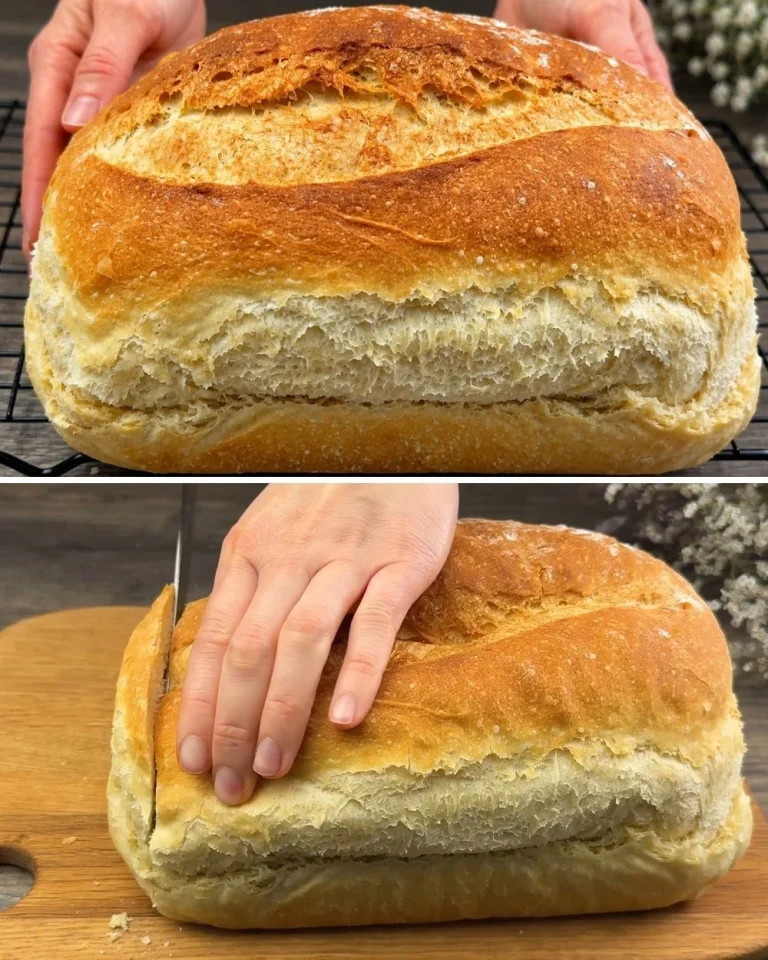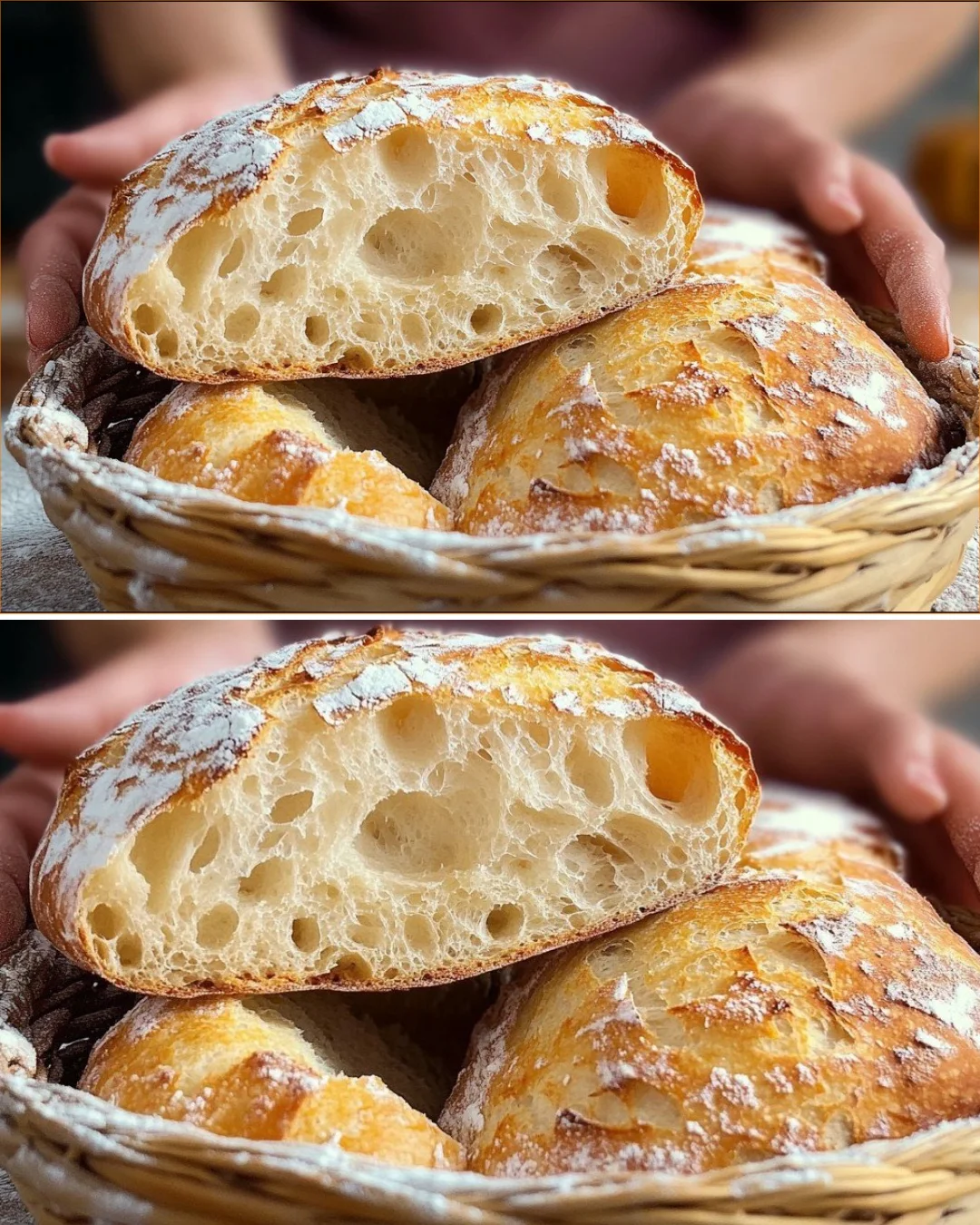
The allure of fresh Italian bread is undeniable—its golden crust, light, airy interior, and herald of rustic simplicity evoke the heart of Italian cuisine. This recipe for Italian bread has gained popularity due to its delightful texture and the unmatched aroma that fills your home while it bakes. During my testing, I discovered the method enhances the bread’s flavor through a mix of patience and proper kneading techniques. Who knew that a little extra folding could make such a difference?
Why You’ll Love This Recipe
- Achieves an irresistible crust with a soft and chewy middle.
- Simple ingredients that you may already have in your pantry.
- The kneading technique I’ll share creates a wonderfully elastic dough.
- Perfect for sandwiches, bruschetta, or simply enjoying with olive oil.
- The aroma wafting from your oven makes the waiting worthwhile.
Ingredients
- 1/3 cup (100 ml) warm water
- 1 teaspoon (8 g) active dry yeast
- 1 teaspoon (5 g) sugar
- 4 1/2 cups (575 g) all-purpose flour, plus extra for dusting
- 1 1/2 cups (350 ml) warm water
- 1 teaspoon (6 g) salt
- 2 tablespoons (30 ml) olive oil
Ingredient Notes
- Yeast: Using active dry yeast gives reliable results, creating the fluffiness that we’re aiming for. If using instant yeast, there’s no need to activate it first, and you can add it directly to the flour.
- Flour: All-purpose flour works well but consider using bread flour for a chewier texture. The higher protein content can enhance the gluten structure.
- Olive Oil: A good quality extra virgin olive oil not only enriches the flavor but also aids in achieving a golden crust during baking.
Kitchen Tools Needed
- Mixing bowls
- Measuring cups and spoons
- A clean work surface (like a counter or large cutting board)
- A kitchen towel or plastic wrap
- Baking sheet
- Parchment paper (optional)
- Oven mitts
Step-by-Step Instructions
-
Activate Yeast: In a medium mixing bowl, combine 100 ml of warm water (about 110°F or 43°C), 8 g of yeast, and 1 teaspoon of sugar. Stir gently and let it sit for about 15 minutes, or until it’s frothy.
-
Make Dough: In a large bowl, mix the frothy yeast mixture with 575 g of flour and 350 ml of warm water. Stir well until it forms a shaggy dough.
-
Add Salt and Knead: Sprinkle in 1 teaspoon of salt. On a floured surface, knead the dough for about 8-10 minutes until it becomes smooth and elastic. If it’s sticking, add a bit more flour as needed.
-
Incorporate Olive Oil: Add 30 ml of olive oil to the dough and knead it in for another 2-3 minutes until fully integrated. The dough should feel supple and slightly tacky.
-
First Rest: Place the dough in a greased bowl, cover with a damp towel, and let it rest for 1 hour or until doubled in size in a warm place.
-
Folding Technique: After the first rise, gently fold the edges of the dough towards the center 8-10 times. This builds strength in the dough without knocking out all the air.
-
Second Rest: Cover and let it rest for another 30 minutes.
-
Preheat Oven: When the dough is nearly done resting, preheat the oven to 400°F (200°C).
-
Shape the Dough: Divide the dough into four equal pieces. Shape each piece into a tight ball and place them on a floured baking sheet.
-
Final Rise: Cover the shaped dough with a towel and let it rise for another 30 minutes.
-
Bake: Bake in the preheated oven for about 25 minutes. For optimal crust, increase the heat during the last 10 minutes, using both top and bottom heating elements.
-
Cool and Serve: Once golden, remove from the oven and let them cool on a wire rack for 10 minutes before serving.
Pro Tips
- Kneading is crucial: Don’t rush this step; the dough should be elastic and smooth by the end.
- If your kitchen is cold, try preheating the oven for a minute, turning it off, and using that warm space for a better rise.
- A splash of vinegar in the water can enhance the bread’s flavor and fluffiness.
- If you prefer a crustier loaf, place a baking dish with water in the oven while the bread bakes to create steam.
- Let your bread rest for a few minutes longer after baking—it improves the texture!
Common Mistakes to Avoid
- Skipping the resting time can lead to dense bread. Patience is key in letting the dough rise fully.
- Not measuring your ingredients accurately can affect the dough’s texture. Always use proper measuring tools.
- Over-kneading can lead to overly tough bread, so knead just until smooth.
Variations
- Herbed Bread: Add 2 tablespoons of your favorite herbs like rosemary or thyme into the dough for an aromatic touch.
- Cheese Bread: Incorporate shredded cheese (like Parmesan or mozzarella) during the kneading process for a cheesy delight.
- Olive Bread: Mix in olives for Mediterranean flair.
- Whole Wheat Bread: Substitute half of the all-purpose flour with whole wheat for a nuttier flavor and healthier option.
Serving Suggestions
Enjoy this bread while still warm with olive oil and balsamic vinegar or use it for fantastic sandwiches. It pairs beautifully with soups, salads, and cheeses.
Storage Instructions
Store in a paper bag at room temperature for up to 2 days. For longer freshness, wrap in plastic wrap and freeze for up to 3 months.
Reheating Tips
Reheat in a preheated oven at 350°F (175°C) for about 5-7 minutes to revitalize its crustiness and warm the interior.
Nutrition Estimate
Approximately per serving (1 slice):
Calories: 180
Protein: 5g
Carbs: 36g
Fat: 2.5g
Recipe Summary Card
- Prep Time: 2 hours and 30 minutes
- Cook Time: 25 minutes
- Total Time: 2 hours and 55 minutes
- Servings: 8
- Cuisine: Italian
- Course: Bread
- Calories: 180
Frequently Asked Questions
-
Can I use whole wheat flour?
Yes, substituting half ensures a delightful nutty flavor while maintaining structure. -
How can I tell if the yeast is active?
If it bubbles and froths after about 15 minutes, it’s active and ready to go. -
Why is my bread too dense?
Insufficient kneading or not allowing enough rise time are common culprits leading to density. -
Can I make this ahead of time?
Absolutely! Prepare the dough and store it in the fridge overnight before the second rise.
Conclusion
This Italian bread is not just a recipe; it’s an experience—one that brings friends and family together around the table with the soulful taste of home.
Tested Note
During my most recent trial, letting the dough rest for a full hour powered up the flavor profile, giving it a depth I’ve never achieved before!
Italian Bread

This Italian bread recipe yields a golden crust and soft, chewy interior, perfect for sandwiches or bruschetta.
Dough Ingredients
- 1/3 cup warm water (Approx. 100 ml, about 110°F (43°C))
- 1 teaspoon active dry yeast (Gives reliable fluffiness. If using instant yeast, add directly to flour.)
- 1 teaspoon sugar
- 4 1/2 cups all-purpose flour (Consider using bread flour for a chewier texture.)
- 1 1/2 cups warm water (Approx. 350 ml)
- 1 teaspoon salt
- 2 tablespoons olive oil (Extra virgin olive oil is recommended for flavor and crust.)
Activation
- In a medium mixing bowl, combine warm water, yeast, and sugar. Stir gently and let it sit for about 15 minutes, or until frothy.
Make the Dough
- In a large bowl, mix the frothy yeast mixture with flour and warm water. Stir well until it forms a shaggy dough.
Kneading
- Sprinkle in salt and knead the dough on a floured surface for about 8-10 minutes until smooth and elastic.
- If the dough is sticking, add more flour as needed.
Incorporate Olive Oil
- Add olive oil to the dough and knead for another 2-3 minutes until fully integrated. The dough should feel supple.
First Rest
- Place the dough in a greased bowl, cover with a damp towel, and let it rest for 1 hour or until doubled in size.
Folding
- After the first rise, gently fold the edges of the dough towards the center 8-10 times.
Second Rest
- Cover and let it rest for another 30 minutes.
Preheat Oven
- When the dough is nearly done resting, preheat the oven to 400°F (200°C).
Shape the Dough
- Divide the dough into four equal pieces. Shape into tight balls and place on a floured baking sheet.
Final Rise
- Cover the shaped dough and let it rise for another 30 minutes.
Bake
- Bake in the preheated oven for about 25 minutes. Increase heat during the last 10 minutes for optimal crust.
Cool and Serve
- Once golden, remove from oven and let cool on a wire rack for 10 minutes before serving.
Kneading is crucial for elasticity; consider a splash of vinegar to enhance flavor. Store in a paper bag at room temperature for up to 2 days or freeze for longer freshness.