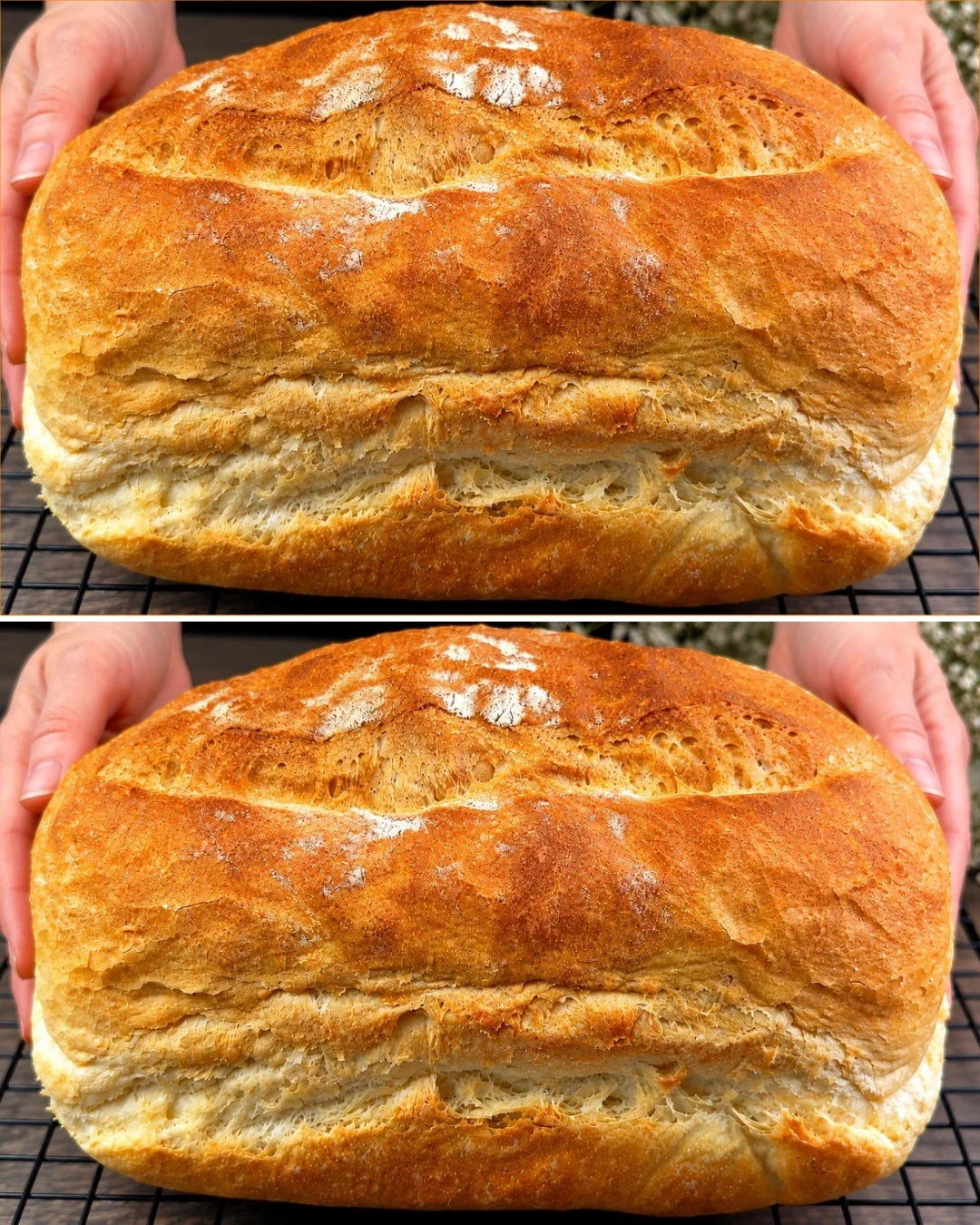
This simple homemade bread recipe offers a straightforward approach to baking fresh bread with just a few pantry staples. Using basic ingredients like wheat flour, warm water, sugar, salt, yeast, and olive oil, this method creates a delicious loaf with a crispy crust and soft interior. It’s ideal for those who want to enjoy the comforting taste of homemade bread without complex steps. For anyone interested in quick bread-making tips, this technique can inspire confidence and ease, and you may find additional helpful insights in a related guide on making dough ready in five minutes with three cups of flour. Nutritionally, this bread is a moderate source of carbohydrates and a good energy provider, best enjoyed as part of a balanced diet.
Why This Recipe Is Helpful
- Uses simple, common ingredients easily found in most kitchens.
- Step-by-step process encourages patience for ideal dough texture and flavor.
- Produces bread with a satisfying crust and tender crumb without needing fancy equipment.
Best For
This bread is perfect for home cooks looking to bake fresh bread regularly without complicated recipes. It suits anyone who enjoys homemade baked goods and wants a reliable recipe for everyday bread.
Be Careful If
If you have gluten intolerance or wheat allergy, this recipe is not suitable due to the use of wheat flour. Also, the recipe contains sugar and olive oil, so consider dietary restrictions accordingly.
Ingredients
- 400–410 ml (about 1 2/3 to 1 3/4 cups) warm water
- 600 g (about 5 cups) wheat flour, sifted
- 1 tablespoon (12 g) sugar
- 1 teaspoon (6 g) salt
- 7 g (1 packet or 2 1/4 teaspoons) dry yeast
- 1–2 tablespoons (15–30 ml) olive oil
Ingredient Notes
- Wheat flour: Sifting the flour before mixing helps create a softer, lighter bread texture.
- Dry yeast: Make sure it is fresh and active for proper rising.
- Warm water: Should be warm to the touch but not hot, to activate the yeast without killing it.
- Olive oil: Adds moisture and flavor; you can vary the amount slightly depending on preference.
Kitchen Tools Needed
- Large mixing bowl
- Sifter or fine sieve
- Measuring cups and spoons or kitchen scale
- Wooden spoon or dough scraper
- Clean kitchen towel or plastic wrap for covering
- Oven with thermometer (if possible)
- Baking tray or bread pan
- Sharp knife or blade for scoring
Step-by-Step Instructions
- Sift the wheat flour into a large mixing bowl to aerate it for a softer dough.
- Add warm water, sugar, salt, dry yeast, and olive oil to the flour. Stir until the mixture forms a rough dough.
- Cover the bowl with a clean towel and let it rise in a warm place for 50 minutes, folding the dough multiple times to develop gluten structure.
- Shape the dough gently into a ball, cover, and let rest in a warm spot for 30 minutes.
- Repeat folding the dough, cover again, and let it rest for another 30 minutes. This step improves the dough texture and rise.
- Roll the dough into a final ball, cover, and rest for 10 minutes to relax the gluten.
- Dust the dough surface lightly with flour, cover, and let it rise for 30 more minutes.
- Preheat the oven to 180°C (350°F).
- Spray the dough lightly with water and make a shallow cut across the top with a sharp knife or blade—this helps control expansion in the oven.
- Bake the bread for 35 to 40 minutes until golden brown on the outside and fully cooked inside.
- Remove from the oven and let the bread cool completely on a wire rack before slicing to preserve the crust’s crispness.
Pro Tips
- Folding the dough during rises helps improve air pockets and crumb texture.
- Sifting flour really makes a difference in softness here—don’t skip it.
- Scoring before baking lets steam escape and gives the bread a nice appearance.
- Cool the loaf completely; slicing too early can cause a gummy crumb.
Lighter Swaps
This recipe works best with wheat flour and olive oil; substituting whole wheat flour will produce a denser loaf. Using less oil or skipping it would reduce moisture and softness noticeably.
Common Mistakes
- Using water that’s too hot can kill the yeast, resulting in poor rise.
- Not covering the dough properly can dry it out during resting.
- Skipping folding steps typically yields a less airy, denser bread.
Serving Suggestions
Serve fresh bread as a side with soups, salads, or your favorite spreads and cheeses. It’s also perfect for making sandwiches or toast.
Storage Instructions
Store leftover bread in a paper bag or wrapped loosely in a clean kitchen towel at room temperature for 2 to 3 days to keep the crust crisp. For longer storage, freeze sliced portions in a sealed plastic bag.
Reheating Tips
Warm bread in a preheated oven at 150°C (300°F) for 5 to 10 minutes to refresh the crust before serving. Avoid microwaving, which can make the bread chewy.
Nutrition Estimate
Per serving (based on 12 slices):
- Calories: ~150 kcal
- Protein: 4 g
- Carbohydrates: 30 g
- Fat: 2 g
Values are estimates and may vary by ingredients and portion size.
Recipe Summary
- Preparation time: 20 minutes (plus rising time)
- Cooking time: 35–40 minutes
- Total time: About 2.5 to 3 hours
- Servings: 12 slices
- Cuisine: Homemade bread
- Course: Side dish / snack
- Calories: Approximately 150 kcal per slice
Frequently Asked Questions
Q: Can I use instant yeast instead of dry yeast?
A: Yes, instant yeast can be used in the same amount; mix it directly with the flour.
Q: How do I know when the bread is fully baked?
A: The crust should be golden brown and sound hollow when tapped on the bottom.
Q: Can I make the dough ahead and refrigerate it overnight?
A: Yes, refrigerating slows fermentation; bring dough to room temperature before shaping and continuing.
Conclusion
This bread recipe is a straightforward and satisfying way to enjoy fresh homemade bread with everyday ingredients. Its simple technique and reliable results make it a wonderful choice for anyone new to baking or seeking a go-to basic loaf. Happy baking!