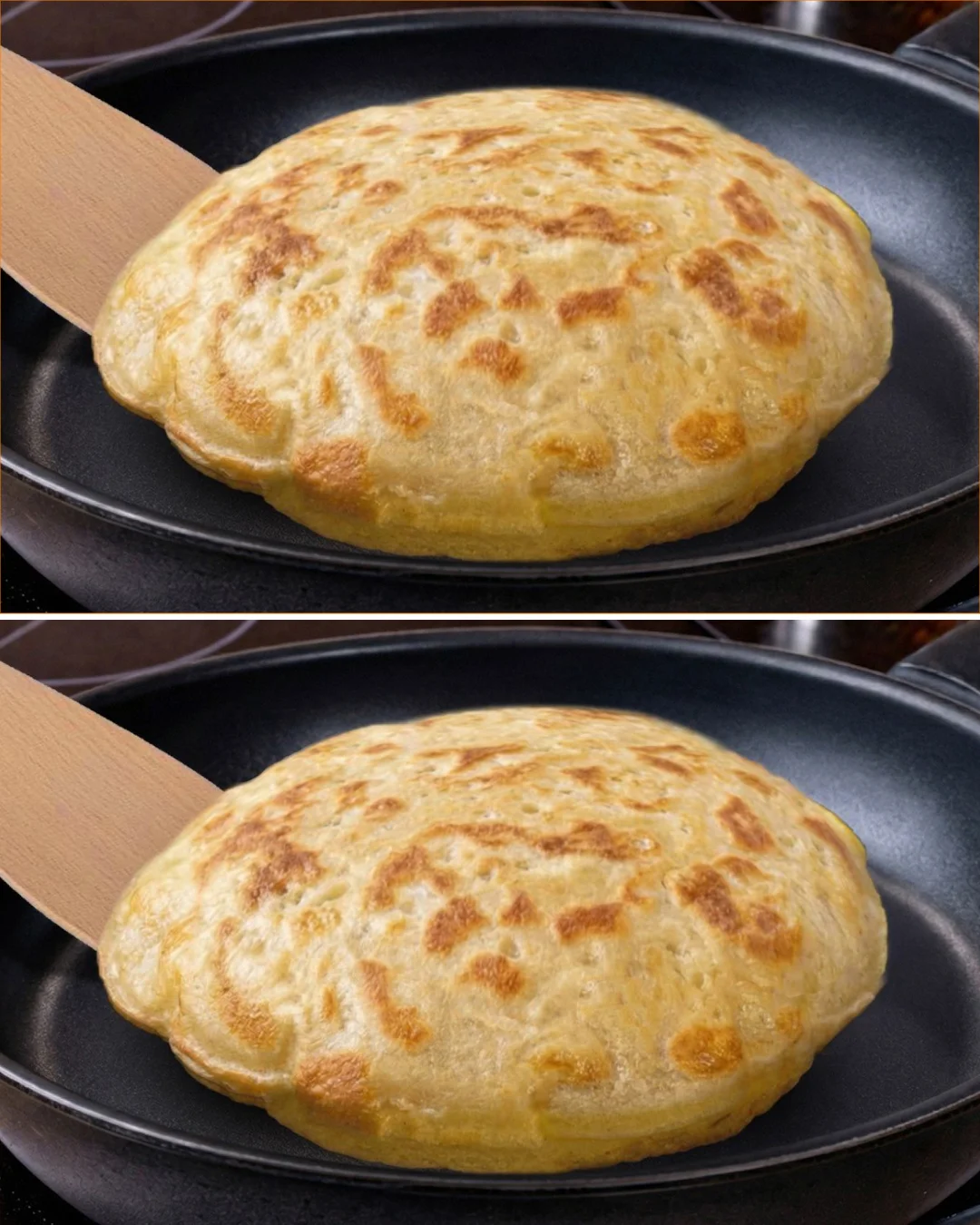
Flatbread has been having a moment because it’s the fastest route to a homemade “bread basket” without turning on the oven—especially when the weather’s warm and you don’t want to bake. This version is a simple, pourable batter you cook in a skillet, so it’s closer to a soft wrap than a kneaded dough.
When I tested it the first time, I was surprised by how quickly the texture changed once the pan temperature was right: too cool and it stayed pale and gummy; just a little hotter and it developed light blistering and that flexible, wrap-ready chew. The small tweak that made the biggest difference was giving the batter a short rest and using a covered pan for part of the cook—both helped it set evenly and puff more reliably.
Why You’ll Love This Recipe
- No yeast, no kneading, no oven—just one bowl and one pan
- Soft and flexible like a wrap, perfect for sandwiches and kebabs
- Quick: you can be eating in about 25 minutes start to finish
- Easy pantry ingredients you probably already have
- Testing win: a 10-minute batter rest noticeably reduced tearing and improved tenderness
Ingredients
- 2 cups (480 ml) water, room temperature
- 2 1/2 cups (300 g) all-purpose flour
- 1 teaspoon (5 g) sugar
- 1 teaspoon (5 g) fine salt
- 1 tablespoon (15 g) olive oil, plus more for the pan
Ingredient Notes
- All-purpose flour: Gives a tender but sturdy wrap. Bread flour can make it slightly chewier; if you use it, the batter may thicken and need a splash more water.
- Water: Room-temp blends smoother. If your kitchen is cold, slightly warm water (not hot) helps prevent lumps.
- Sugar: You won’t taste sweetness—it helps light browning and improves flavor.
- Olive oil: Adds tenderness and keeps the flatbread flexible. Neutral oil works too, but olive oil tastes best here.
- Salt: Essential for flavor; without it the bread tastes flat even with fillings.
Kitchen Tools Needed
- Large mixing bowl
- Whisk (or fork + a little patience)
- 1/4 cup (60 ml) measuring cup or ladle
- 10–12 inch (25–30 cm) nonstick or well-seasoned skillet
- Thin spatula
- Clean kitchen towel
Step-by-Step Instructions
-
Mix the batter.
In a large bowl, whisk together 2 cups (480 ml) water and 2 1/2 cups (300 g) all-purpose flour until mostly smooth. -
Add seasonings and oil.
Whisk in 1 teaspoon (5 g) sugar, 1 teaspoon (5 g) salt, and 1 tablespoon (15 g) olive oil until the batter looks glossy and pourable—about the consistency of thin pancake batter.
If you see a few small lumps, don’t panic; they usually hydrate during the rest. -
Rest the batter (important).
Let the batter sit 10 minutes at room temperature. It will thicken slightly and cook up more evenly. -
Heat the pan.
Place a skillet over medium heat for about 2 minutes. Add 1/2 teaspoon (2–3 ml) olive oil and swirl to coat lightly. (Too much oil can fry the surface and make it less pliable.) -
Pour and spread.
Stir the batter once. Pour about 1/2 cup (120 ml) batter into the center of the pan, then quickly tilt and swirl the pan to spread into a thin round (about 9–10 inches / 23–25 cm).
You’ll have time to spread for the first 10–15 seconds; after that it starts setting. -
Cook the first side.
Cook 2–3 minutes until the top looks mostly set (no wet batter pools) and the edges start to lift. The underside should be lightly golden. -
Flip carefully.
Slide a thin spatula underneath and flip. Cook 1–2 minutes on the second side. -
Encourage bubbles and light puffing.
If you want more blistering, increase heat slightly to medium-high for 30–60 seconds and cover the pan with a lid. You should see bubbles inflate.
Press gently around the edges with the spatula to help even contact, then uncover and adjust heat back to medium if it’s browning too fast. -
Finish and keep warm.
When both sides have pale golden spots and the bread feels cooked through (not wet or tacky), transfer to a plate and cover with a kitchen towel. Repeat with the remaining batter, adding a tiny slick of oil to the pan as needed.
You should get about 6 flatbreads.
Pro Tips (VERY IMPORTANT FOR RANKING)
- Resting the batter 10 minutes prevents tearing. My first batch (no rest) cooked unevenly and ripped when rolled; resting fixed it.
- Preheat the pan properly. If the first flatbread comes out pale and rubbery, the pan wasn’t hot enough—give it another minute and try again.
- Use less oil than you think. A thin sheen helps release; too much oil makes the surface spotty and slightly crisp, which can crack when wrapped.
- Measure by volume per flatbread for consistency. About 1/2 cup (120 ml) per bread kept thickness even and made flipping easier.
- Cover briefly to boost bubbles. A lid for 30–60 seconds helps steam set the center and encourages puffing without drying the bread.
Common Mistakes to Avoid
- Skipping the batter rest: This was my first-attempt mistake—resulted in fragile flatbreads that didn’t roll well.
- Cooking too low and too long: You’ll end up with dry, stiff bread. Aim for light color and flexibility, not deep browning.
- Pouring too much batter: Thick flatbreads can stay gummy in the middle. Stick close to 1/2 cup (120 ml).
- Flipping too early: If the top is still wet, it will smear and tear. Wait until it looks matte and set.
Variations
- Garlic-herb flatbread: Whisk in 1/2 teaspoon garlic powder and 1 teaspoon dried oregano.
- Whole wheat blend: Use 1 cup (120 g) whole wheat flour + 1 1/2 cups (180 g) all-purpose. Add 2–4 tablespoons (30–60 ml) extra water if it thickens.
- Spiced wrap: Add 1/2 teaspoon ground cumin and a pinch of chili flakes for shawarma-style wraps.
- Sesame finish: Sprinkle sesame seeds onto the wet top right after pouring; they toast as the bread cooks.
Serving Suggestions
Use these as wraps for grilled chicken, kebab-style meat, falafel, or roasted vegetables. They’re also great torn into pieces for dipping in hummus, labneh, or olive oil with za’atar. For a quick meal, I like spreading yogurt sauce, adding cucumbers and tomatoes, and rolling with leftover sliced steak or chicken.
Storage Instructions
Cool completely, then stack with parchment between pieces (optional) and store in an airtight bag or container.
- Room temperature: 1 day
- Refrigerator: up to 3 days
- Freezer: up to 2 months (wrap tightly to prevent freezer burn)
Reheating Tips
For best texture, reheat in a dry skillet over medium heat for 20–40 seconds per side until warm and flexible. If refrigerated, a light sprinkle of water before reheating helps restore softness. Avoid microwaving too long; it can turn the bread tough (10–15 seconds is plenty if you must).
Nutrition Estimate
Approximate per serving (1 of 6 flatbreads):
- Calories: 210
- Protein: 6 g
- Carbs: 38 g
- Fat: 4 g
Recipe Summary Card
- Prep Time: 10 minutes
- Cook Time: 15 minutes
- Total Time: 25 minutes
- Servings: 6 flatbreads
- Cuisine: Mediterranean/Middle Eastern-inspired
- Course: Bread, Side
- Calories: 210 per flatbread
Frequently Asked Questions
1) Why is my batter lumpy?
Usually the flour hydrates unevenly. Whisk vigorously and let it rest 10 minutes—most small lumps disappear. If it’s very lumpy, whisk again after resting.
2) Can I make these gluten-free?
This exact ratio is designed for wheat flour. A 1:1 gluten-free flour blend may work, but texture will be more fragile and you may need less water. Expect some trial and error.
3) Why didn’t my flatbread puff up?
Puffing depends on heat and steam. Make sure the pan is fully preheated and try covering the pan for 30–60 seconds after flipping.
4) My flatbread is stiff—what happened?
Most often it’s overcooked or the pan heat was too low for too long. Cook just until set with light golden spots, then keep them covered with a towel to trap steam.
5) Can I cook these without any oil?
Yes if you use a truly nonstick or well-seasoned skillet, but a tiny amount of oil improves release and flexibility.
Conclusion
These skillet flatbreads are the kind of reliable, low-effort bread you can make on a weeknight and still feel like you made something special. Once you dial in the pan heat, they cook fast, stay soft under a towel, and turn anything in the fridge into a proper wrap meal.
Tested Note (VERY IMPORTANT)
I tested this with and without the 10-minute rest, and the rested batter produced noticeably smoother, more flexible flatbreads. I also found that covering the pan briefly after flipping makes the bubbling and puffing much more consistent.
Skillet Flatbread
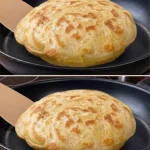
Quick and easy skillet flatbreads made from a simple pourable batter, perfect for wraps and sandwiches without the need for an oven.
Flatbread Batter
- 2 cups water, room temperature (Room-temp blends smoother. Warm water helps prevent lumps.)
- 2 1/2 cups all-purpose flour (Gives a tender but sturdy wrap; bread flour can make it slightly chewier.)
- 1 teaspoon sugar (Enhances browning and flavor without sweetness.)
- 1 teaspoon fine salt (Essential for flavor; without it the bread tastes flat.)
- 1 tablespoon olive oil (Adds tenderness and keeps the flatbread flexible.)
Preparation
- In a large bowl, whisk together water and all-purpose flour until mostly smooth.
- Whisk in sugar, salt, and olive oil until the batter looks glossy and pourable.
- Let the batter sit for 10 minutes at room temperature.
Cooking
- Place a skillet over medium heat for about 2 minutes, then add a little olive oil and swirl to coat.
- Pour about 1/2 cup of batter into the center of the pan, quickly tilting it to spread into a thin round.
- Cook for 2–3 minutes until the top looks mostly set and the edges start to lift.
- Carefully flip the flatbread with a spatula and cook for an additional 1–2 minutes.
- For more blistering, increase heat slightly to medium-high for 30–60 seconds and cover the pan.
- Once both sides have pale golden spots, transfer to a plate and cover with a kitchen towel.
- Repeat with remaining batter, adding a tiny slick of oil to the pan as needed.
Resting the batter is crucial to prevent tearing. Avoid using too much oil to prevent stiffness.