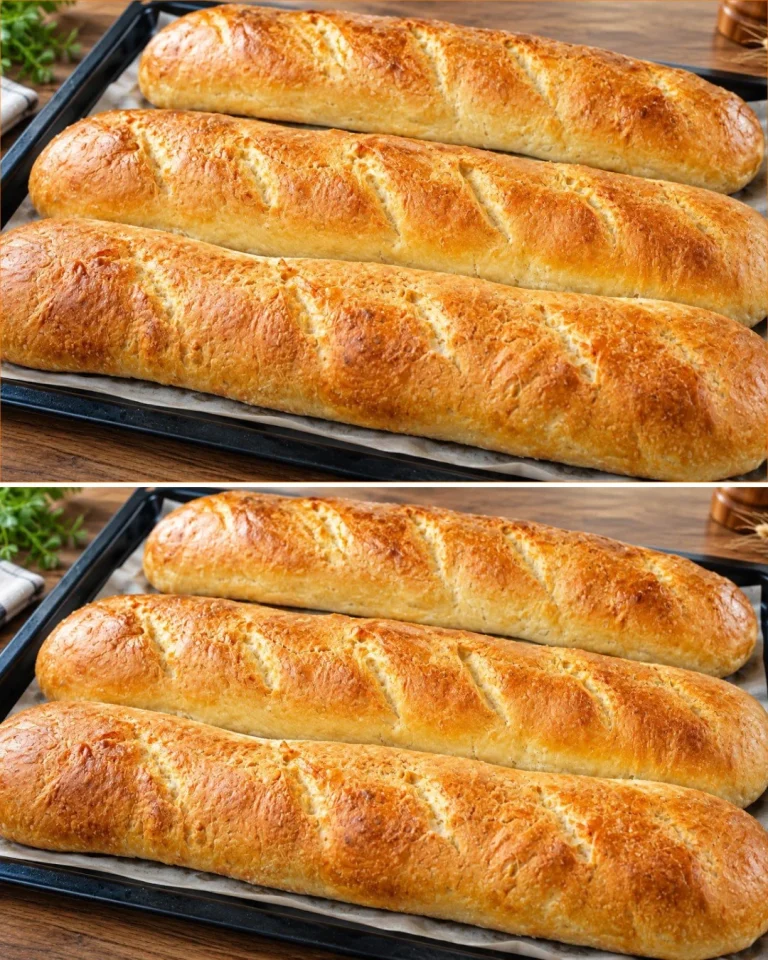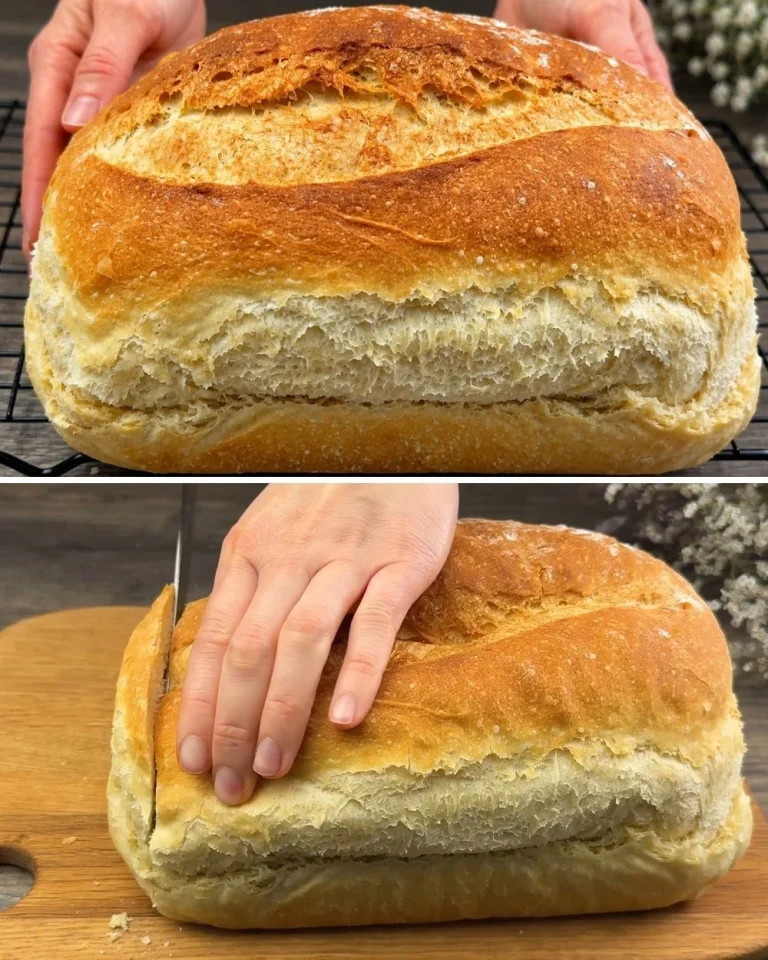
There’s something incredibly satisfying about making your own bread from scratch. The aroma that fills your kitchen while it bakes is comforting and nostalgic, and there’s simply nothing like biting into a warm slice of homemade bread. This Easiest Bread Recipe is perfect for both novice and experienced bakers alike. With straightforward instructions and minimal ingredients, you can whip up a loaf (or two) without much fuss. Plus, it’s versatile enough to make delightful sandwiches or serve alongside your favorite soups and stews.
Why You’ll Love This Recipe
- Just a few simple ingredients make this bread accessible for everyone.
- The dough comes together quickly and doesn’t require any complicated techniques.
- The bread has a beautifully crusty exterior and a soft, fluffy interior.
- Perfect for meal prepping—make a batch and enjoy it throughout the week!
- Great for learning the basics of bread-making without the pressure.
Ingredients
- 500 ml (2 cups) water, warm
- 30 g (2 tablespoons) sugar
- 8 g (2 ¼ teaspoons) instant yeast
- 800 g (6 ½ cups) high-gluten flour
- 1 teaspoon salt
- 30 g (2 tablespoons) butter, softened
- Olive oil, for rolling and shaping
- Extra salt, for topping
Ingredient Notes
Using high-gluten flour gives the bread its lovely chewy texture, but if you can’t find it, bread flour will work fine as a substitute. Instant yeast allows for quicker rising times, which is perfect for those who may get impatient for bread to rise!
Kitchen Tools Needed
- Large mixing bowl
- Wood spoon or spatula
- Plastic wrap or a clean kitchen towel
- Baking sheet
- Parchment paper (optional)
- Cooling rack
Step-by-Step Instructions
- In a large mixing bowl, combine the warm water, sugar, and instant yeast. Stir gently to dissolve and let it sit for about 5 minutes, until it becomes frothy.
- Gradually add the high-gluten flour in two batches, then sprinkle in the salt. Stir with a wooden spoon until no dry flour remains.
- Let the dough rest for 20 minutes to allow for hydration. This step helps improve the dough’s texture.
- Add the softened butter to the dough and knead until smooth and elastic, about 8 minutes. If the dough is sticky, you can sprinkle a little flour while kneading.
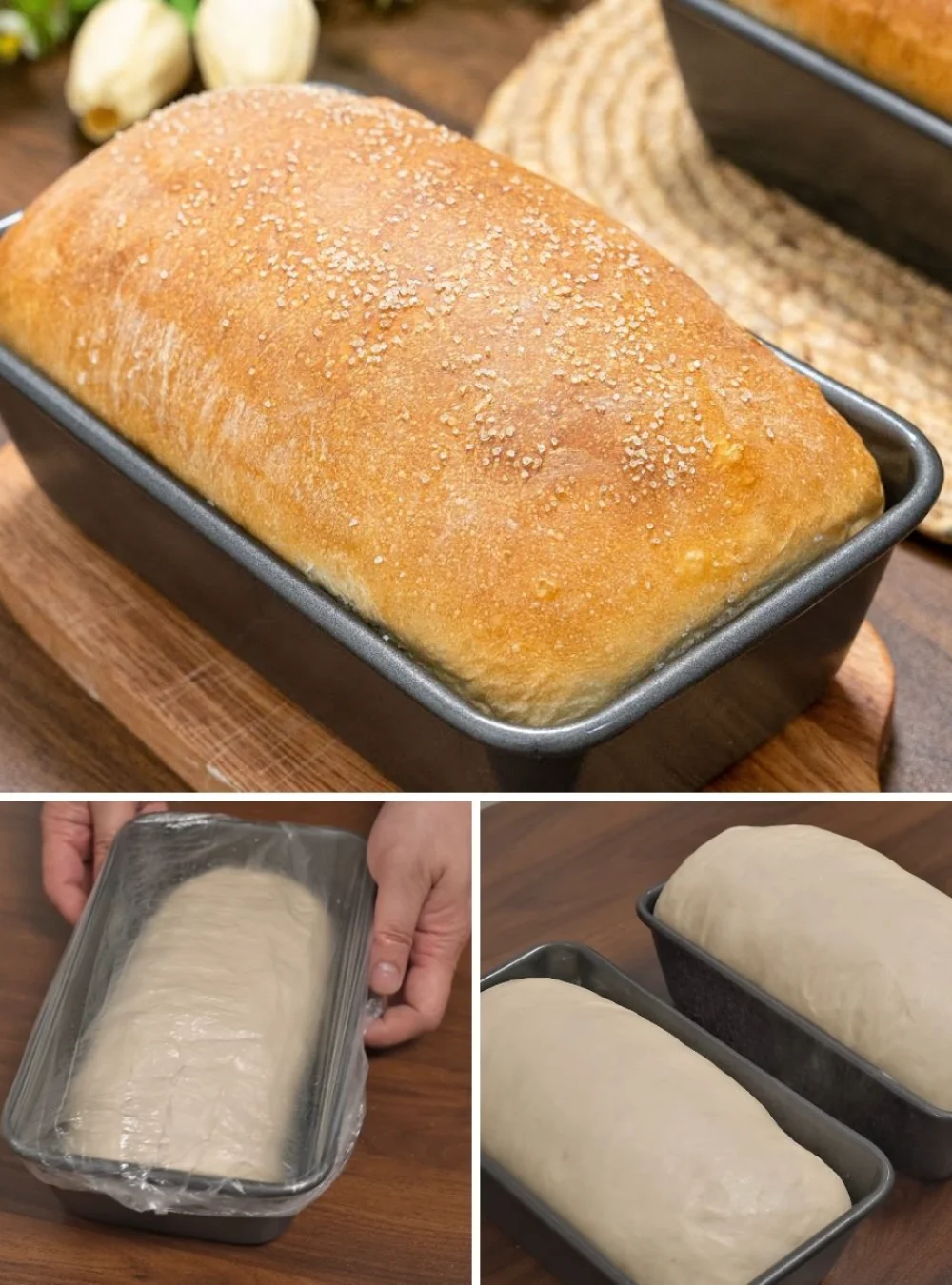
- Cover the dough with plastic wrap or a kitchen towel and place it in a warm area to ferment until it doubles in size, about 1 to 1.5 hours.
- Once doubled, punch down the dough to release the air and divide it into two equal pieces. Shape each piece into a ball and let them rest for 10-15 minutes.
- On a lightly oiled surface, shape your dough into your preferred form (loaf, round, etc.). Follow along with any shaping videos for visual guidance if you’re unsure.
- Allow the shaped dough to ferment again for about 30-40 minutes until puffy.
- Preheat your oven to 200°C (392°F). Just before baking, spray the surface of the dough with water and sprinkle with a little salt.
- Bake for 30-40 minutes until the bread is golden brown and sounds hollow when tapped on the bottom.
- Let the bread cool on a wire rack before slicing—this helps finish the cooking process and sets the texture.
Pro Tips
- Make sure your water is warm but not hot; too hot can kill the yeast.
- If you don’t have a warm area in your kitchen, you can turn on the oven for a couple of minutes, then turn it off and place the covered dough inside to rise.
- For an even greater crust, you can place a pan of water in the oven while the bread bakes—this adds steam and helps develop a crisp crust.
- Don’t be afraid to play around with herbs or cheeses in the dough for extra flavor!
Common Mistakes
- Using cold water can slow down or inhibit yeast activity; always start with warm water.
- Not allowing the dough enough time to rise can lead to dense bread.
- Make sure your yeast is fresh; expired yeast won’t work effectively.
Variations
- Add herbs like rosemary or thyme for a savory flavor.
- Incorporate cheese into the dough or sprinkle it on top before baking.
- Try adding seeds like sesame or poppy on top for some crunch.
Serving Suggestions
This bread is fantastic as a side for soups or salads, perfect for sandwiches, or toasted with a pat of butter and a sprinkle of jam. However you serve it, the homemade touch makes a big difference!
Storage Instructions
Store any leftover bread in a paper bag at room temperature for up to 3 days. For longer storage, slice and freeze the bread in a zip-top bag. It’s easy to toast the slices from frozen!
Reheating Tips
For the freshest taste, reheat your bread in the oven at 350°F (175°C) for about 10 minutes to restore its crustiness.
Nutrition Estimate
Approximately 200 calories, 6 g protein, 40 g carbohydrates, and 3 g fat per slice (varies based on slice size and variations).
Recipe Summary
- Prep Time: 15 minutes
- Cook Time: 30-40 minutes
- Total Time: 2 hours
- Servings: 16 slices
- Cuisine: Universal
- Course: Bread
- Calories: 200 per slice
Frequently Asked Questions
Can I use all-purpose flour instead of high-gluten flour?
Yes, but the texture will be slightly different—less chewy.
Why is my dough sticky?
If the humidity is high, you may need to adjust the flour slightly—add a little more flour as you knead if needed.
Can I double the recipe?
Absolutely! Just make sure you have a large enough space to rise both batches.
What can I do with stale bread?
Use it for croutons, breadcrumbs, or even bread pudding—no waste here!
Homemade bread doesn’t have to be complicated. This easy recipe makes it quite achievable, and once you’ve mastered the basics, you’ll find yourself experimenting with flavors and shapes. Happy baking!
Easiest Bread
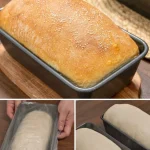
This Easiest Bread Recipe is perfect for novice and experienced bakers alike, offering a beautifully crusty exterior and a soft, fluffy interior, ideal for sandwiches or as a side for soups and stews.
Main Ingredients
- 500 ml water, warm
- 30 g sugar (2 tablespoons)
- 8 g instant yeast (2 ¼ teaspoons)
- 800 g high-gluten flour (Can substitute with bread flour.)
- 1 teaspoon salt
- 30 g butter, softened (2 tablespoons)
- Olive oil (For rolling and shaping)
- Extra salt (For topping)
Preparation
- In a large mixing bowl, combine the warm water, sugar, and instant yeast. Stir gently to dissolve and let it sit for about 5 minutes, until it becomes frothy.
- Gradually add the high-gluten flour in two batches, then sprinkle in the salt. Stir with a wooden spoon until no dry flour remains.
- Let the dough rest for 20 minutes to allow for hydration.
Kneading and Fermentation
- Add the softened butter to the dough and knead until smooth and elastic, about 8 minutes.
- Cover the dough with plastic wrap or a kitchen towel and place it in a warm area to ferment until it doubles in size, about 1 to 1.5 hours.
Shaping
- Once doubled, punch down the dough to release the air and divide it into two equal pieces. Shape each piece into a ball and let them rest for 10-15 minutes.
- On a lightly oiled surface, shape your dough into your preferred form (loaf, round, etc.).
- Allow the shaped dough to ferment again for about 30-40 minutes until puffy.
Baking
- Preheat your oven to 200°C (392°F). Just before baking, spray the surface of the dough with water and sprinkle with a little salt.
- Bake for 30-40 minutes until the bread is golden brown and sounds hollow when tapped on the bottom.
- Let the bread cool on a wire rack before slicing.
For an even greater crust, place a pan of water in the oven while the bread bakes to add steam. Store leftover bread in a paper bag at room temperature for up to 3 days. For longer storage, slice and freeze in a zip-top bag.