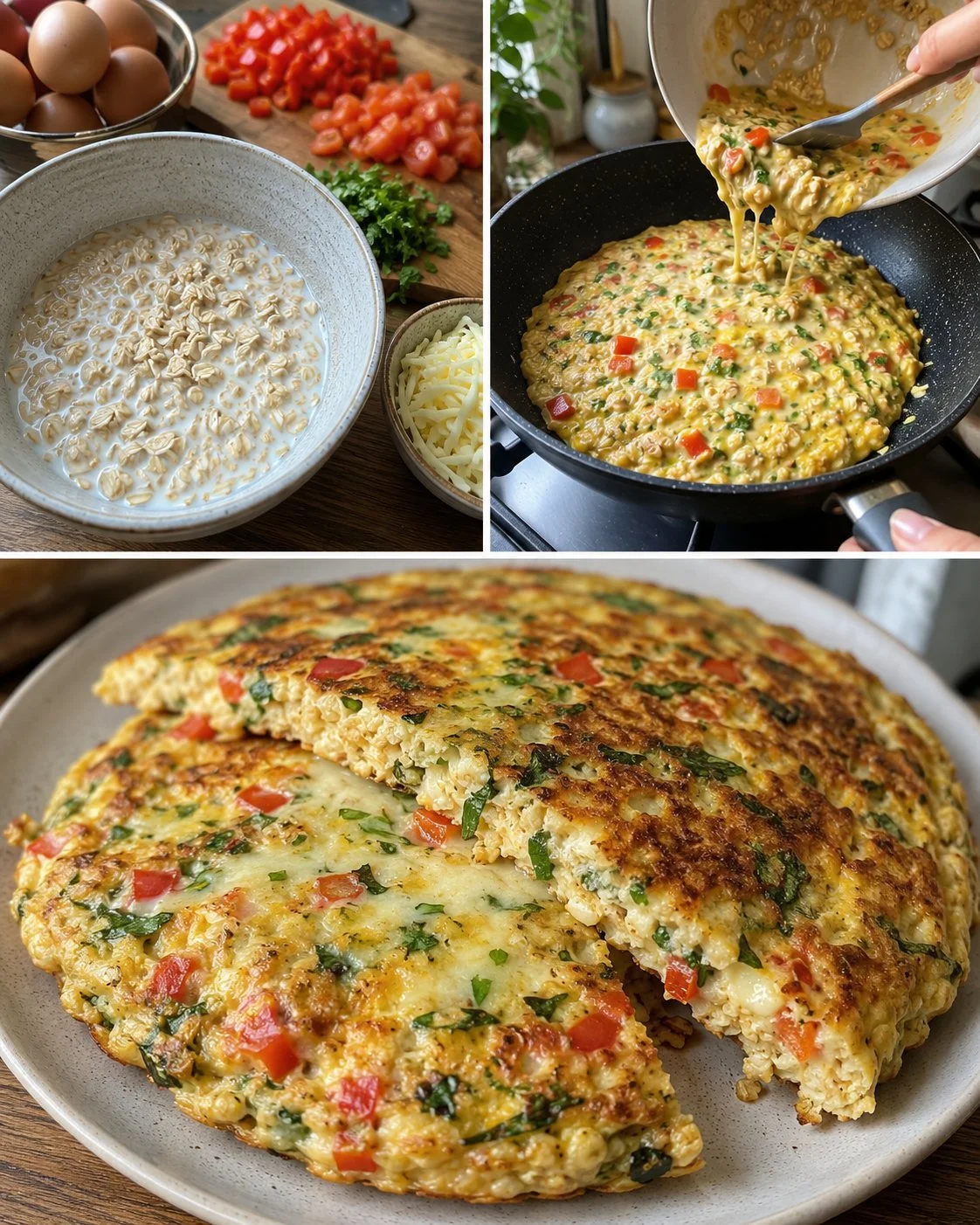
Turning oats into a savory omelet is one of my favorite “use what you have” breakfasts—filling like a grain bowl, but fast like scrambled eggs. You soak the oat flakes in milk for a few minutes so they soften, then fold them into eggs with chopped vegetables and melt cheese on top. It’s a practical, protein-forward meal with some extra fiber from the oats and veggies, but it can feel a bit heavy if you’re sensitive to richer breakfasts or larger portions.
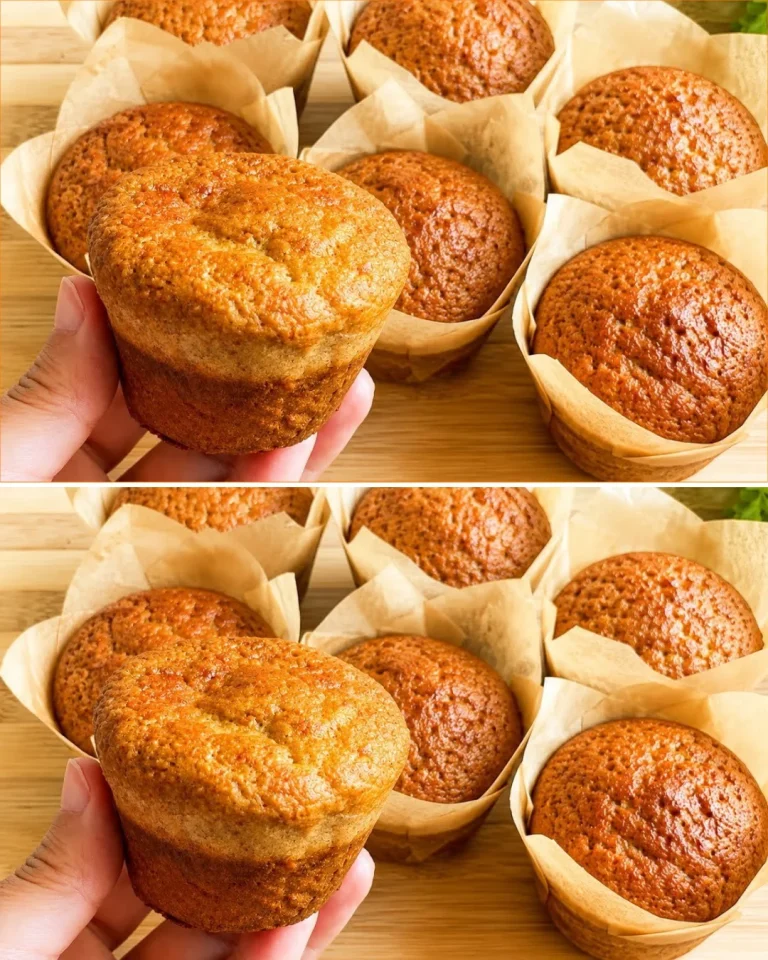
If you like easy, hearty breakfasts (or quick lunches) that don’t require baking, this one’s for you. The texture lands somewhere between a tender frittata and a thick pancake—soft in the middle with lightly crisp edges if you let the pan do its job. If you also enjoy oat-based savory meal prep, you might like these savory oatmeal muffins with cheese and vegetables for a grab-and-go option later in the week.
Why This Recipe Is Helpful
- Uses basic staples (oats, milk, eggs) plus whatever vegetables you need to use up.
- More filling than a plain omelet thanks to the oats and cheese.
- Works for breakfast, lunch, or a simple “breakfast for dinner” night.
- Easy to scale up—double it and cook in a larger skillet for two.
- Flexible: swap vegetables and herbs based on what’s in season or in your fridge.
- Balanced plate potential when served with unsweetened tea or fruit on the side.
Who This Recipe Is Best For
This is a great fit for home cooks who want a warm, savory meal that’s quick but still feels substantial. It’s also nice for anyone who finds plain oatmeal too sweet or too mushy—here, the oats become part of a fluffy egg base with vegetables and cheese for flavor.
If you cook for kids, the mild cheesy finish can help vegetables go over more easily (especially if you dice them small so the omelet holds together neatly).
Who Should Be Careful
- If you’re managing blood sugar: this recipe includes oats (carbs) and the suggested tea with honey adds more sugar. You may prefer less honey, a smaller portion, or pairing with extra protein/veg.
- If dairy doesn’t sit well: milk and cheese can be swapped, but as written it’s dairy-forward.
- If you’re watching sodium: cheese and added salt can add up—taste carefully and season lightly.
- If you’re sensitive to very filling breakfasts: oats + eggs + cheese can be a lot first thing; consider a half portion with fruit.
Ingredients
- 1/2 cup oat flakes (about 45 g)
- 1/2 cup milk (120 ml)
- 2 large eggs
- 1/4 teaspoon kosher salt (or to taste)
- 1/8 teaspoon black pepper (or to taste)
- 1/2 bell pepper, finely diced (about 1/2 cup / 75 g)
- 1 medium tomato, seeded and diced (about 3/4 cup / 130 g)
- 2 tablespoons chopped fresh herbs (about 6 g; parsley, dill, or cilantro)
- 2 green onions (scallions), thinly sliced (about 1/4 cup / 25 g)
- 1/3 cup shredded cheese (about 35–45 g; cheddar, mozzarella, or a blend)
- 1 teaspoon olive oil or butter, for the pan (5 ml / 5 g)
To serve (optional, from the original idea):
- Black tea, 1 cup (240 ml)
- Honey, 1–2 teaspoons (7–14 g), to taste
Ingredient Notes
- Oat flakes: Regular rolled oats work best here. Quick oats can turn softer and more porridge-like; still tasty, just less structure.
- Milk: Any milk works. Whole milk gives a richer omelet; lower-fat milk keeps it lighter. Unsweetened soy milk also works well.
- Tomato: Seeding it helps prevent a watery omelet. If your tomatoes are very juicy, pat the dice dry with a paper towel.
- Cheese: Choose something that melts smoothly. A sharper cheese (cheddar) gives more flavor with less quantity.
- Honey with tea: Totally optional. If you prefer a savory breakfast, skip the honey or keep it minimal.
Kitchen Tools Needed
- Mixing bowl
- Fork or whisk
- Cutting board and knife
- Nonstick or well-seasoned skillet (8–10 inch / 20–25 cm)
- Spatula
- Lid for the pan (helpful for melting cheese)
Step-by-Step Instructions
- Soften the oats. In a bowl, stir together the oat flakes and milk. Let stand 5–10 minutes while you chop the vegetables. You’re looking for oats that look hydrated, not swimming in milk.
- Prep the vegetables. Dice the bell pepper small and seed/dice the tomato. Slice green onions and chop herbs. (Small pieces make the omelet easier to flip or fold.)
- Whisk the eggs. In a second bowl (or clear a space in the same bowl), whisk the eggs with salt and black pepper until the whites and yolks are fully blended.
- Combine. Add the soaked oat mixture to the eggs and stir until evenly mixed. Fold in the bell pepper, tomato, herbs, and green onion.
- Heat the pan. Warm a skillet over medium-low heat and add the olive oil or butter. When the oil shimmers or the butter foams, you’re ready.
- Cook gently. Pour in the mixture and spread it evenly with a spatula. Cook on low to medium-low for about 5–7 minutes, until the edges are set and the center looks mostly set but still slightly glossy.
- Add cheese and finish. Sprinkle cheese over the top. Cover the pan with a lid and cook 1–2 minutes more, until the cheese is melted and the omelet feels set when you gently shake the pan.
- Serve. Slide onto a plate and cut into wedges. Serve with black tea; add honey if you want a sweet contrast.
Pro Tips
- Keep the heat on the low side. Oats and eggs can brown before the center sets if the pan is too hot.
- Dice vegetables small. Big chunks make the omelet prone to breaking and can keep the center undercooked.
- Seed the tomato. This one step really helps the omelet stay fluffy instead of wet.
- Use a lid for the last minute. It melts cheese quickly without overcooking the bottom.
- Let it rest 1 minute before slicing. It firms up and cuts cleaner.
Healthier or Lighter Swaps
- Use less cheese (or a stronger cheese) to keep flavor while reducing richness.
- Swap whole milk for lower-fat milk or unsweetened soy milk.
- Skip or reduce the honey in the tea, or use cinnamon/vanilla in the tea for aroma without sweetness.
- Add more vegetables (like spinach or mushrooms) for volume with fewer calories—just cook mushrooms first to avoid extra moisture.
Common Mistakes
- Not soaking the oats: they’ll stay firm and the texture can feel raw.
- Cooking on high heat: browned bottom, undercooked middle.
- Using watery tomatoes without seeding: the omelet can weep liquid and turn soft.
- Over-salting early: cheese adds salt; season lightly and adjust next time if needed.
Variations
- Mediterranean: use feta, parsley, and add a pinch of dried oregano.
- Spicy: add a pinch of chili flakes or a spoon of diced jalapeño.
- Greens-focused: replace half the bell pepper with a handful of chopped spinach (stir in at the end so it doesn’t release too much water).
- Extra-protein: add a few spoonfuls of cooked shredded chicken or turkey (keep it modest so the omelet still holds together).
Serving Suggestions
- Serve with black tea and a small drizzle of honey if you like sweet-and-savory.
- For a more balanced plate, pair with fresh fruit or sliced cucumbers/tomatoes on the side.
- If you want it more lunch-like, add a simple green salad with lemon and olive oil to cut the richness.
Storage Instructions
Let leftovers cool, then store in an airtight container in the refrigerator for up to 2 days. (The oats continue to absorb moisture, so the texture will be a bit softer the next day.)
Reheating Tips
Reheat in a skillet over low heat with a lid for 2–4 minutes, or microwave in 20–30 second bursts until just warmed through. Try not to overheat or it can turn rubbery.
Nutrition Estimate
Per serving (makes 2 servings): ~320 calories, ~19 g protein, ~25 g carbs, ~16 g fat.
Values are estimates and will vary depending on milk type, cheese choice, and portion size (and whether you add honey).
Recipe Summary
- Prep Time: 10 minutes
- Cook Time: 8–10 minutes
- Total Time: 18–20 minutes
- Servings: 2
- Cuisine: Everyday / International
- Course: Breakfast or Lunch
- Calories: ~320 per serving (estimate)