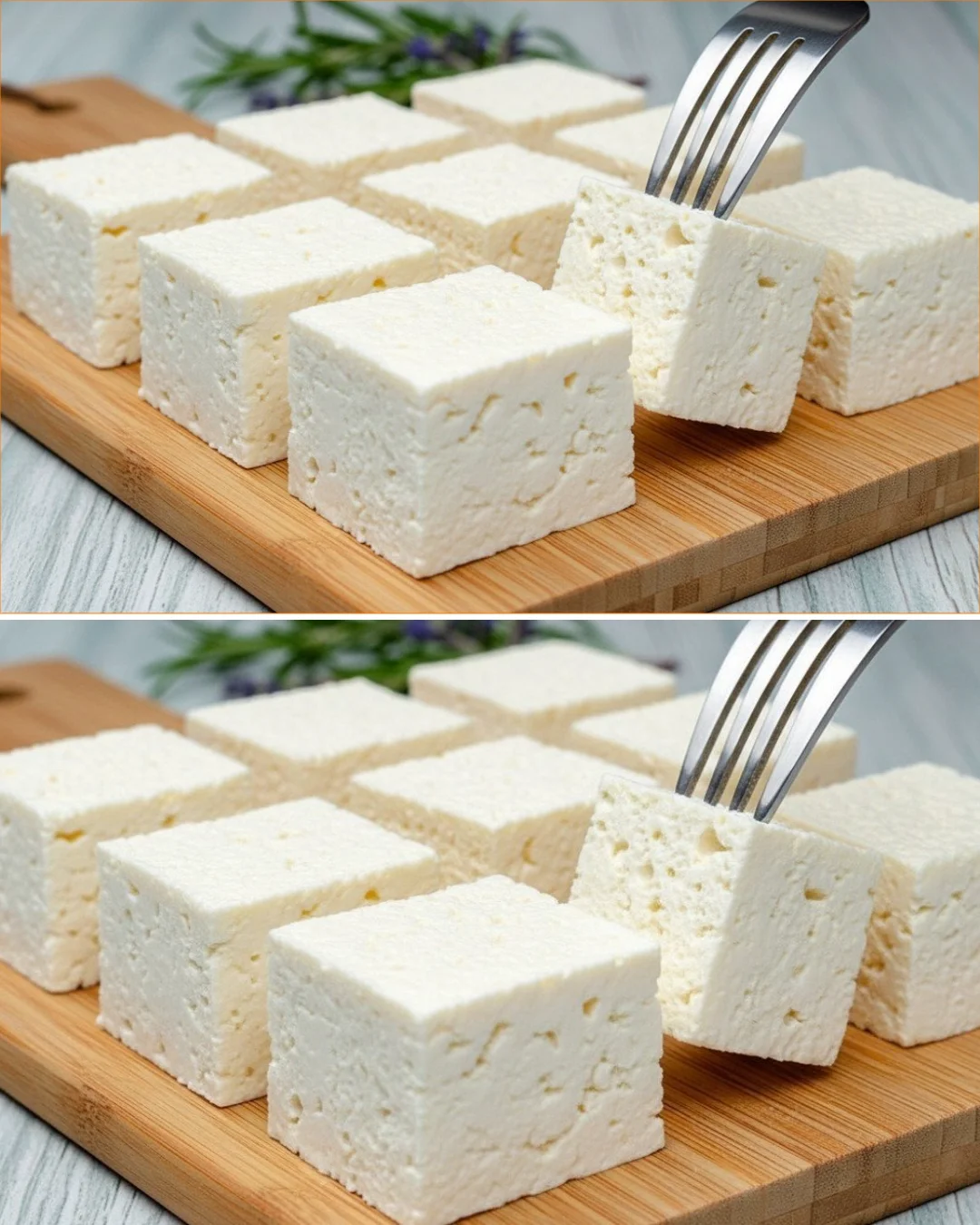
Making homemade feta cheese is not only a rewarding project but also a fantastic way to enhance your culinary repertoire. With just a few ingredients and a little patience, you can create a creamy, tangy cheese that’s perfect for salads, sandwiches, or just snacking. I recently delved into this process, and let me tell you—the freshness and flavor of homemade feta far surpasses anything you can buy at the store. This project is great for both beginner and experienced cheese-makers alike. Plus, once you master the technique, you can experiment with different herbs and flavors to customize your cheese.
Why You’ll Love This Recipe
- It requires minimal ingredients that you likely already have.
- You can customize the flavor with herbs or spices to suit your taste.
- It’s a cost-effective way to enjoy fresh cheese at home.
- The texture is creamy and easy to spread, unlike some store-bought options.
- Making feta at home is a fun kitchen experiment that impresses guests.
Ingredients
- 2 liters (8 cups) whole milk
- Salt, to taste (about 1 tablespoon or 15 g)
- 40 ml (about 2.5 tablespoons) white vinegar
- 50 g (3.5 tablespoons) unsalted butter
- 1 cucumber, sliced
- 1 tomato, diced
- 1 raw sweet bell pepper, sliced
- Lettuce leaves, for serving
- Ground black pepper, to taste
- A drizzle of olive oil, for finishing
Ingredient Notes
- Milk: Whole milk yields the creamiest feta. Avoid using ultra-pasteurized milk, as it won’t curdle correctly.
- Vinegar: White vinegar is ideal for feta, but you can experiment with lemon juice for a different tang.
- Butter: This adds richness to the cheese. Make sure it’s unsalted to control the saltiness of your feta.
Kitchen Tools Needed
- Large pot
- Mixing bowl
- Hand mixer or food processor
- Cheese mold (or a small container with holes)
- Plastic wrap
Step-by-Step Instructions
- In a large pot over medium heat, combine the milk and salt. Stir gently until the salt has dissolved.
- Gradually add the vinegar while continuing to stir. Increase the heat and bring the mixture to a gentle boil. Continue boiling for about 5-7 minutes until the whey (the liquid) separates from the curd (the solid).
- Carefully transfer the curds into a mixing bowl using a slotted spoon. Allow the curds to cool for about 5 minutes.
- In the microwave, melt the butter until fully liquid. Pour the melted butter into the curd and blend with a hand mixer or food processor until smooth and creamy.
- Pour the cheese mixture into a mold or container lined with plastic wrap, smoothing the top. Cover and refrigerate for at least 2 hours to set.
- Meanwhile, prepare a fresh salad with the cucumber, tomato, bell pepper, and lettuce. Season with salt, black pepper, and a drizzle of olive oil.
- Once the cheese has set, slice it and place it on top of the salad for a fresh and hearty dish.
Pro Tips
- When boiling the milk, watch closely to prevent scorching; stir occasionally.
- For a firmer feta, let it sit in the fridge overnight before slicing.
- If the curds don’t separate well, check the temperature of the milk—it should be boiling lightly.
Common Mistakes to Avoid
- Avoid rushing the curd separation; undercooked curds will yield a crumbly texture and won’t set well.
- Be careful not to over-blend; a few chunks of curd can enhance the final texture.
Variations
- Herbed Feta: Add 1 tablespoon of dried oregano or thyme when blending for a herby flavor.
- Spicy Feta: Mix in a pinch of red pepper flakes for a spicy kick.
- Garlic Feta: Blend in 1-2 cloves of minced garlic to enhance the flavor profile.
Serving Suggestions
Serve slices of your freshly made feta atop a colorful salad, or pair it with crusty bread and olives for a delightful appetizer.
Storage Instructions
Store your feta cheese in an airtight container in the refrigerator. It will stay fresh for up to a week. To prolong its shelf life, cover it in a light brine made from salt and water.
Reheating Tips
While feta is typically enjoyed fresh, if you have any leftover dishes, gently warm in the oven at a low temperature to avoid melting completely.
Nutrition Estimate
- Calories: ~150 per serving
- Protein: 5 g
- Carbohydrates: 2 g
- Fat: 12 g
Recipe Summary Card
- Prep Time: 15 minutes
- Cook Time: 10 minutes
- Total Time: 2 hours 25 minutes (including chilling time)
- Servings: 4
- Cuisine: Mediterranean
- Course: Appetizer/Salad
- Calories: 150
Frequently Asked Questions
-
Can I use low-fat milk for this recipe?
- Low-fat milk will yield a less creamy feta, and the curds might not separate as well.
-
What if my curds aren’t separating?
- Ensure the milk is at a rolling boil and that you’re using fresh vinegar.
-
How can I use leftover whey?
- Use whey in soups, smoothies, or bread recipes for added nutrition.
-
Can I make feta using non-dairy milk?
- Non-dairy milk won’t yield the same texture or flavor; it’s best to stick with dairy milk.
-
How long does homemade feta last?
- Feta can last up to a week when stored properly in the fridge.
Conclusion
Homemade feta cheese is a delightful addition to any meal, and with this recipe in your repertoire, you’ll impress your family and friends with your cheese-making prowess. Enjoy every crumb of this creamy delight!
Tested Note
I made this cheese twice and found that letting it chill longer enhances its flavor and texture, resulting in an even creamier feta.
Homemade Feta Cheese
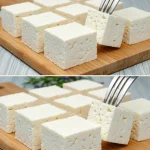
A rewarding project that results in creamy, tangy feta cheese perfect for salads, sandwiches, or snacking.
For the cheese
- 2 liters whole milk (Whole milk yields the creamiest feta. Avoid using ultra-pasteurized milk.)
- 15 g salt, to taste (about 1 tablespoon)
- 40 ml white vinegar (about 2.5 tablespoons) (White vinegar is ideal, but lemon juice can be used for a different tang.)
- 50 g unsalted butter (about 3.5 tablespoons) (Use unsalted butter to control saltiness.)
For serving
- 1 whole cucumber, sliced
- 1 whole tomato, diced
- 1 whole raw sweet bell pepper, sliced
- Lettuce leaves for serving
- Ground black pepper, to taste
- A drizzle of olive oil, for finishing
Preparation
- In a large pot over medium heat, combine the milk and salt. Stir gently until the salt has dissolved.
- Gradually add the vinegar while continuing to stir. Increase the heat and bring the mixture to a gentle boil. Continue boiling for about 5-7 minutes until the whey separates from the curd.
- Carefully transfer the curds into a mixing bowl using a slotted spoon. Allow the curds to cool for about 5 minutes.
- In the microwave, melt the butter until fully liquid. Pour the melted butter into the curd and blend with a hand mixer or food processor until smooth and creamy.
- Pour the cheese mixture into a mold or container lined with plastic wrap, smoothing the top. Cover and refrigerate for at least 2 hours to set.
- Meanwhile, prepare a fresh salad with the cucumber, tomato, bell pepper, and lettuce. Season with salt, black pepper, and a drizzle of olive oil.
- Once the cheese has set, slice it and place it on top of the salad for a fresh and hearty dish.
When boiling the milk, watch closely to prevent scorching; stir occasionally. For a firmer feta, let it sit in the fridge overnight before slicing. Avoid rushing the curd separation and be careful not to over-blend.