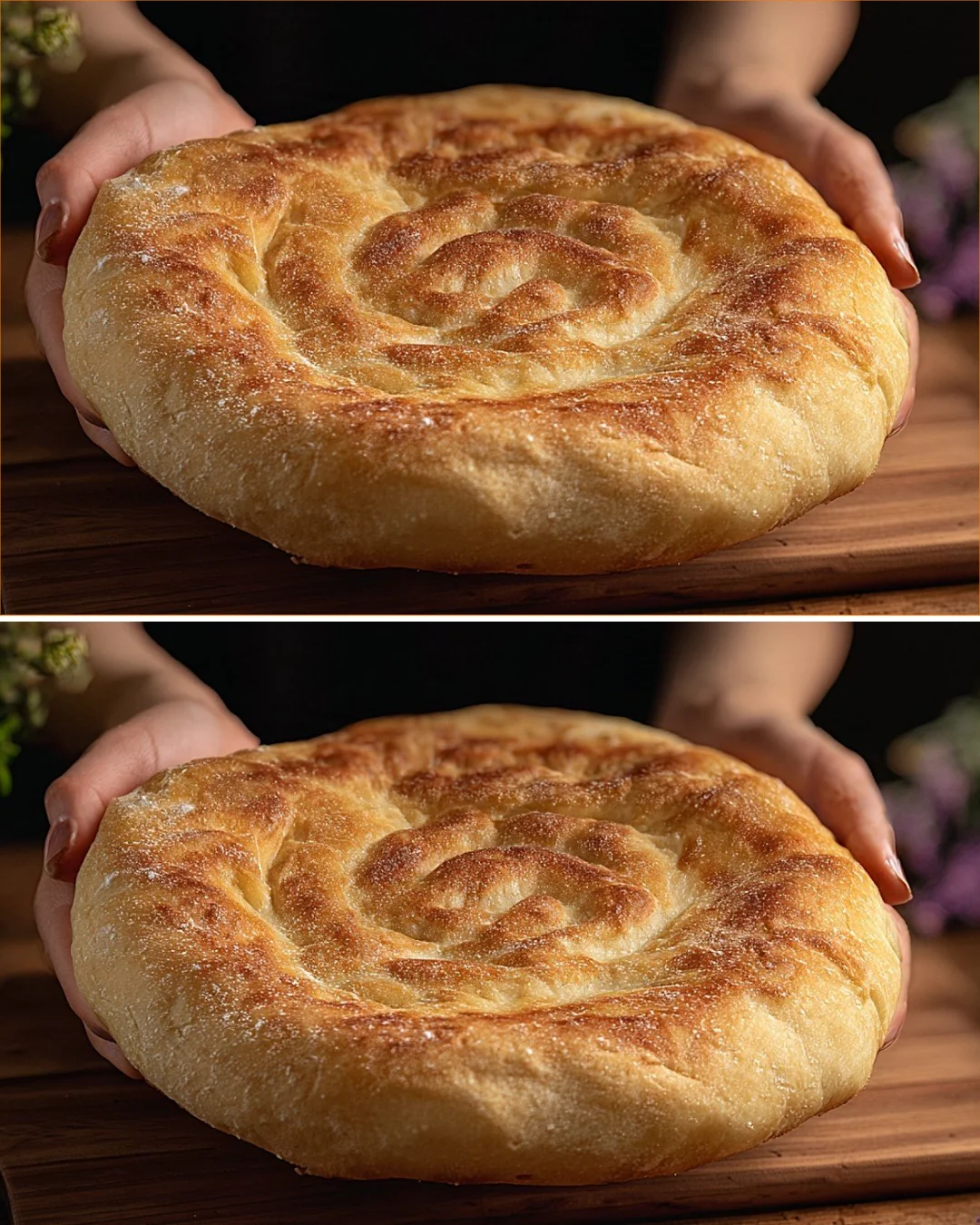
Bread baking is an art and a simple pleasure. This classic Turkish-style bread recipe shows how to create soft, elastic dough with a crisp crust that tastes freshly baked and homemade. It uses basic pantry ingredients and straightforward techniques, making it ideal for home cooks wanting to master bread without stress. Plus, it’s made with minimal sugar and oil, so it balances well between richness and healthfulness. If you enjoy wholesome baking, you’ll appreciate how this recipe’s steps help develop flavor and texture naturally, complementing everyday meals. For those interested in practical cooking ideas, you might also find this simple egg and potato dish worth trying alongside fresh bread.
Why This Recipe Is Helpful
- Uses simple, easy-to-find ingredients suitable for many kitchens.
- Combines hands-on kneading and resting times for a well-developed, soft dough.
- Yields bread with a crunchy golden crust and light, tender crumb.
Best For
This bread is perfect for anyone who enjoys baking from scratch and wants an everyday loaf that pairs well with all kinds of meals—from soups to sandwiches.
Be Careful If
The dough involves yeast, which requires active rising; make sure your kitchen is warm enough. Also, people with gluten intolerance should avoid this recipe as it contains wheat flour.
Ingredients
- 350 ml (1.5 cups) warm water
- 5 g (1.5 teaspoons) dry yeast
- 1/2 teaspoon sugar
- 1/2 teaspoon salt
- 500 g (3.8 cups) all-purpose flour, sifted
- 10 ml (2/3 tablespoon) vegetable oil
- 1 chicken egg, beaten (for brushing)
Ingredient Notes
- Warm water should be around 38-43°C (100-110°F) to activate yeast properly without killing it.
- Dry yeast is preferred for convenience; fresh yeast can be substituted if adjusted accordingly.
- Vegetable oil keeps the dough moist and improves crust texture; olive oil may add a different flavor if preferred.
- The beaten egg gives the bread a shiny, golden finish after baking.
Kitchen Tools Needed
- Large mixing bowl
- Spatula or wooden spoon
- Plastic wrap or cling film
- Baking sheet lined with parchment paper
- Pastry brush
- Oven preheated to 220°C (428°F)
Step-by-Step Instructions
- In a large bowl, stir together warm water, dry yeast, sugar, and salt until the yeast dissolves. Let it sit for 5 minutes until it becomes frothy.
- Add the sifted flour gradually to the yeast mixture, mixing initially with a spatula until a rough dough forms.
- Knead the dough on a clean surface or in the bowl by hand for 5 to 10 minutes, until it is soft, elastic, and slightly tacky but not sticky.
- Lightly grease the dough with vegetable oil, shape it into a round ball, and cover it with cling film. Let it rest in a warm place for 40 minutes, allowing it to rise and double in size.
- After resting, wet your hands to prevent sticking and stretch the dough gently. Fold it several times on itself, shaping it again into a ball. Cover and let it rest for another 30 minutes.
- Preheat your oven to 220°C (428°F). Prepare a baking sheet lined with parchment paper and lightly grease the paper with vegetable oil.
- Place the dough on the prepared sheet. Press it gently to stretch and round it out. Use your fingers to make small indentations across the surface evenly. Brush the top with the beaten egg to add shine.
- Bake in the center of the oven for 25–30 minutes until the bread is golden brown and the crust feels crisp. Remove and allow to cool slightly before serving.
Pro Tips
- Use lukewarm water for yeast activation; too hot or cold water affects rising.
- Kneading by hand develops gluten better than using a spatula alone—don’t rush this step.
- Resting the dough twice improves its texture and flavor depth.
- Don’t skip brushing the egg wash, as it adds a beautiful color and light crispness.
Lighter Swaps
Because the recipe uses minimal sugar and oil, swapping ingredients may alter texture and flavor; however, you could try using olive oil for a healthier fat alternative. Avoid reducing egg wash for the crust, as it impacts the appearance greatly.
Common Mistakes
- Using water that’s too hot can kill the yeast, preventing the dough from rising.
- Insufficient kneading may result in dense bread with poor texture.
- Not allowing the dough enough time to rest and rise affects the bread’s lightness.
Serving Suggestions
Enjoy the bread warm with butter, cheese, or alongside a homemade soup for a comforting meal. It also makes excellent sandwich bread with fresh fillings.
Storage Instructions
Store the bread wrapped loosely in a clean kitchen towel or paper bag at room temperature for up to 2 days to maintain the crust. For longer storage, freeze sliced portions in a sealed bag.
Reheating Tips
Warm in an oven preheated to 180°C (356°F) for 5–7 minutes to refresh crust crispness and soften the crumb. Avoid microwave reheating to preserve texture.
Nutrition Estimate
- Calories: approx. 175 per serving slice
- Protein: 5 g
- Carbohydrates: 35 g
- Fat: 2 g
Values are estimates and may vary by ingredients and portion size.
Recipe Summary
- Preparation Time: 15 minutes
- Cooking Time: 25–30 minutes
- Total Time: About 1 hour 30 minutes (including resting)
- Servings: 8 slices
- Cuisine: Turkish-inspired
- Course: Bread / Side
- Calories: Approx. 175 per slice
Frequently Asked Questions
Q: Can I use whole wheat flour instead of all-purpose flour?
A: You can substitute some or all with whole wheat flour, but expect a denser texture and adjust liquid as whole wheat absorbs more.
Q: How do I know if the bread is fully baked?
A: The crust should be golden and firm. Tapping the bottom of the loaf should sound hollow.
Q: Can I prepare this dough in advance?
A: Yes, refrigerate after the final resting stage overnight and bake the next day, adjusting for extra rising time at room temperature before baking.
Conclusion
This Turkish-style bread recipe is an approachable way to enjoy bakery-quality bread at home. Its straightforward ingredients and techniques deliver a crusty, flavorful loaf fresh from your oven. Perfect for small family meals or daily enjoyment, it offers a satisfying baking experience that enriches your kitchen routine.