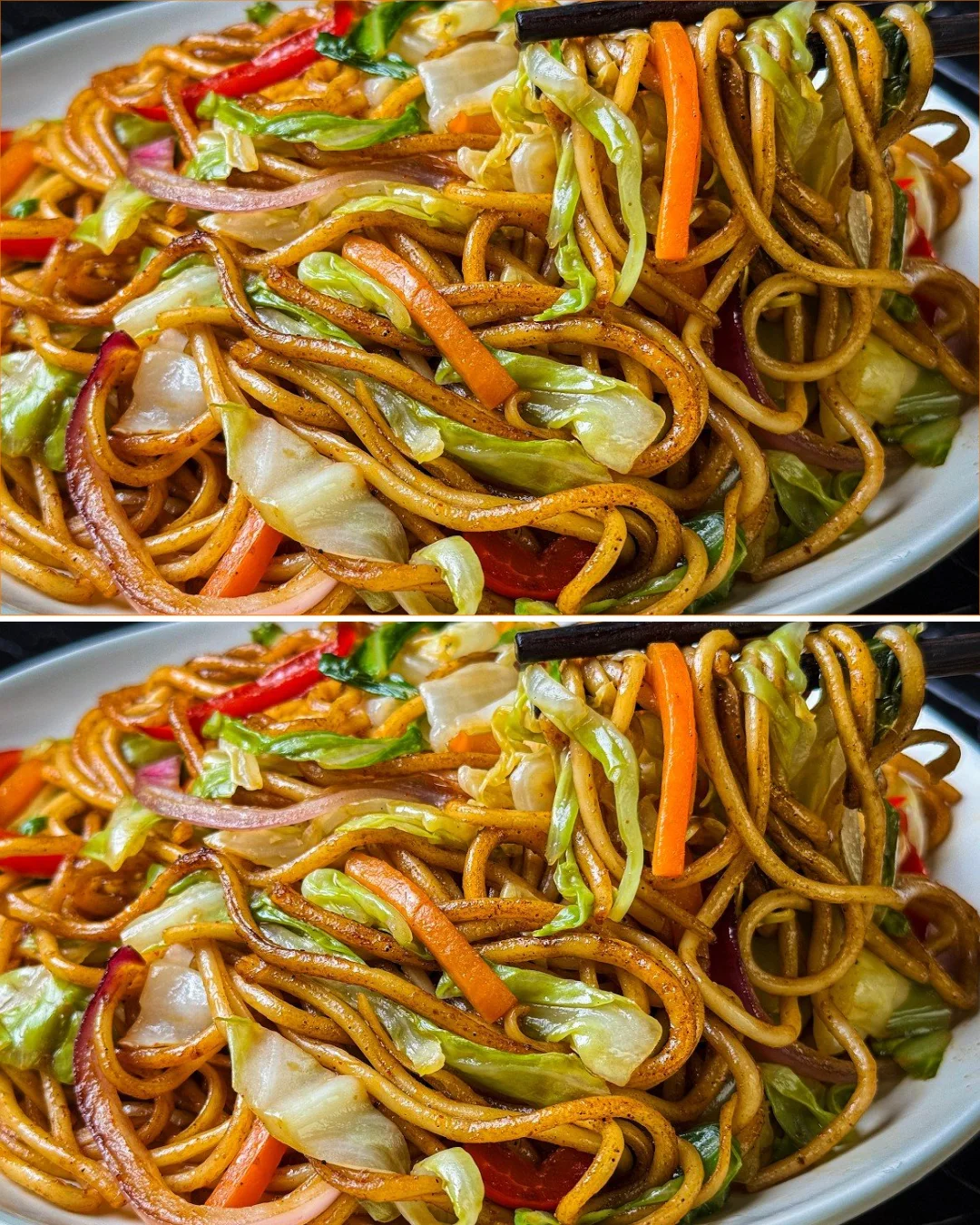
This takeout-style veggie chow mein offers a quick and satisfying meal that’s packed with fresh vegetables and flavorful noodles. It’s a great option for anyone looking to enjoy a homemade version of a classic, restaurant favorite without the grease or preservatives. The dish balances tender-crisp cabbage, sweet bell pepper, and carrots with savory soy and oyster sauce for a comforting yet light dinner. Perfect for vegetarians, or anyone wanting a simple, veggie-focused dinner, this chow mein keeps things wholesome while still feeling indulgent. For those who enjoy replicating Chinese takeout flavors at home, this approach is both practical and rewarding, also fitting nicely into everyday meal rotation. For more inspiration on similar stir-fried noodle dishes, check out the tips on making chicken chow mein better than takeout.
Why This Recipe Is Helpful
- Uses simple, whole ingredients common in most kitchens.
- Quick cooking steps suited for busy weeknights.
- Balanced vegetable and sauce ratio for authentic flavor without excess oil.
Best For
This recipe is great for home cooks looking for a vegetable-rich, meatless Asian-inspired dinner that’s fast and easy to prepare.
Be Careful If
Those sensitive to sodium may want to adjust the soy and oyster sauce quantities, as these ingredients can add quite a bit of saltiness.
Ingredients
- 7 oz (200 g) dried chow mein or thin egg noodles
- 7 oz (200 g) cabbage, shredded or chopped
- 2 oz (60 g) carrot, julienned or thinly sliced
- 1/4 red bell pepper, thinly sliced
- 1/2 medium onion, divided into halves
- 2 tsp light soy sauce
- 1/2 tsp dark soy sauce
- 1 tsp oyster sauce
- 1/4 tsp black pepper
- 1 1/2 tbsp (22 ml) water
- Neutral oil (such as vegetable or canola) for cooking
- Optional: pinch of paprika for extra color and mild smoky flavor
Ingredient Notes
- Use thin egg noodles or chow mein-style noodles for the best texture; thicker noodles won’t sear properly.
- Oyster sauce adds umami richness; vegetarians can substitute with vegetarian mushroom sauce or soy sauce.
- Light and dark soy sauces together provide balanced saltiness and deeper color.
- Fresh vegetables keep the dish from being heavy and contribute essential nutrients and fiber.
Kitchen Tools Needed
- Large pot for boiling noodles
- Strainer or colander
- Wok or large nonstick skillet
- Mixing bowl
- Cooking spatula or tongs
Step-by-Step Instructions
- Bring a large pot of water to a boil. Add the dried noodles and cook until about 70% done, roughly 2–3 minutes less than package instructions indicate. This ensures noodles finish cooking during stir-frying without becoming mushy.
- Drain noodles well and toss with a little oil to prevent sticking. Set aside.
- Heat 1 tablespoon oil in a wok or large skillet over medium heat. Add half the onion and stir-fry until the onion softens and becomes translucent, about 2–3 minutes.
- Add the carrot and cook for another 2 minutes until just tender.
- Add the cabbage and turn heat to high. Stir-fry for 2–3 minutes until cabbage wilts but still has a bit of crunch. Transfer the cooked vegetables to a plate.
- In a small bowl, mix the light soy sauce, dark soy sauce, oyster sauce, black pepper, and water. Set sauce aside.
- Add a bit more oil to the pan over medium heat. Spread the noodles in an even layer and let them sear without stirring for about 10 seconds. Flip and sear the other side for another 10 seconds. This gives the noodles a slight crispy texture.
- Toss noodles gently to loosen them. Optional: add a pinch of paprika and toss to enhance color and aroma.
- Add the sliced red bell pepper, remaining onion, and pour in the prepared sauce. Toss consistently so the noodles absorb the sauce evenly.
- Return the cooked vegetables to the pan and toss everything together quickly over high heat, about 1–2 minutes, until fully combined.
- Serve immediately while hot and enjoy your homemade takeout-style veggie chow mein.
Pro Tips
- Do not overcook the noodles in boiling water; undercooked noodles hold up better when stir-fried.
- High heat is essential when stir-frying vegetables to keep their texture bright and crisp.
- Add vegetables in stages—hardest first—to ensure even cooking.
- Toss noodles gently during searing to avoid breaking them up too much.
Lighter Swaps
- Use low-sodium soy sauce to reduce salt content.
- Replace oyster sauce with vegetarian mushroom stir-fry sauce for a vegan-friendly version.
- Serve with steamed greens or a simple cucumber salad for a lower-calorie overall meal.
Common Mistakes
- Overcooking noodles in the batter stage — leads to mushy texture in final dish.
- Overcrowding the pan — causes steaming instead of frying, losing that signature chow mein sear.
- Adding all vegetables at once — results in uneven texture.
Serving Suggestions
Serve this veggie chow mein on its own or with a side of steamed edamame or a fresh Asian slaw for a complete meal.
Storage Instructions
Store leftovers in an airtight container in the refrigerator for up to 2 days. Stir-fry or refresh thoroughly before eating.
Reheating Tips
Reheat gently in a skillet over medium heat with a splash of water or oil to prevent drying out. Avoid microwaving as it can make noodles chewy.
Nutrition Estimate (per serving, serves 2)
- Calories: 350
- Protein: 10 g
- Carbohydrates: 60 g
- Fat: 6 g
Values are estimates and may vary by ingredients and portion size.
Recipe Summary
Prep Time: 10 minutes
Cook Time: 15 minutes
Total Time: 25 minutes
Servings: 2
Cuisine: Chinese inspired
Course: Main dish
Calories: 350 per serving
Frequently Asked Questions
Can I add protein to this recipe?
Yes, cooked chicken, tofu, or shrimp can be added along with the vegetables for a higher-protein meal.
Is this recipe suitable for vegans?
To make it vegan, substitute oyster sauce with a vegetarian alternative and ensure noodles contain no egg.
Can I use fresh noodles instead of dried?
Fresh noodles cook faster but be careful to not over-soak or overcook before stir-frying.
This vegetable-packed chow mein offers a tasty and straightforward way to bring the charm of Chinese takeout into your kitchen without complexity. Its quick preparation and adaptable veggie foundation make it well worth adding to your weeknight meal plans.