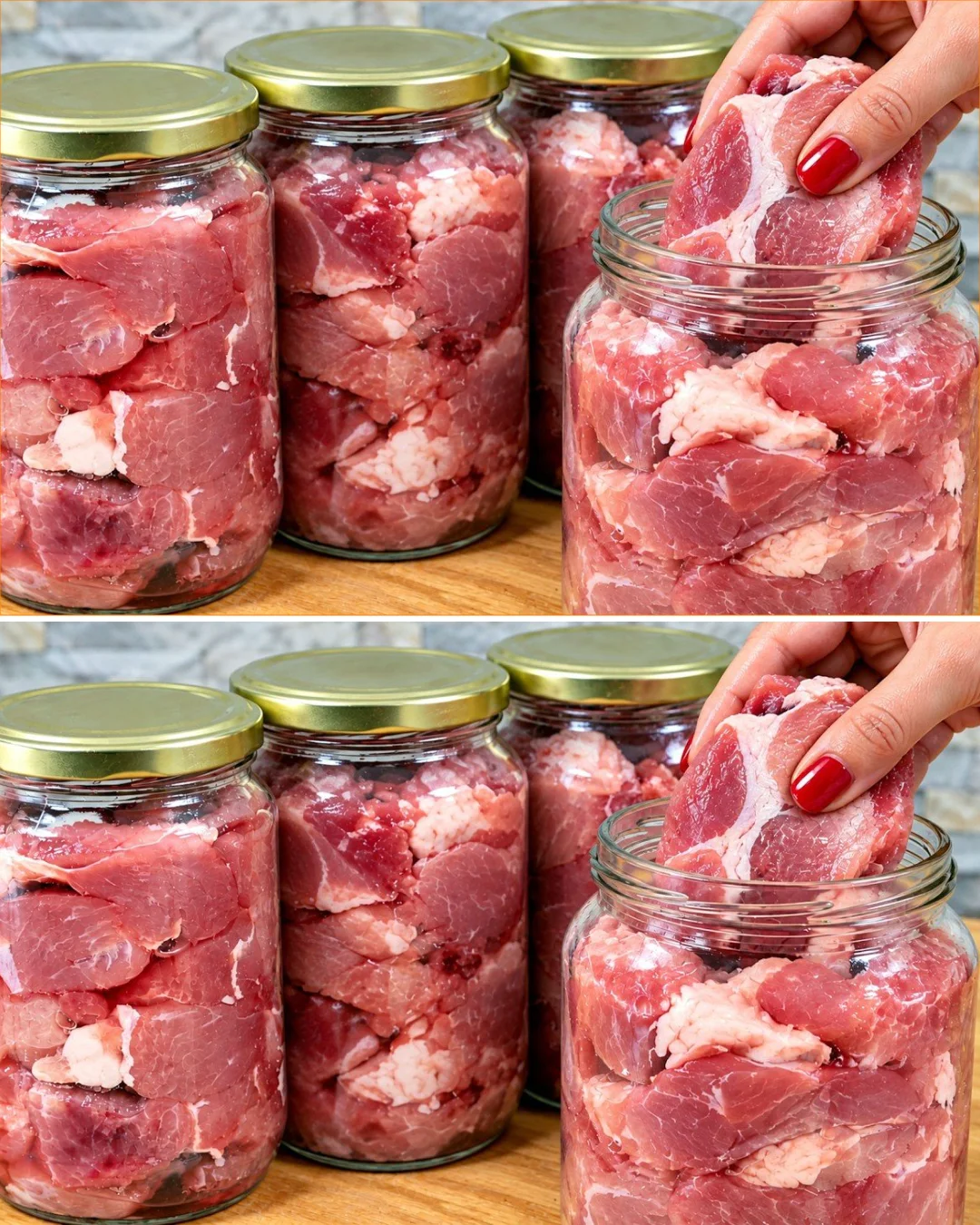
Preserving pork shoulder in jars is a traditional method that keeps meat fresh for years without freezing. This technique uses salt and heat to create a sealed environment, allowing you to store flavorful pork that’s ready to reheat and enjoy whenever you want. It’s an excellent solution for those who want to avoid the texture changes caused by freezing and prefer homemade, shelf-stable options. This recipe is well suited for anyone who often cooks pork and wants to organize their kitchen with long-lasting ingredients. Keep in mind, salted and preserved meats are rich in protein but can be high in sodium, so moderation is recommended.
Why This Recipe Is Helpful
- Keeps pork shoulder safely preserved for extended periods without the need for a freezer.
- Saves time on busy days since the meat is ready to reheat and serve.
- Allows for controlling the ingredients and avoiding commercial preservatives.
Best For
Ideal for home cooks who enjoy preparing large batches of meat and want a practical, shelf-stable option. It’s perfect for families or individuals who plan meals ahead and like to have ready-to-use pork readily available.
Be Careful If
This recipe involves a significant amount of salt, so people monitoring their sodium intake should consume this preserved meat cautiously. Also, the boiling process requires careful handling of hot water and jars.
Ingredients
- 4 1/2 pounds (2 kg) pork shoulder, cut into smaller pieces
- 20 grams salt per pound (approximately 2 tablespoons per 450 g) of meat
Ingredient Notes
- Use a well-marbled pork shoulder for moist, tender preserved meat.
- Salt is vital for preservation – do not reduce the quantity significantly to ensure safety.
- If needed, kosher or sea salt can substitute regular table salt.
Kitchen Tools Needed
- Deep mixing bowl
- Clean glass preserving jars with lids
- Large deep pot for boiling
- Cloth or towel for the pot bottom
- Tongs or jar lifter for safe handling
Step-by-Step Instructions
- Cut the pork shoulder into smaller, uniform pieces for even salting and packing.
- In a deep bowl, mix the pork pieces with 20 grams of salt per pound until each piece is thoroughly coated.
- Wash and sterilize the jars and lids by boiling or running them through a dishwasher cycle.
- Pack the salted pork shoulder pieces tightly into the jars, leaving about 1 inch (2.5 cm) of headspace at the top.
- Wipe the rims of the jars clean to ensure a proper seal, then close with lids securely.
- Place a cloth at the bottom of a large deep pot to prevent jars from direct contact and cracking. Position the jars inside the pot.
- Pour water into the pot until it reaches the level of the jar lids.
- Cover the pot and bring the water to a boil. Boil the jars for 3 hours, carefully topping up with hot water to maintain the level.
- After boiling, turn off the heat and let the jars cool in the water completely before removing.
- Once cool, check the lids; the center should be concave indicating a good vacuum seal.
- Store the jars in a cool, dark place like a cellar or pantry until ready to use.
- Before serving, reheat the meat by frying or boiling for 10 minutes to ensure it’s hot and flavorful.
Pro Tips
- Always handle hot jars with care to avoid burns or breakage.
- Use a kitchen scale for salt to ensure precise preservation.
- Salt evenly distributed is key to a safe and tasty product.
- Label jars with the date of preparation for best usage tracking.
Lighter Swaps
This preservation method relies heavily on salt, so there are no lighter salt substitutes without compromising safety. For a leaner option, choose pork shoulder with less visible fat.
Common Mistakes
- Not sterilizing jars properly, which can cause spoilage.
- Insufficient salting leading to unsafe preservation.
- Boiling jars without enough water, risking jar damage and poor seals.
Serving Suggestions
Reheated pork shoulder is excellent as a protein addition to salads, sandwiches, or hearty stews. It pairs well with rustic bread and simple sides like roasted vegetables or mashed potatoes.
Storage Instructions
Store sealed jars in a cool, dark, and dry place. Once opened, keep any unused meat refrigerated and consume within a few days.
Reheating Tips
The meat can be reheated gently by pan-frying or simmering in water for 10 minutes to retain moisture and flavor without drying out.
Nutrition Estimate
- Calories: Approximately 300 kcal per 100 g serving
- Protein: About 25 g
- Carbohydrates: 0 g
- Fat: Roughly 20 g
Values are estimates and may vary by ingredients and portion size.
Recipe Summary
- Prep Time: 15 minutes
- Cook Time: 3 hours
- Total Time: 3 hours 15 minutes
- Servings: About 10
- Cuisine: Preserved meat / Traditional
- Course: Main dish
- Calories: 300 kcal per 100 g
Frequently Asked Questions
Can I use other cuts of pork for this preservation method?
Yes, but pork shoulder’s fat content helps with flavor and texture. Leaner cuts may dry out during boiling.
How long does the preserved pork last unopened?
Stored correctly, it can last for several years, but ideally consume within 1-2 years for best quality.
Is it safe to eat the preserved pork without cooking?
No, always reheat the meat thoroughly before eating to ensure safety and palatability.
Conclusion
Preserving pork shoulder in jars is a brilliant way to enjoy tender, ready-to-use meat for months or even years. It’s practical for meal planning, reduces waste, and maintains great flavor and texture. This recipe offers a homemade alternative to freezing, perfect for anyone seeking long-lasting pork without sacrificing taste.
If you’d like a delicious idea to use preserved meats creatively, consider pairing it with a recipe like baked pasta with meat sauce and mozzarella for a comforting meal.