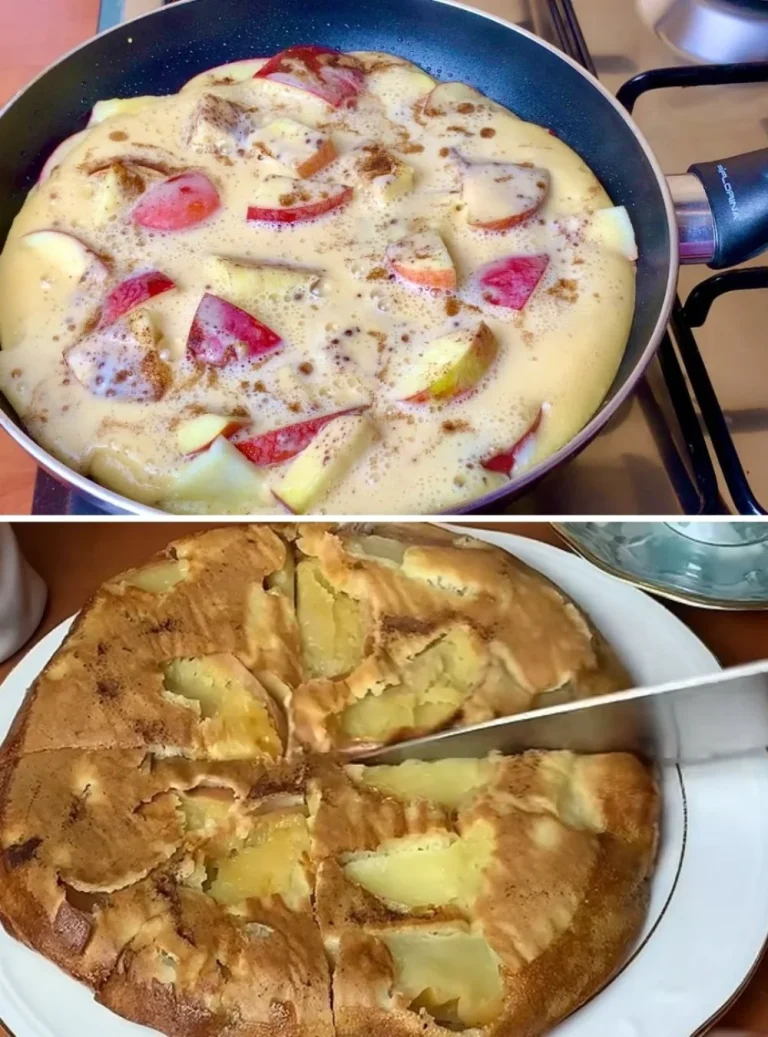
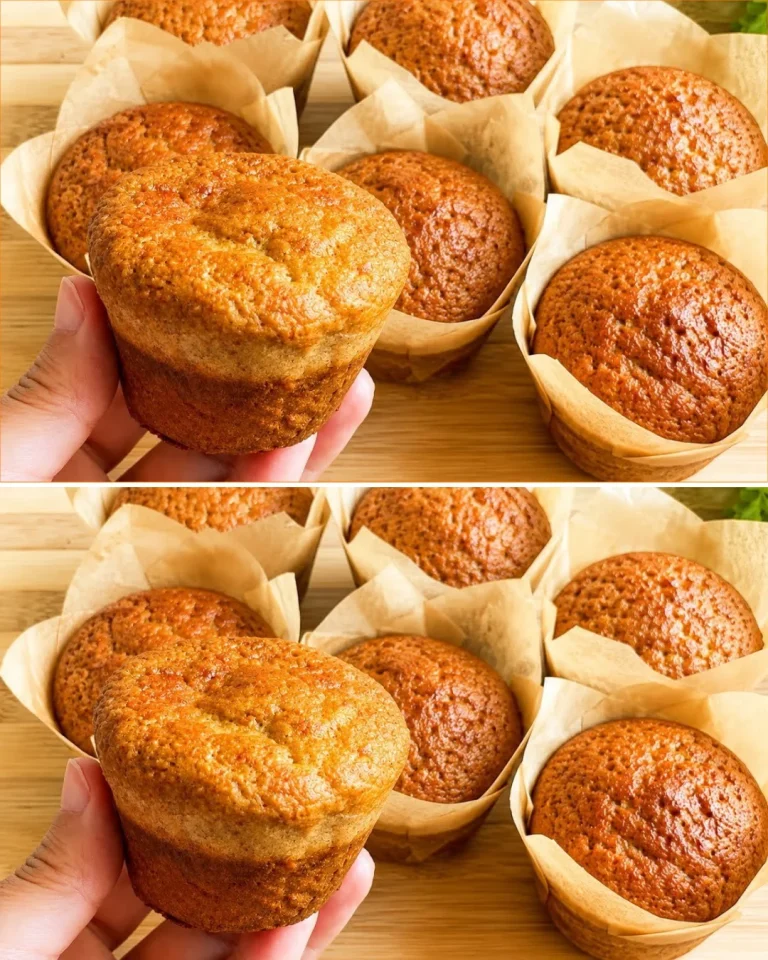
If you love a breakfast that feels like a treat but still keeps your morning simple, this peach oat blender cake is the kind of recipe you’ll come back to. Everything (except the pretty peach topping) gets whizzed in a blender, so you don’t need flour, you don’t need a mixer, and you definitely don’t need a sink full of bowls. The crumb bakes up soft and a little custardy in the center thanks to the yogurt and eggs, while the edges turn lightly golden and sliceable.
A couple things make the difference here: using ripe, fragrant peaches (not rock-hard ones) and letting the cake cool for a bit before cutting. Fresh from the oven it smells incredible, but the texture sets as it rests—so you get neat slices instead of a scoopable spoonful (unless you want it that way).
Why You’ll Love This Recipe
- Blended batter means no flour and no complicated steps.
- Naturally sweetened with maple syrup—sweet, but not sugary.
- Soft, custardy middle with lightly golden edges (the best contrast).
- Great for breakfast, snack, or an easy “not-too-sweet” dessert.
- Easy to customize with spices, fruit swaps, or extra crunch.
- Practical tip: cooling time matters here for clean slices and the right set.
Ingredients
- Rolled oats (old-fashioned) — 2 cups (180 g)
- Ripe peaches — 2 medium, divided
- Large eggs — 2
- Plain yogurt — 3/4 cup (180 g)
- Almond butter — 1/3 cup (85 g)
- Maple syrup — 1/4 cup (60 ml)
- Baking powder — 1 1/2 teaspoons
- Vanilla extract — 1 teaspoon
Ingredient Notes
- Rolled oats: Old-fashioned rolled oats blend smoothly and give the best texture. Quick oats work in a pinch, but the cake can bake up a little softer. Steel-cut oats are too hard for this method.
- Peaches: Ripe peaches make or break the flavor. If yours are a bit underripe, let them sit on the counter for a day or two until fragrant.
- Plain yogurt: Use regular or Greek yogurt. Greek yogurt makes the crumb slightly richer and a touch thicker. If using very thick Greek yogurt, you can loosen the batter with 1–2 tablespoons (15–30 ml) water or milk if needed.
- Almond butter: Stir it well first—separated almond butter can leave oily pockets. You can swap peanut butter or cashew butter for a different flavor.
- Maple syrup: Adds sweetness and moisture. Honey works too (same amount), though the flavor will be a bit more floral.
Kitchen Tools Needed
- Blender (high-speed is ideal, but a standard blender works)
- 8-inch (20 cm) round cake pan
- Parchment paper (recommended for easy removal)
- Measuring cups and spoons
- Knife and cutting board
- Cooling rack (helpful, not required)
Step-by-Step Instructions
-
Prep the oven and pan.
Heat your oven to 350°F (180°C). Line an 8-inch (20 cm) round pan with parchment paper (or grease it well). Parchment is the easiest way to get clean slices out later. -
Prepare the peaches.
Wash the peaches. Pit both. Roughly chop 1 peach for the batter. Slice the second peach thinly for the top (about 1/8-inch / 3 mm thick slices). -
Blend the batter until smooth.
In a blender, add:
2 cups (180 g) rolled oats, the chopped peach, 2 eggs, 3/4 cup (180 g) yogurt, 1/3 cup (85 g) almond butter, 1/4 cup (60 ml) maple syrup, 1 1/2 tsp baking powder, and 1 tsp vanilla.
Blend until the batter looks mostly smooth and creamy, scraping down once if needed. It should pour like a thick smoothie. -
Rest briefly (quick but helpful).
Let the batter sit in the blender (or a bowl) for 3–5 minutes. This gives the oats a moment to hydrate and helps the cake bake up more evenly. -
Fill the pan and top with peach slices.
Pour the batter into the prepared pan and smooth the top. Arrange the sliced peach over the batter (overlapping is nice). Gently press the slices in just a little so they adhere. -
Bake.
Bake for 35–40 minutes, until the cake is set, lightly golden at the edges, and the center springs back when you gently press it. A toothpick should come out mostly clean (a few moist crumbs are fine; wet batter is not). -
Cool before slicing.
Cool in the pan for 15 minutes, then slice. For the cleanest slices, cool closer to 30 minutes—the custardy crumb firms up as it rests.
Pro Tips
- Use ripe peaches: If they smell sweet, they’ll taste sweet once baked. Bland peaches stay bland.
- Don’t skip parchment: This cake is tender and can stick; parchment makes removal stress-free.
- Scrape the blender: Almond butter likes to cling to the sides—scrape once so the batter blends evenly.
- Watch the center: If the top is golden but the center still jiggles, give it 3–5 more minutes.
- Slice with a serrated knife: It cuts through the peach topping without dragging it.
Common Mistakes
- Cutting too soon: The middle needs time to set; slicing hot can make it seem underbaked.
- Using underripe peaches: You’ll miss the peach flavor and natural sweetness.
- Under-blending the oats: If the batter looks gritty, blend longer so the crumb isn’t coarse.
- Overbaking: This is meant to be soft; baking until completely dry will make it cakier and less custardy.
- Not stirring almond butter first: Separated almond butter can create oily streaks in the batter.
Variations
- Cinnamon-almond: Add 1/2 teaspoon cinnamon and a pinch of salt to the batter.
- Berry-peach: Add 1/2 cup (75 g) blueberries to the top along with the peach slices.
- Nectarine swap: Use nectarines instead of peaches (same amount, same method).
- Extra crunch: Sprinkle 2 tablespoons (20 g) sliced almonds on top for a toasted finish.
Serving Suggestions
- Serve warm with an extra spoonful of yogurt.
- For dessert, add a drizzle of maple syrup or a scoop of vanilla ice cream.
- If you’re packing it for breakfast, it’s great plain—easy to eat by hand once cooled.
Storage Instructions
- Store covered in the fridge for up to 4 days.
- For best texture, keep slices in a single layer or with parchment between pieces.
Reheating Tips
Warm slices in the microwave for 15–25 seconds, just until heated through. If you prefer a slightly firmer edge, reheat in a toaster oven or regular oven at 325°F (165°C) for about 6–8 minutes.
Nutrition Estimate
Per serving (1/8 of the cake), approximate:
- Calories: 175
- Protein: 7 g
- Carbs: 22 g
- Fat: 7 g
Recipe Summary
- Prep Time: 10 minutes
- Cook Time: 35–40 minutes
- Total Time: 50 minutes
- Servings: 8
- Cuisine: American
- Course: Breakfast / Snack
- Calories: ~175 per serving
Frequently Asked Questions
Can I make this without a blender?
A blender gives the smoothest texture. If you have a food processor, that works well too. Without either, you can try oat flour (blend oats elsewhere or buy oat flour) and mash the peach very well, but the crumb will be a bit different and less custardy-smooth.
Do I need to peel the peaches?
No. The peel softens as it bakes, and it saves time. If you dislike peach skin, go ahead and peel them.
How do I know it’s done if the center is soft?
This cake is meant to be tender. Look for a set center (no wet wobble), lightly golden edges, and a toothpick that comes out mostly clean with moist crumbs rather than wet batter.
Can I use frozen peaches?
Yes—thaw first and drain well. Frozen fruit adds extra moisture, so draining keeps the cake from baking up too wet.
Can I freeze it?
You can freeze slices wrapped well for up to 2 months. Thaw overnight in the fridge, then rewarm gently. The texture stays good, though the peach topping will be softer after freezing.
Conclusion
This is one of those reliable blender bakes that feels almost too easy for how good it is: soft, lightly sweet, and full of peach flavor with a cozy almond note. Keep it in the fridge for quick breakfasts, or serve it warm when you want something simple that still feels special.