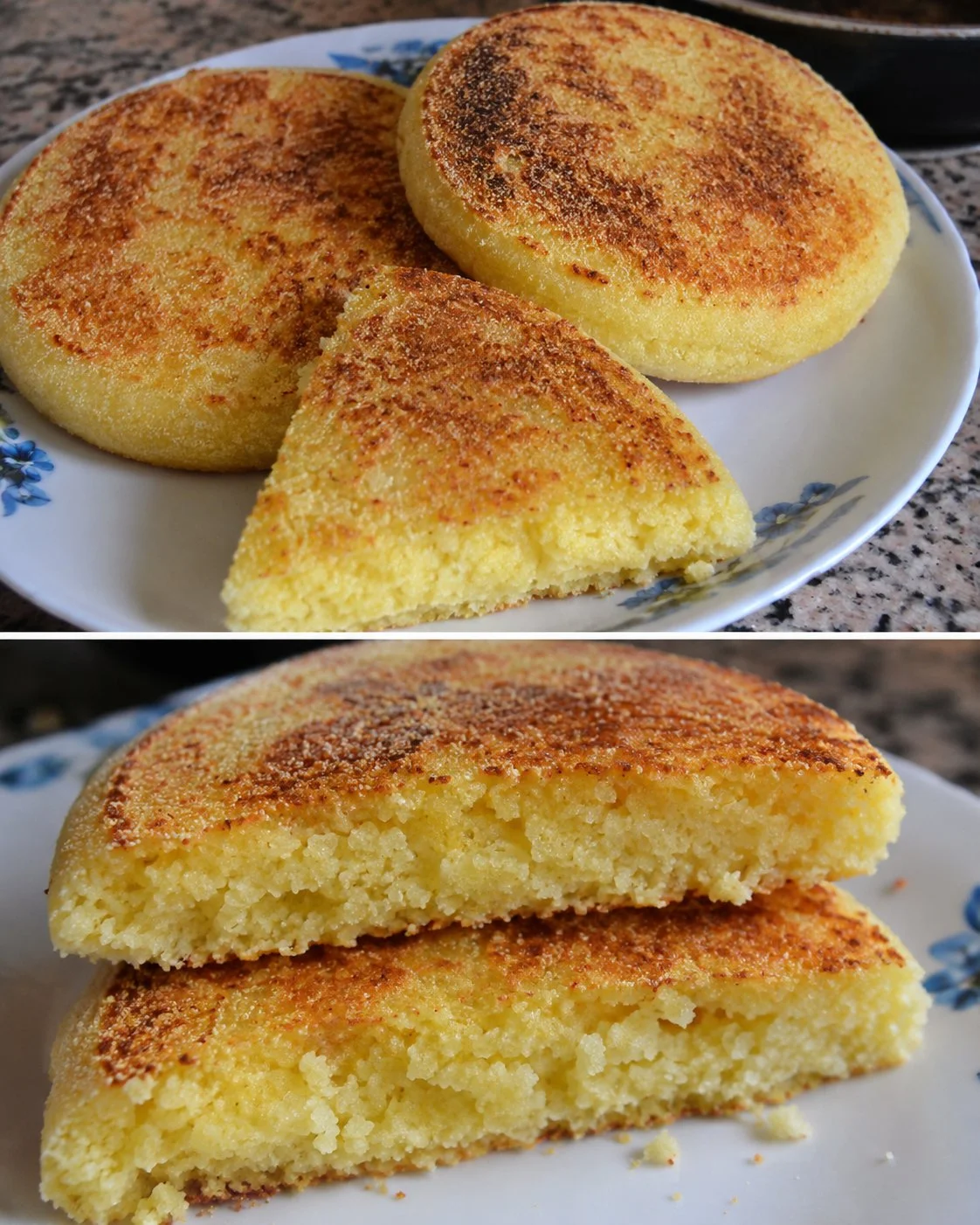
Moroccan Harcha is a semolina-based breakfast bread with a tender crumb and a beautifully golden crust. This recipe gives you a simple, rustic version that is quick to prepare and perfect for a cozy morning. Its rich butter and semolina blend produces a texture that’s slightly grainy yet soft, ideal for soaking up honey, jam, or spreads. While it’s indulgent due to the butter, it can be a satisfying and comforting start to your day, especially for those who enjoy traditional North African flavors. If you appreciate hearty, skillet-cooked breads, this recipe complements other wholesome dishes well and can fit nicely into varied breakfast menus.
Why This Recipe Is Helpful
- Uses simple pantry ingredients allowing easy assembly.
- No kneading required, making preparation quick and beginner-friendly.
- Skillet cooking saves oven energy and creates a delightful crust.
Best For
This recipe suits those who want a warm, homemade bread with a slightly nutty texture for breakfast or a snack. It’s also good for people who prefer quick bread recipes without yeast.
Be Careful If
This bread contains butter and semolina, which might be heavy for some digestive systems if eaten in large amounts. People sensitive to gluten should avoid it due to the flour and semolina content.
Ingredients
- 2 cups (320 g) fine semolina
- ½ cup (65 g) all-purpose flour
- 2 tsp baking powder
- ½ tsp salt
- ½ cup (115 g) softened butter
- ¾ cup (180 ml) milk, add as needed
- Fine semolina for dusting
Ingredient Notes
- Fine semolina gives the bread its characteristic grainy texture and golden color.
- Softened butter should be at room temperature to mix well without melting completely.
- Milk quantity may vary slightly depending on semolina absorbency; add gradually for a soft dough.
- Baking powder acts as a leavening agent, making the bread lighter than traditional unleavened harcha.
Kitchen Tools Needed
- Mixing bowl
- Dry skillet or frying pan
- Knife or dough cutter
- Measuring cups and spoons
Step-by-Step Instructions
- In a large bowl, combine semolina, all-purpose flour, baking powder, and salt.
- Rub in the softened butter with your fingers or a fork until the mixture looks like coarse damp sand.
- Add milk gradually while mixing gently just until the dough forms a soft, cohesive mass. Avoid kneading.
- Let the dough rest for 10 minutes to hydrate the semolina fully.
- Dust your working surface with fine semolina and pat the dough into a ¾-inch (about 2 cm) thick round.
- Cut the dough into 8 wedges or use a round cutter for circles.
- Heat a dry skillet over low to medium heat. Cook the pieces for 5–7 minutes per side until golden brown and cooked through. Adjust heat as needed to avoid burning.
- Let cool briefly before serving.
Pro Tips
- Resting the dough is key for the semolina to hydrate well and create the right texture.
- Use low to medium heat on the skillet for even cooking and to develop the best crust without burning.
- Dusting with additional semolina prevents sticking and adds crunch.
- Avoid overmixing; gentle incorporation preserves a tender crumb.
Lighter Swaps
- Replace half the butter with olive oil for a lighter fat option, though traditional richness will be reduced.
- Use low-fat milk or plant-based milk to reduce calories and fat content.
- If avoiding gluten, try a gluten-free semolina alternative though texture will differ substantially.
Common Mistakes
- Adding too much milk can make the dough sticky and difficult to handle.
- Cooking on too high heat burns the crust before the inside cooks.
- Skipping the rest time results in a denser, less tender bread.
Serving Suggestions
Serve warm with honey, jam, or butter for breakfast. It also pairs nicely with eggs or savory spreads like labneh.
Storage Instructions
Keep leftovers in an airtight container at room temperature for up to 2 days. For longer storage, refrigerate and reheat before serving.
Reheating Tips
Reheat gently in a dry skillet on low heat or in a toaster oven to restore crispness. Avoid microwaving as it softens the crust.
Nutrition Estimate
- Calories: approximately 180 per wedge
- Protein: 4 g
- Carbohydrates: 25 g
- Fat: 7 g
Values are estimates and may vary by ingredients and portion size.
Recipe Summary
- Prep Time: 15 minutes
- Cook Time: 15 minutes
- Total Time: 30 minutes
- Servings: 8 wedges
- Cuisine: Moroccan / North African
- Course: Breakfast / Snack
- Calories: 180 per serving
Frequently Asked Questions
Can I make this bread ahead and store it?
Yes, it keeps well for a day or two at room temperature and can be gently reheated.
Is semolina the same as regular flour?
No, semolina is coarser than all-purpose flour and gives a grainier texture ideal for this recipe.
Can I bake this bread instead of cooking on the skillet?
While skillet cooking creates the signature crust, baking at 350°F (175°C) for 15-20 minutes is possible but will change texture.
Conclusion
This Moroccan Harcha offers a simple, buttery, and satisfying breakfast bread that’s quick to prepare and versatile. Its golden crust and soft crumb make it an inviting choice for those seeking a traditional yet accessible North African flavor. Whether enjoyed with sweet or savory accompaniments, it’s an easy way to add warmth and comfort to your mornings.
For complementary ideas involving comforting, crisp-crumb dishes, consider exploring recipes like the cheesy vegetable and potato casserole with a golden crust which also highlight rich textures and homey flavors.