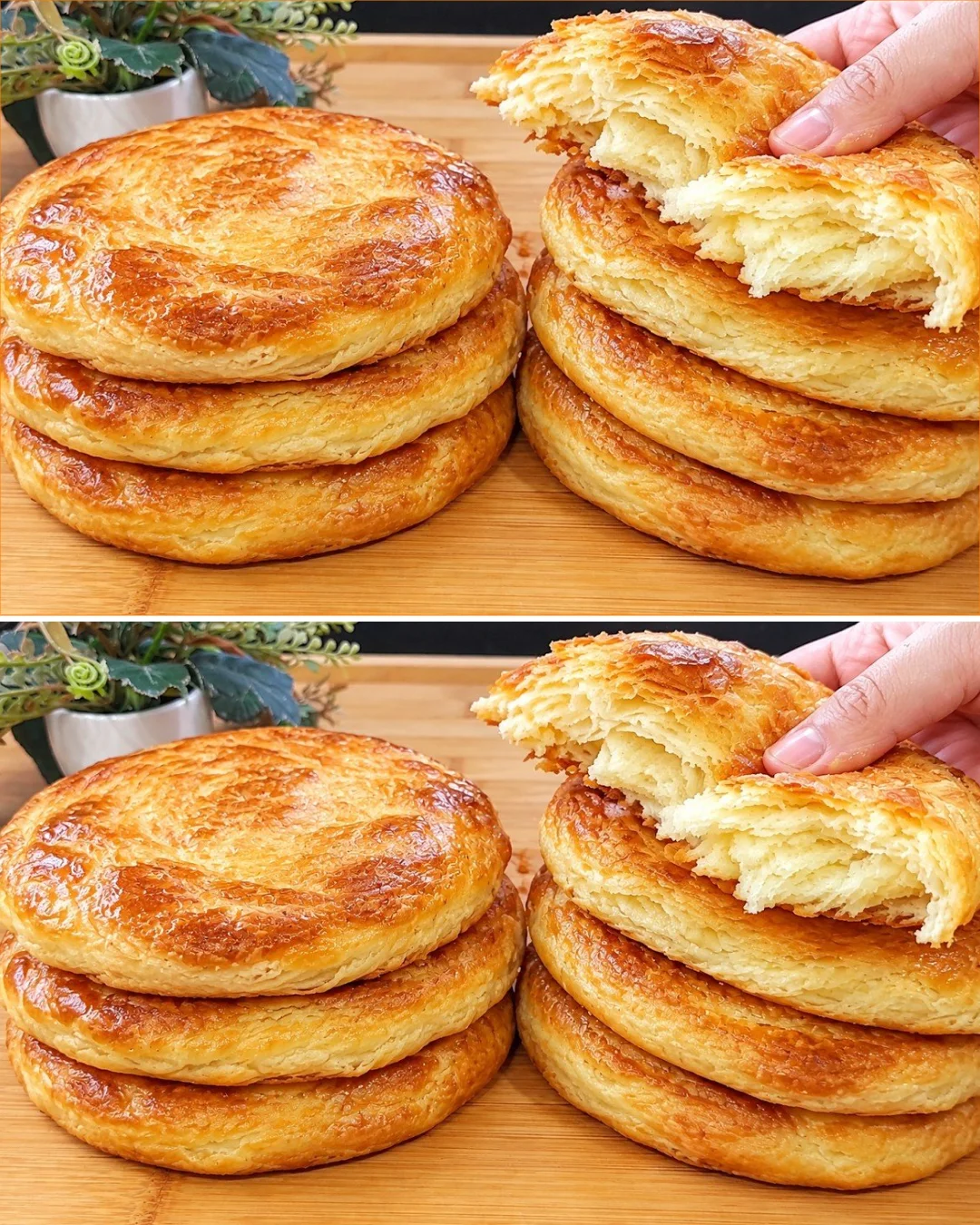
Moroccan flatbread baked without white flour offers a deliciously crispy and flaky alternative that’s even better than croissants for those who love whole grains and a more rustic texture. Made primarily with finely ground whole wheat flour, this flatbread uses natural sweeteners like honey, mild yeast fermentation, and layers of butter and olive oil to create its signature flaky layers. It’s an excellent choice for anyone seeking a wholesome bread with less refined flour and a charming homemade touch. If you enjoy experimenting with breads without relying on white flour, this recipe also complements well with side dishes such as oven-baked cauliflower with cheese and garlic for a complete, balanced meal.
Why This Recipe Is Helpful
- Uses whole wheat flour for a nutritious, fiber-rich bread option.
- Combines natural sweeteners and gentle yeast for a mild flavor and texture.
- Steps are simple enough for a home cook to create flaky, crisp bread without white flour.
Best For
This recipe is great for those who want an everyday whole grain bread that’s both tasty and has a crispy crust. Ideal for family breakfasts, snacks, or accompanying a variety of dishes.
Be Careful If
People sensitive to gluten should avoid this recipe as it contains whole wheat flour. Also, it has dairy in the form of milk and butter, so it may not suit those with lactose intolerance.
Ingredients
- 500 grams (about 4 cups) finely ground whole wheat flour
- 1/4 teaspoon active dry yeast
- 1 teaspoon honey (or 1 tablespoon sugar)
- 1 1/4 teaspoons salt
- 1 cup (240 ml) warm milk
- 1 cup (240 ml) warm water (adjust as needed)
- 2 tablespoons (30 g) butter for dough
- 2 tablespoons (30 g) butter for brushing
- 2 tablespoons (30 ml) olive oil
- 1 tablespoon (8 g) fine whole wheat flour or semolina
- For brushing: 1 egg yolk mixed with a few drops of milk or vinegar
- For garnish (optional): honey, cocoa powder, or crushed almonds
Ingredient Notes
- Whole wheat flour: Using finely ground flour helps keep the texture softer and easier to work with.
- Yeast: A small amount for gentle leavening giving lightness without strong fermentation flavors.
- Butter and olive oil: Provide the essential fat layers that create the flaky, tender texture.
- Egg yolk wash: Adds a golden shine and slight crispness to the crust.
Kitchen Tools Needed
- Large mixing bowl
- Measuring cups and spoons
- Rolling pin
- Baking sheet
- Pastry brush
- Oven preheated to 400°F (200°C)
Step-by-Step Instructions
- In a large bowl, combine the whole wheat flour, yeast, honey, and salt. Mix together thoroughly.
- Gradually add the warm milk while kneading the mixture until it is absorbed. Then slowly add warm water and knead until you get a smooth, elastic dough. Adjust water as needed but keep the dough slightly tacky.
- Cover the dough and let it rest for 10 to 15 minutes.
- Divide the dough into six equal portions, shaping each into a ball. Rest these balls for another 5 minutes under a damp cloth.
- Roll each ball into a thin sheet. Spread evenly a mixture made from the 2 tablespoons butter, olive oil, and the fine whole wheat flour or semolina over the surface of each sheet.
- Fold each sheet lengthwise, brush with more butter-oil mixture, then roll the dough into a coil shape.
- Allow these coils to rest for about 5 minutes. Then roll and flatten each coil into a thin disk.
- Brush each disk with the egg yolk and milk/vinegar wash for a glossy finish.
- Place the disks on a baking sheet and bake in a preheated oven at 400°F (200°C) for 6 to 7 minutes.
- Reduce the oven temperature to 350°F (180°C) and continue baking until the flatbreads turn golden and crisp, about 5 to 7 minutes longer.
- After baking, immediately brush the flatbreads with honey and sprinkle with cocoa powder or crushed almonds if desired.
- Serve warm with butter and honey for a truly delightful treat.
Pro Tips
- Make sure your liquid ingredients are warm, not hot, to activate the yeast without killing it.
- Roll dough sheets as thinly as possible to achieve crisp, flaky layers.
- Brushing with the butter and oil mixture between folds is crucial for layering.
- Watch the baking closely – ovens differ, so remove once golden to avoid dryness.
Lighter Swaps
Substituting butter with all olive oil will reduce saturated fat but may slightly alter the flakiness. Using plant-based milk instead of dairy milk is possible but may affect dough elasticity and flavor.
Common Mistakes
- Adding too much water can make the dough sticky and hard to roll thin.
- Skipping the resting times leads to less light and elastic dough.
- Not brushing the dough layers properly results in denser bread without distinct flakiness.
Serving Suggestions
Enjoy this flatbread warm with spreads like butter, honey, or your favorite jams. It also pairs wonderfully with savory dishes or stews.
Storage Instructions
Store leftover flatbreads in an airtight container at room temperature for up to 2 days. For longer storage, freeze and thaw before reheating.
Reheating Tips
Reheat gently in a warm oven at 300°F (150°C) wrapped in foil to retain moisture and crispness. Avoid microwaving as it can make bread tough.
Nutrition Estimate
Per serving (1 flatbread approx.):
- Calories: 210 kcal
- Protein: 6 g
- Carbohydrates: 30 g
- Fat: 7 g
Values are estimates and may vary by ingredients and portion size.
Recipe Summary
- Prep Time: 25 minutes (including rests)
- Cook Time: 12–14 minutes
- Total Time: 40 minutes
- Servings: 6 flatbreads
- Cuisine: Moroccan
- Course: Bread / Side dish
- Calories: About 210 kcal per serving
Frequently Asked Questions
Can I use white flour instead of whole wheat?
Yes, but this recipe is designed for whole wheat to provide a nuttier flavor and more fiber. White flour will make it lighter but less wholesome.
Is this flatbread vegan?
No, it contains butter, milk, and egg yolk for brushing. You could try vegan substitutes, but texture and flavor might change.
Can I prepare the dough in advance?
You can prepare the dough and keep it refrigerated overnight. Let it come to room temperature before continuing with the shaping and baking steps.
Conclusion
This whole wheat Moroccan flatbread offers a satisfying crispy texture and rich flavor without the need for white flour. It’s a practical recipe that showcases how simple ingredients and technique can produce fantastic home-baked breads, perfect for wholesome meals any day.