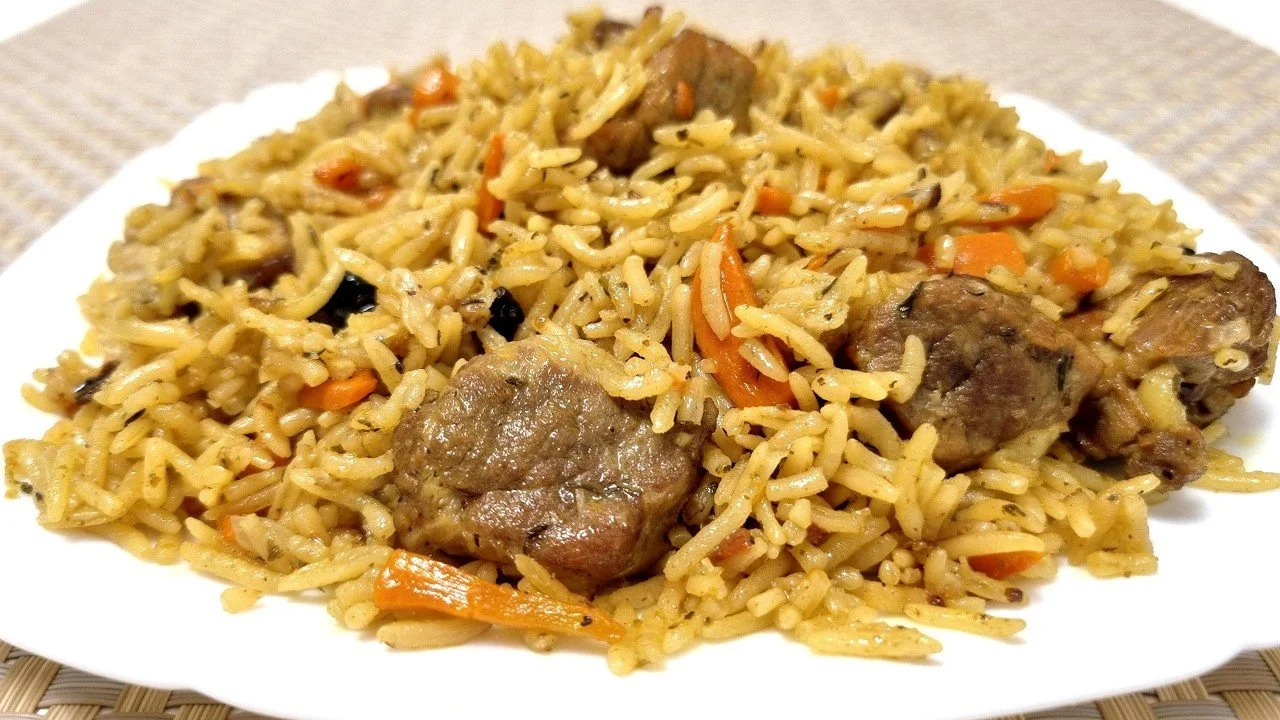
Pilaf, also known as LOV, is a comforting dish featuring tender meat and fluffy rice cooked together with aromatic spices and vegetables. This recipe uses pork neck, a cut known for juiciness due to its marbling, combined with long-grain basmati rice and a classic blend of plov spices. It’s a wonderful meal for those who enjoy richly flavored yet balanced home-cooked dishes. Because it includes meat and oil, it provides good protein and satisfying warmth; however, it’s best appreciated in moderate portions as part of a varied diet. For cooks looking for additional bread accompaniments, exploring recipes like authentic soft mollete bread pairs nicely with this pilaf.
Why This Recipe Is Helpful
- Combines meat and rice in one pot for a hearty, complete meal.
- Uses accessible ingredients and simple cooking techniques.
- Achieves fluffy, separate rice grains and juicy meat through careful layering and timing.
Best For
This pilaf is ideal for family dinners or when hosting friends who enjoy traditional, aromatic dishes. It offers a filling, protein-rich meal that suits chilly days or special occasions.
Be Careful If
This recipe contains pork and oil-rich cuts, so those watching fat intake should enjoy it in moderation. Also, the blend of spices may be intense for sensitive palates.
Ingredients
- 1.54 lb (700 g) pork neck meat, preferably with marbling
- 12.3 oz (350 g) long-grain basmati rice
- 8.8 oz (250 g) carrots, cut into medium sticks
- 10.6 oz (300 g) onions, sliced
- Approx. 4 tbsp (60 g) odorless vegetable oil
- 3 cloves garlic, halved
- 1 heaping tsp salt, plus extra to taste
- 1 tbsp plov spice mix (e.g., dried barberry, coriander, cumin seeds—zira, turmeric, black and red pepper)
- 1.8 oz (50 g) boiling water, plus additional if needed
Ingredient Notes
- Pork neck is preferred for its tenderness and fat content, which helps keep the meat juicy.
- Basmati rice is best for pilaf because of its long grains and ability to stay fluffy.
- The plov spices can be adjusted or substituted with a pre-made mix for convenience.
- Odorless oil prevents overpowering flavors, maintaining the pilaf’s delicate aroma.
Kitchen Tools Needed
- Large skillet or heavy-bottomed pan with lid
- Cutting board and sharp knife
- Measuring spoons and scale or cups
- Spoon for stirring
Step-by-Step Instructions
- Rinse the basmati rice several times with cold water until nearly clear, then soak it in cold water to soften during prep.
- Heat the vegetable oil in a large pan over medium-high heat.
- Add halved garlic cloves and fry until aromatic and lightly browned, then remove to prevent burning.
- Rinse and pat dry the pork neck, then cut into pieces around 1 oz (25-30 g) each.
- Place meat pieces in a single layer on the hot oil, avoiding crowding. Let brown well on one side before turning—avoid stirring too soon.
- Wipe away any charred fat from the pan’s edge to prevent burning but keep meat moist inside.
- Once browned on all sides, gently stir the meat.
- Add sliced onions; sauté until soft and translucent.
- Add carrot sticks and cook until tender yet firm enough to hold shape, releasing their color.
- Season with salt and plov spices; stir to combine and let the mixture absorb the aroma for a few minutes.
- Pour boiling water to nearly cover meat and vegetables, bring to a gentle simmer, cover loosely, lower heat to minimum, and cook for about 30 minutes until meat is tender.
- Taste and adjust salt as rice will absorb seasoning later.
- Drain the soaked rice and spread evenly over the meat and vegetables without stirring.
- Add a little boiling water (about 1.8 oz / 50 g) if rice isn’t fully covered—just enough for steaming.
- Cover with a lid that’s not airtight or secure with toothpicks to allow slow steam release; if excess water is visible, leave lid slightly ajar to evaporate moisture.
- Cook on very low heat for 15-20 minutes without stirring until rice is tender and liquid mostly absorbed.
- Gently mix rice with meat and vegetables, preserving separate grains.
- Cover again, remove toothpicks if used, and let rest off heat or on very low heat for 3-4 minutes.
- Turn off heat; let stand covered for 10 minutes before serving to deepen flavors and improve texture.
- Serve warm, ensuring the dish is moist but not soggy, with fluffy rice and juicy meat.
Pro Tips
- Do not stir rice while cooking to keep grains separate and fluffy.
- Brown the meat well before adding liquids to develop flavor and seal in juices.
- Use a pan with a heavy bottom to distribute heat evenly and prevent burning.
- Let the dish rest after cooking to allow steam to settle and flavor to meld.
Lighter Swaps
- Poultry or lean beef can replace pork for lower fat content, but cooking times may vary.
- Use vegetable broth instead of water for enhanced flavor without added fat.
- Reduce oil slightly, but some fat is important for traditional texture and taste.
If you want to try a different bread side, the recipe for soft mollete bread can complement pilaf wonderfully.
Common Mistakes
- Stirring rice during cooking, causing mushiness instead of separate grains.
- Overcrowding meat in the pan, which prevents proper browning and leads to steaming.
- Using cold water instead of boiling water to cover rice, leading to uneven cooking.
Serving Suggestions
Serve pilaf with a simple fresh salad or pickled vegetables to balance the richness. A dollop of yogurt can add a refreshing note.
Storage Instructions
Keep leftovers in an airtight container in the refrigerator for up to 2 days. Reheat gently to preserve texture.
Reheating Tips
Reheat covered over low heat or in a microwave with a splash of water to restore moisture without drying out the rice.
Nutrition Estimate
- Calories: Approximately 500 kcal per serving
- Protein: About 30 g
- Carbohydrates: Around 50 g
- Fat: Near 18 g
Values are estimates and may vary by ingredients and portion size.
Recipe Summary
- Preparation Time: 20 minutes
- Cooking Time: 60 minutes
- Total Time: 1 hour 20 minutes
- Servings: 4-5
- Cuisine: Central Asian / Eastern European
- Course: Main dish
- Calories: Approximately 500 kcal per serving
Frequently Asked Questions
Q: Can I use other types of rice?
A: Long-grain varieties like basmati or jasmine work best for pilaf; sticky rice is not recommended.
Q: Is it possible to make this dish vegetarian?
A: You can replace meat with mushrooms and add vegetable broth, but it won’t have the same rich flavor.
Q: How do I know when the rice is perfectly cooked?
A: The rice should be tender yet firm, with grains separate and all liquid absorbed.
Conclusion
This pilaf recipe brings a satisfying balance of juicy meat, tender vegetables, and fragrant rice—a timeless combination that feels both special and comforting. It’s worth making when you want a hearty meal that’s rich in flavor but straightforward to prepare.