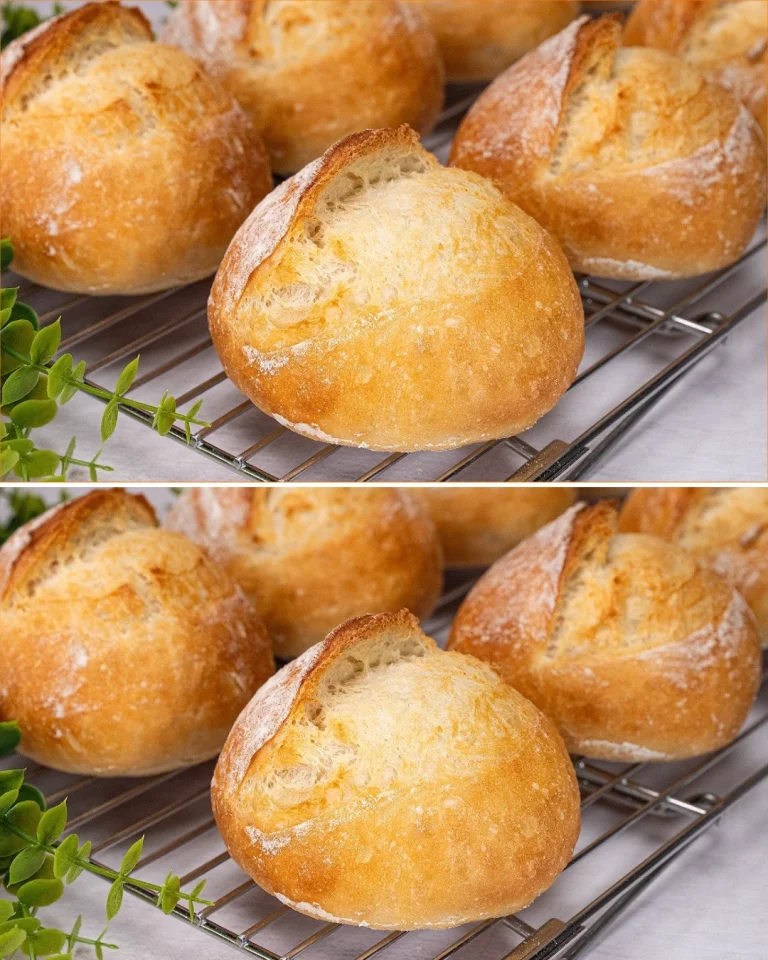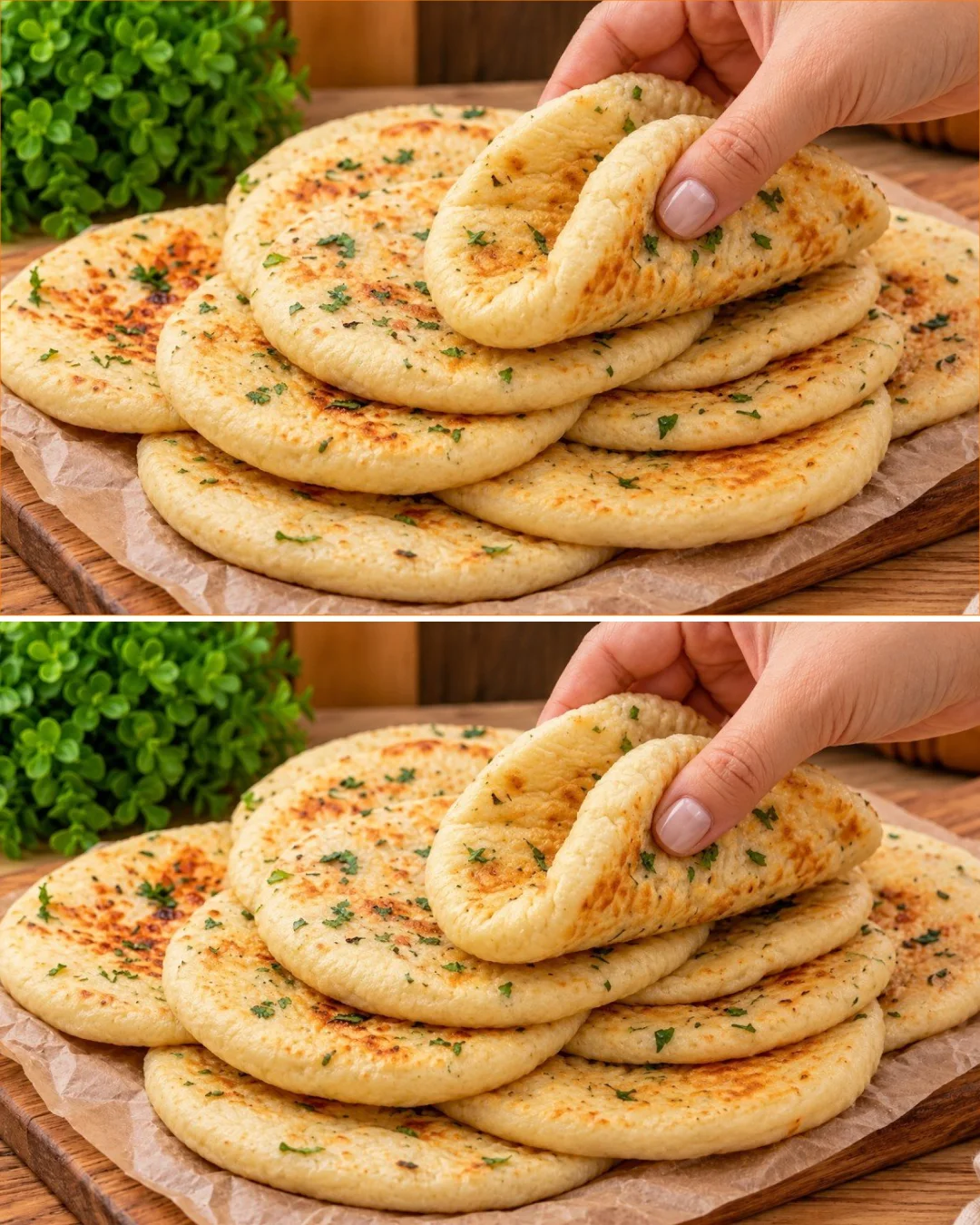
Homemade skillet bread is a straightforward and satisfying recipe that allows you to enjoy fresh bread without the need for an oven or eggs. Using simple pantry staples like flour, yeast, milk, and olive oil, this Turkish-inspired bread comes together quickly with minimal hands-on time. It’s perfect for anyone looking for an easy bread recipe that’s cooked right on the stovetop—a great fit for cooks in small kitchens or when you want fresh bread fast. The optional parsley-olive oil finishing sauce adds a fresh, savory touch that’s both flavorful and light, making this bread suitable as a side or for dipping. This recipe is plant-inclusive and a good option for those avoiding eggs, although it contains dairy.
Why This Recipe Is Helpful
- No oven needed, making it ideal for small kitchens or when the oven is unavailable.
- Uses simple ingredients commonly found in most pantries and refrigerators.
- Short resting time means you can have warm bread in under an hour.
Best For
This bread is great for home cooks who want homemade bread with minimal fuss. It’s ideal for breakfasts, snacks, or alongside soups and stews.
Be Careful If
This recipe contains dairy and gluten, so it is not suitable for those with lactose intolerance or gluten sensitivity.
Ingredients
For Turkish Skillet Bread:
- ¾ cup + 2 tbsp (200 ml) water, lukewarm
- ⅔ cup + 2 tbsp (150 ml) milk, lukewarm
- 1 ½ tsp (5 g) dry yeast
- 1 tbsp (12 g) sugar
- 1 ⅓ tbsp (20 ml) olive oil
- 4 ¾ cups (600 g) all-purpose flour, plus extra for dusting
- 1 tsp (5 g) salt
For the Finishing Sauce (optional):
- A handful of fresh parsley, finely chopped
- 2 ½ tbsp (40 ml) olive oil
- A pinch of salt
Ingredient Notes
- Using lukewarm water and milk activates the yeast without killing it, ensuring good dough rise.
- Olive oil adds softness and flavor, but you can use other neutral oils if needed.
- The finishing sauce is optional but enhances flavor with fresh herbs and richness without heaviness.
- All-purpose flour works best for a tender crumb and easy handling.
Kitchen Tools Needed
- Large mixing bowl
- Measuring cups and spoons
- Frying pan or skillet (preferably non-stick)
- Clean kitchen towel or plastic wrap for covering dough
- Brush for applying finishing sauce
Step-by-Step Instructions
- In a large bowl, combine lukewarm water, lukewarm milk, dry yeast, and sugar. Stir gently and let it sit for about 5 minutes until it becomes frothy, ensuring the yeast is active.
- Add the olive oil, flour, and salt to the yeast mixture. Mix together using your hand or a wooden spoon until a rough dough forms.
- Cover the bowl with a clean towel or plastic wrap. Let the dough rest for 15 minutes; it won’t double in size but should become softer and easier to handle.
- Dust your work surface lightly with flour. Divide the dough into ten pieces—nine pieces weighing about 100 grams (3.5 oz) each and one piece around 72 grams (2.5 oz).
- Shape each piece into a smooth ball by tucking edges underneath to create tension on top. This helps create a nice surface when cooked. Cover briefly while heating the pan.
- Heat a dry frying pan over medium heat. Once hot, place one dough ball in the pan and flatten gently to about ½-inch thickness. Cook for about 3-4 minutes until golden and firm on the bottom, then flip and cook the other side for another 3-4 minutes. Adjust heat as needed to prevent burning while ensuring even cooking.
- Repeat with remaining dough balls, cooking without adding oil or butter.
- For the finishing sauce, mix the chopped parsley, olive oil, and a pinch of salt in a small bowl. When breads are still warm, brush them generously with this sauce for extra flavor and a beautiful sheen.
- Serve the bread warm as-is or freeze cooled bread in a sealed bag for up to 60 days.
Pro Tips
- Make sure liquids are lukewarm to activate yeast well without killing it.
- Rest dough covered to keep moisture in and improve texture.
- Use a non-stick or well-seasoned pan for easy flipping and cleanup.
- Flatten dough evenly for consistent cooking inside and out.
Lighter Swaps
- You can replace whole milk with a plant-based milk for a dairy-free version, though the texture may vary slightly.
- Olive oil works best here; lighter oils may change flavor but still work.
- The finishing sauce is optional—bake or serve bread plain for fewer calories.
Common Mistakes
- Using water or milk that’s too hot, which kills yeast and prevents rising.
- Skipping the dough rest, resulting in tougher bread.
- Cooking on too high heat, which burns the bread outsides but leaves the inside raw.
Serving Suggestions
This bread pairs wonderfully with dips like hummus, yogurt-based sauces, or as a side for soups and salads. It also works well for sandwiches or as a base for quick flatbread pizzas.
Storage Instructions
Store cooled bread in an airtight container or freezer bag. It keeps well for up to 2 days at room temperature and freezes nicely for up to 60 days.
Reheating Tips
Reheat bread gently in a dry skillet over low heat or briefly in a microwave wrapped in a damp towel to restore softness without drying out.
Nutrition Estimate (per 1 of 10 pieces)
- Calories: 180 kcal
- Protein: 5 g
- Carbohydrates: 32 g
- Fat: 4 g
Values are estimates and may vary by ingredients and portion size.
Recipe Summary
- Prep Time: 20 minutes
- Cook Time: 30 minutes
- Total Time: 50 minutes
- Servings: 10 pieces
- Cuisine: Turkish / Mediterranean
- Course: Bread / Side
- Calories (per piece): 180 kcal
Frequently Asked Questions
Can I make this bread vegan?
Yes, by substituting the milk with a plant-based alternative such as almond or oat milk.
What if I don’t have fresh parsley for the finishing sauce?
You can omit it or substitute dried parsley, but fresh herbs add the best flavor and freshness.
Can I use instant yeast instead of dry yeast?
Yes, instant yeast works as well and can be mixed directly with flour without proofing first. Adjust hydration slightly if needed.
This homemade pie with walnuts recipe offers another simple, tasty option if you enjoy making homemade treats alongside your bread baking.
This no-oven, no-egg skillet bread offers a quick, simple route to fresh homemade bread with minimal ingredients or equipment. It’s a versatile staple that fits easily into everyday meals, perfect whether you’re new to bread making or seeking an easy bread recipe for busy days.