
Homemade almond butter is one of those treats that feels indulgent yet is incredibly easy to make. It’s creamy, nutty, and packed full of good-for-you nutrients. Plus, making your own almond butter means you can control the ingredients, ensuring it’s just how you like it. Right now, many folks are loving this recipe because it’s a healthier alternative to store-bought spreads, and it’s super versatile for many meals and snacks.
What Goes Into This Homemade Almond Butter
- 3 cups (about 400g) whole almonds (I recommend roasted and lightly salted)
- Optional: 2 teaspoons avocado oil, light olive oil, or melted coconut oil (as needed)
How to Make Homemade Almond Butter
- Gather Your tools: You’ll need a food processor with at least 750-watt power.
- Add the almonds: Pour 3 cups of whole almonds into your food processor.
- Start processing: Pulse or run the processor. The almonds will go through various stages: first whole, then into a coarse meal, and eventually becoming crumbly.
- Keep going: Continue processing until the almonds turn into a smooth creamy butter. This process may take about 10-15 minutes, but if your food processor is a bit less powerful, it might take longer.
- Scrape the sides: Every couple of minutes, pause to scrape down the sides of the bowl. This helps everything blend evenly while giving your motor a little break.
- Add oil if needed: If it’s not coming together smoothly, add up to 2 teaspoons of oil and keep processing.
- Cool and store: Once it’s perfectly smooth, transfer the almond butter to a jar. Leave it uncovered for at least 1 hour to cool before sealing it. Store in the refrigerator for up to 1 month.
Why This Homemade Almond Butter Is So Popular Right Now
People are searching for homemade almond butter now more than ever because of its health benefits and ease of preparation. With the focus on cleaner eating and healthy diets, homemade almond butter stands out as a nutritious option free from added sugars and preservatives. Plus, it’s a fun and satisfying kitchen project that results in a delicious spread.
Best Ways to Serve It
Homemade almond butter is perfect for breakfast or as a tasty snack whenever you’re craving something healthy. Spread it on whole-grain toast, dollop it on oatmeal, or enjoy it with fresh fruits like apple slices or bananas. You can also swirl it into smoothies for added creaminess or drizzle it over pancakes for a yummy twist.
Expert Tips for Homemade Almond Butter
- Storage: Keep your almond butter in an airtight container in the fridge, where it will last for a month.
- Add flavors: Experiment by mixing in a pinch of salt, a drizzle of honey, or even a sprinkle of cinnamon for extra flavor.
- Consistency: If you prefer a chunkier almond butter, process the almonds less. Just pulse it a few times after it becomes smooth to mix in some almond pieces.
- Use different oils: If you want a different taste or consistency, try varying the type of oil you add.
Homemade Almond Butter FAQs
Can I use raw almonds instead of roasted?
Yes, but roasting enhances the flavor and helps with the butter’s creaminess.
What should I do if my almond butter is too thick?
Add a teaspoon of oil and blend again until you reach your desired consistency.
How long does homemade almond butter last?
Stored in the fridge, it will keep for about a month.
Can I make almond butter without a food processor?
A high-powered blender can work too, though it might take longer and require more scraping down.
Give this homemade almond butter a try, and you’ll be amazed at how simple and delicious it is to make at home! Enjoy it spread on your fave snacks or as part of your meals.
Homemade Almond Butter
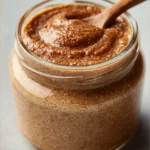
This creamy and nutty homemade almond butter is easy to make and a healthier alternative to store-bought spreads.
Main Ingredients
- 3 cups whole almonds (roasted and lightly salted recommended) (About 400g)
- 2 teaspoons avocado oil, light olive oil, or melted coconut oil (Optional, add as needed for consistency)
Preparation
- Gather your tools: You’ll need a food processor with at least 750-watt power.
- Add the almonds: Pour 3 cups of whole almonds into your food processor.
- Start processing: Pulse or run the processor. The almonds will go through various stages: first whole, then into a coarse meal, and eventually becoming crumbly.
- Keep going: Continue processing until the almonds turn into a smooth creamy butter, which may take about 10-15 minutes depending on your food processor’s power.
- Scrape the sides: Every couple of minutes, pause to scrape down the sides of the bowl to help blend evenly.
- Add oil if needed: If it’s not coming together smoothly, add up to 2 teaspoons of oil and keep processing.
- Cool and store: Transfer the almond butter to a jar and leave it uncovered for at least 1 hour to cool before sealing. Store in the refrigerator for up to 1 month.
For chunkier almond butter, process the almonds less after they’ve reached a smooth consistency. Experiment with flavors by adding salt, honey, or cinnamon. Store in an airtight container in the fridge.