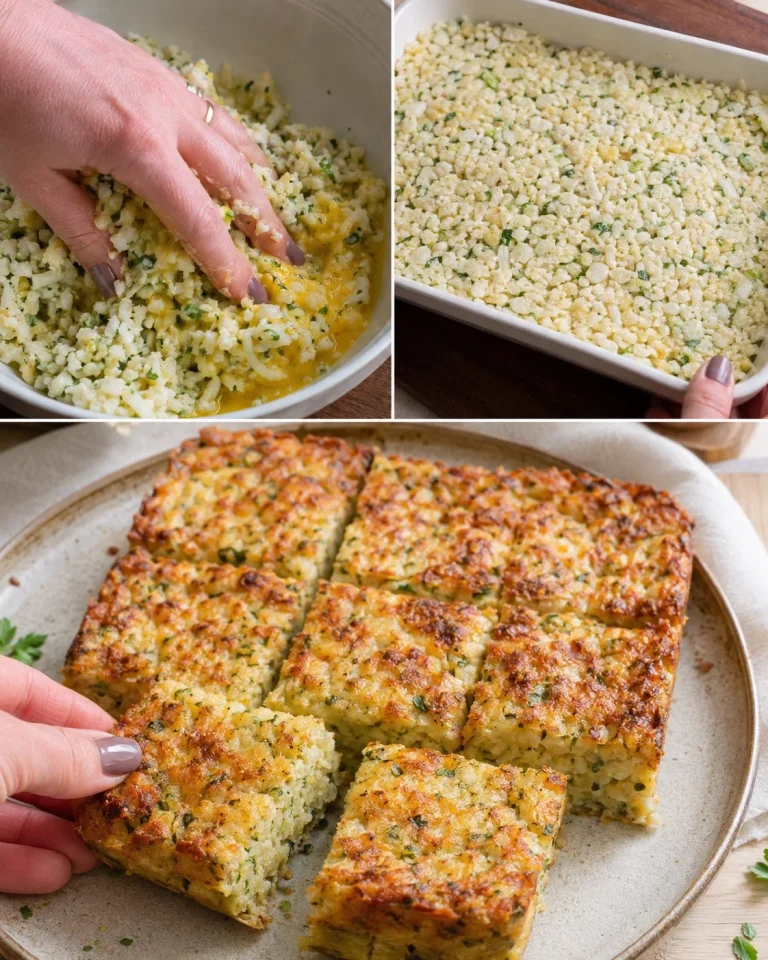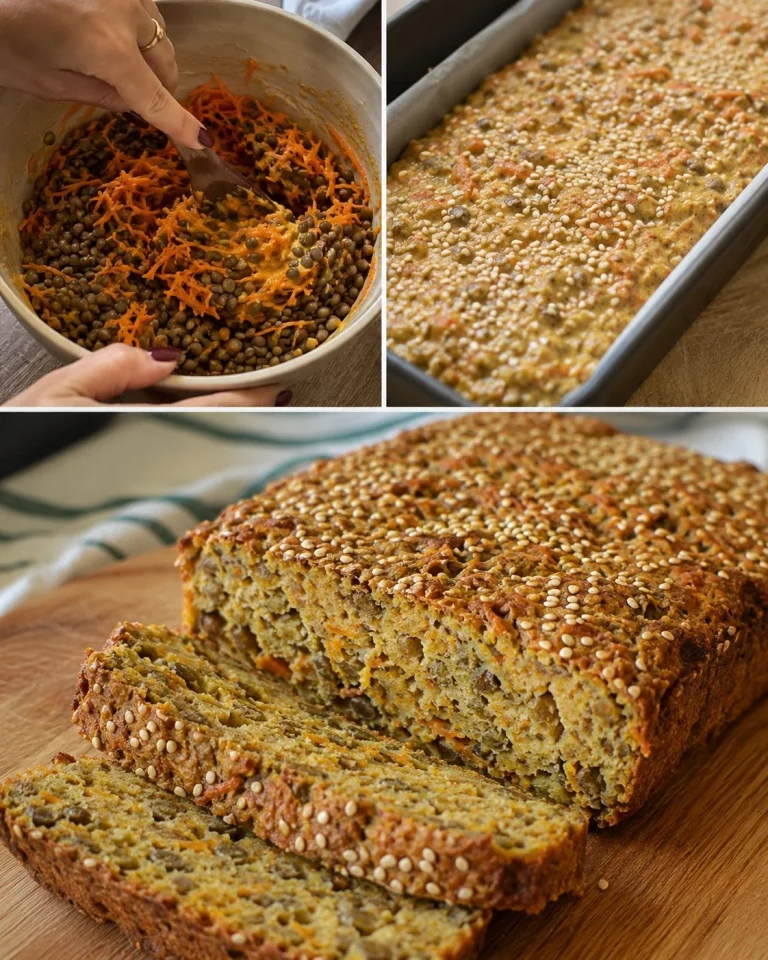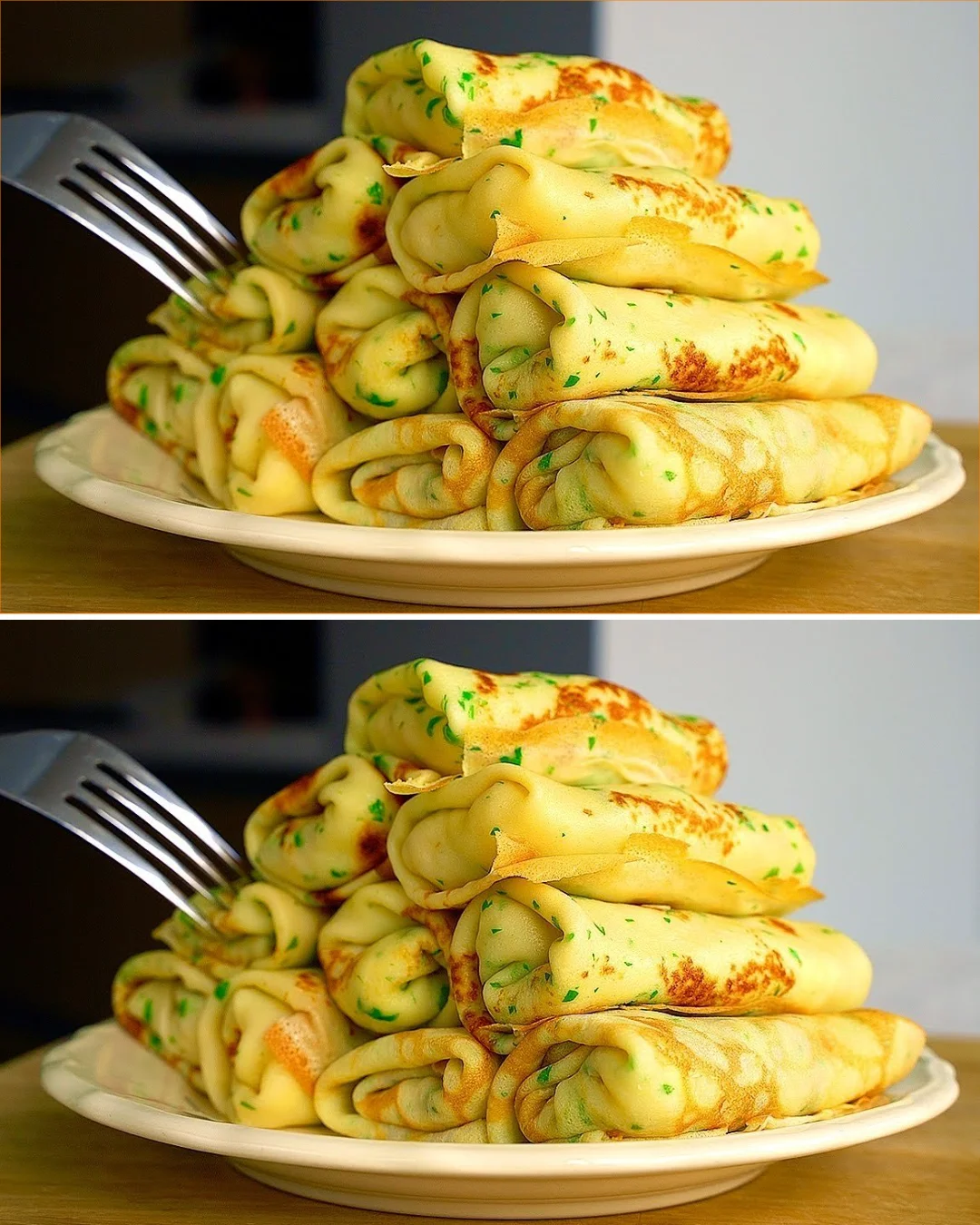
Crispy-edged vegetable pancakes are having a moment because they hit the sweet spot between comfort food and “use what’s in the fridge” practicality. This version folds tender rice, sautéed cabbage, carrot, herbs, and egg into a thick batter that cooks up like a savory skillet pancake—golden on the outside, soft and steamy inside. It’s the kind of recipe that works for breakfast, lunch, or an easy meatless dinner, especially when spring cabbage and fresh herbs are at their best.
When I tested this, the biggest improvement came from two small tweaks: letting the batter rest for 10 minutes (the flour hydrates and the pancakes hold together better) and pressing the pancakes slightly flatter in the pan so the centers cook through before the outside over-browns. The result surprised me: it tasted like a cross between fried rice and a scallion pancake, but lighter.
Why You’ll Love This Recipe
- Crispy edges with a tender, savory center—no deep frying needed
- Great “clean-out-the-fridge” meal for cabbage, carrots, and herbs
- Rice makes the pancakes more filling and naturally gluten-light in texture (even though flour is still used)
- Testing win: resting the batter reduces tearing and makes flipping much easier
- Works as meal prep—reheats well in a skillet or air fryer
Ingredients
For the rice
- 1 cup (200 g) uncooked white rice, rinsed
- 2 cups (480 ml) hot water
- 1/2 teaspoon fine salt
For the vegetable mixture
- 3 cups (210 g) shredded young cabbage (about 1/2 small head)
- 2 medium carrots, grated (about 1 1/2 cups / 150 g)
- 4 green onions/scallions, thinly sliced (about 1/2 cup / 50 g)
- 2 tablespoons (30 ml) olive oil, plus more for cooking
- 1 teaspoon fine salt, divided (or to taste)
- 2 tablespoons (8 g) chopped fresh dill (or parsley)
For the batter
- 3 large eggs
- 1 cup (240 ml) milk
- 1 teaspoon (4 g) sugar (optional but helps browning)
- 1 1/2 cups (190 g) all-purpose flour
- 2 tablespoons (30 g) butter, melted and cooled slightly
Ingredient Notes
- Young cabbage: Cooks quickly and stays sweet. If using mature green cabbage, slice it thinner and add 2–3 minutes to the sauté.
- Rice: Plain white rice gives the best texture. Day-old cooked rice also works—see Variations.
- Eggs: These bind everything. If your pancakes are breaking, it usually means the batter is too dry or not rested long enough.
- Flour: Provides structure. I found 1 1/2 cups (190 g) hits the “thick scoopable batter” zone; if your cabbage is extra wet, you may need 2–3 tablespoons more.
- Dill: Adds freshness and makes the pancakes taste less heavy. Parsley or chives are good substitutes.
- Sugar: Not required, but it helps the surface brown nicely without overcooking the center.
Kitchen Tools Needed
- Medium pot with lid (for rice)
- Large skillet or sauté pan (nonstick or well-seasoned cast iron)
- Box grater
- Mixing bowl
- Whisk
- Spatula (a wide one helps flipping)
- Measuring cups/spoons (or kitchen scale)
Step-by-Step Instructions
-
Cook the rice.
In a medium pot, combine rinsed rice, hot water, and 1/2 teaspoon salt. Bring to a boil, cover, reduce heat to low, and simmer for 10 minutes. Turn off the heat and let it sit covered for 5 minutes. Fluff with a fork.
Cue: Rice should be tender and mostly dry—no puddle of water. -
Soften the cabbage first (quick blanch).
Bring a small pot of water to a boil. Add shredded cabbage and blanch for 2 minutes, just until it turns brighter green and slightly wilted. Drain well and press out excess water with a spoon or clean towel.
Why: This keeps the cabbage tender without needing a long sauté (and prevents watery batter). -
Sauté the vegetables for flavor.
Heat 2 tablespoons (30 ml) olive oil in a large skillet over medium heat. Add the drained cabbage and cook 3 minutes, stirring, until it smells sweet and lightly toasted. Add grated carrots and sliced green onions. Cook 3–4 minutes more. Season with 1/2 teaspoon salt.
Cue: Carrots should soften but still look bright, not limp. -
Make the batter.
In a large bowl, whisk eggs, milk, and sugar until smooth. Whisk in flour until no dry pockets remain. Stir in melted butter and chopped dill. -
Combine and rest.
Add cooked rice and the warm vegetable mixture to the batter. Mix until evenly combined. Let the batter rest 10 minutes at room temperature.
Testing note: This rest made my first batch noticeably easier to flip and less likely to crack. -
Pan-fry the pancakes.
Wipe out the skillet if needed, then heat 1–2 teaspoons olive oil over medium heat. Scoop about 1/3 cup batter per pancake (or make one large skillet pancake—see Tip below). Press gently to about 1/2-inch (1.25 cm) thick so it cooks through evenly. Cook 3–4 minutes on the first side until deep golden and the edges look set. -
Flip and finish.
Flip and cook 3–4 minutes on the second side. If browning too fast, reduce heat to medium-low for the remaining batches. Transfer to a plate and repeat, adding a small drizzle of oil as needed.
Cue: Finished pancakes feel firm when pressed and smell toasty, not floury.
Pro Tips (VERY IMPORTANT FOR RANKING)
- Drain the cabbage aggressively. The first time I skipped pressing it dry, the batter loosened and the pancakes spread too thin. A quick squeeze prevents soggy centers.
- Rest the batter 10 minutes. It hydrates the flour so the pancakes hold together and don’t tear when flipping.
- Flatten slightly after scooping. A thicker mound looks nice but tends to stay wet in the middle. Pressing to ~1/2-inch (1.25 cm) was the sweet spot in my pan.
- Control heat after the first batch. Batch one always browns fastest in a hot skillet. I usually drop the heat a notch after the first flip to avoid an over-dark crust.
- For extra crisp edges, cook the last 30 seconds uncovered. Steam escapes and the surface dries just enough to crisp without burning.
Common Mistakes to Avoid
- Not draining the cabbage: Leads to runny batter and pancakes that won’t brown properly.
- Cooking on high heat: The outside turns dark before the center sets (this happened on my first test batch).
- Overloading the pan: Crowding drops the heat and makes the pancakes pale and soft.
- Skipping seasoning in layers: Salt the vegetables and the batter lightly; relying on a final sprinkle tastes flat.
- Flipping too early: Wait until edges look set and the bottom is truly golden.
Variations
- Use leftover rice: Substitute 3 cups (450 g) cooked rice for the uncooked rice + water. The batter may thicken—add 2–4 tablespoons (30–60 ml) milk if needed.
- Add cheese: Stir in 1/2 cup (50 g) grated cheddar or feta for a richer, saltier pancake.
- Make it spicy: Add 1–2 teaspoons chili crisp, or 1/2 teaspoon red pepper flakes to the batter.
- Whole grain twist: Swap up to 1/2 cup (65 g) of the flour for whole wheat flour (pancakes will be a bit heartier).
Serving Suggestions
Serve hot with a dollop of Greek yogurt or sour cream, plus extra sliced scallions and dill. For a more substantial meal, pair with a simple cucumber-tomato salad or a fried egg on top. They’re also great with a squeeze of lemon and a spoon of salsa or chili sauce.
Storage Instructions
- Refrigerator: Store cooled pancakes in an airtight container for up to 4 days. Place parchment between layers to prevent sticking.
- Freezer: Freeze in a single layer, then bag for up to 2 months.
Reheating Tips
- Best texture (crispy): Reheat in a skillet over medium heat with a tiny drizzle of oil, 2–3 minutes per side.
- Fast option: Air fryer at 350°F (175°C) for 4–6 minutes.
- Microwave: Works, but they soften; use only if you don’t mind a less crisp edge.
Nutrition Estimate
Per serving (about 2 pancakes, assuming 4 servings total):
- Calories: ~520
- Protein: ~20 g
- Carbs: ~72 g
- Fat: ~17 g
(Estimates vary by exact pan oil use and portion size.)
Recipe Summary Card
- Prep Time: 20 minutes
- Cook Time: 25 minutes
- Total Time: 45 minutes
- Servings: 4
- Cuisine: Eastern European-inspired
- Course: Breakfast / Lunch / Dinner
- Calories: ~520 per serving
Frequently Asked Questions
Can I make the batter ahead of time?
You can prep the vegetables and cook the rice up to 2 days ahead. I don’t love mixing the full batter too early—the flour continues to absorb liquid and the pancakes can turn dense. If needed, mix and refrigerate up to overnight, then loosen with a splash of milk before cooking.
Why are my pancakes falling apart when I flip them?
Usually it’s one of three things: batter too wet (cabbage not drained), not enough rest time, or flipping before the first side is well browned and set. Let the batter rest and wait for deep golden color before flipping.
Can I bake this instead of pan-frying?
Yes. Spread the mixture on a parchment-lined, oiled sheet pan and bake at 425°F (220°C) for 18–22 minutes, flipping once. It won’t be quite as crisp as pan-fried but it’s hands-off.
Can I make one large pancake instead of small ones?
Absolutely. Pour everything into an oiled 10–12 inch (25–30 cm) skillet, press flat, cover, and cook on medium-low 8–10 minutes. Flip (use a plate if needed) and cook another 6–8 minutes until set.
What other vegetables work well here?
Finely shredded zucchini (squeezed dry), chopped spinach (squeezed), corn, or grated sweet potato all work. Keep the total veg volume similar so the batter stays cohesive.
Conclusion
These vegetable rice and egg pancakes are a practical, pantry-friendly way to turn simple ingredients into something genuinely satisfying. Once you dial in the batter thickness and heat level, they’re reliably crisp, savory, and surprisingly filling.
Tested Note (VERY IMPORTANT)
I tested this twice and got the best texture when I squeezed the blanched cabbage very dry and rested the mixed batter for 10 minutes. Pressing each pancake slightly flatter also fixed the undercooked centers I had in my first run.
Crispy-Edged Vegetable Pancakes
Crispy-edged vegetable pancakes filled with rice, cabbage, carrots, and herbs make for a comforting and practical meal option, perfect for any time of the day.
For the rice
- 1 cup 1 cup (200 g) uncooked white rice, rinsed
- 2 cups 2 cups (480 ml) hot water
- 1/2 teaspoon 1/2 teaspoon fine salt
For the vegetable mixture
- 3 cups 3 cups (210 g) shredded young cabbage (about 1/2 small head) (Young cabbage cooks quickly and stays sweet.)
- 2 medium 2 medium carrots, grated (about 1 1/2 cups / 150 g)
- 4 pieces 4 green onions/scallions, thinly sliced (about 1/2 cup / 50 g)
- 2 tablespoons 2 tablespoons (30 ml) olive oil, plus more for cooking
- 1 teaspoon 1 teaspoon fine salt, divided (or to taste)
- 2 tablespoons 2 tablespoons (8 g) chopped fresh dill (or parsley) (Dill adds freshness.)
For the batter
- 3 large 3 large eggs (Eggs bind everything.)
- 1 cup 1 cup (240 ml) milk
- 1 teaspoon 1 teaspoon (4 g) sugar (optional but helps browning) (Not required but helps browning.)
- 1 1/2 cups 1 1/2 cups (190 g) all-purpose flour (Adjust if cabbage is extra wet.)
- 2 tablespoons 2 tablespoons (30 g) butter, melted and cooled slightly
Cooking the rice
- In a medium pot, combine rinsed rice, hot water, and 1/2 teaspoon salt. Bring to a boil, cover, reduce heat to low, and simmer for 10 minutes. Turn off the heat and let it sit covered for 5 minutes. Fluff with a fork.
Soften the cabbage
- In a small pot of boiling water, blanch the shredded cabbage for 2 minutes until it turns brighter green and slightly wilted. Drain well and press out excess water.
Sautéing the vegetables
- Heat 2 tablespoons olive oil in a large skillet over medium heat. Add the drained cabbage and cook for 3 minutes until it smells sweet. Add grated carrots and sliced green onions, cooking for 3–4 minutes more. Season with 1/2 teaspoon salt.
Making the batter
- In a large bowl, whisk eggs, milk, and sugar until smooth. Whisk in flour until no dry pockets remain. Stir in melted butter and chopped dill.
Combining and resting
- Add cooked rice and warm vegetable mixture to the batter. Mix until evenly combined. Let the batter rest for 10 minutes.
Pan-frying the pancakes
- Heat 1–2 teaspoons olive oil in the skillet over medium heat. Scoop about 1/3 cup of batter per pancake, pressing gently to about 1/2-inch thick. Cook for 3–4 minutes until deep golden, then flip and cook for another 3–4 minutes on the second side.
Serve hot with Greek yogurt or sour cream, or pair with a cucumber-tomato salad or a fried egg. Store in the refrigerator for up to 4 days or freeze for up to 2 months.