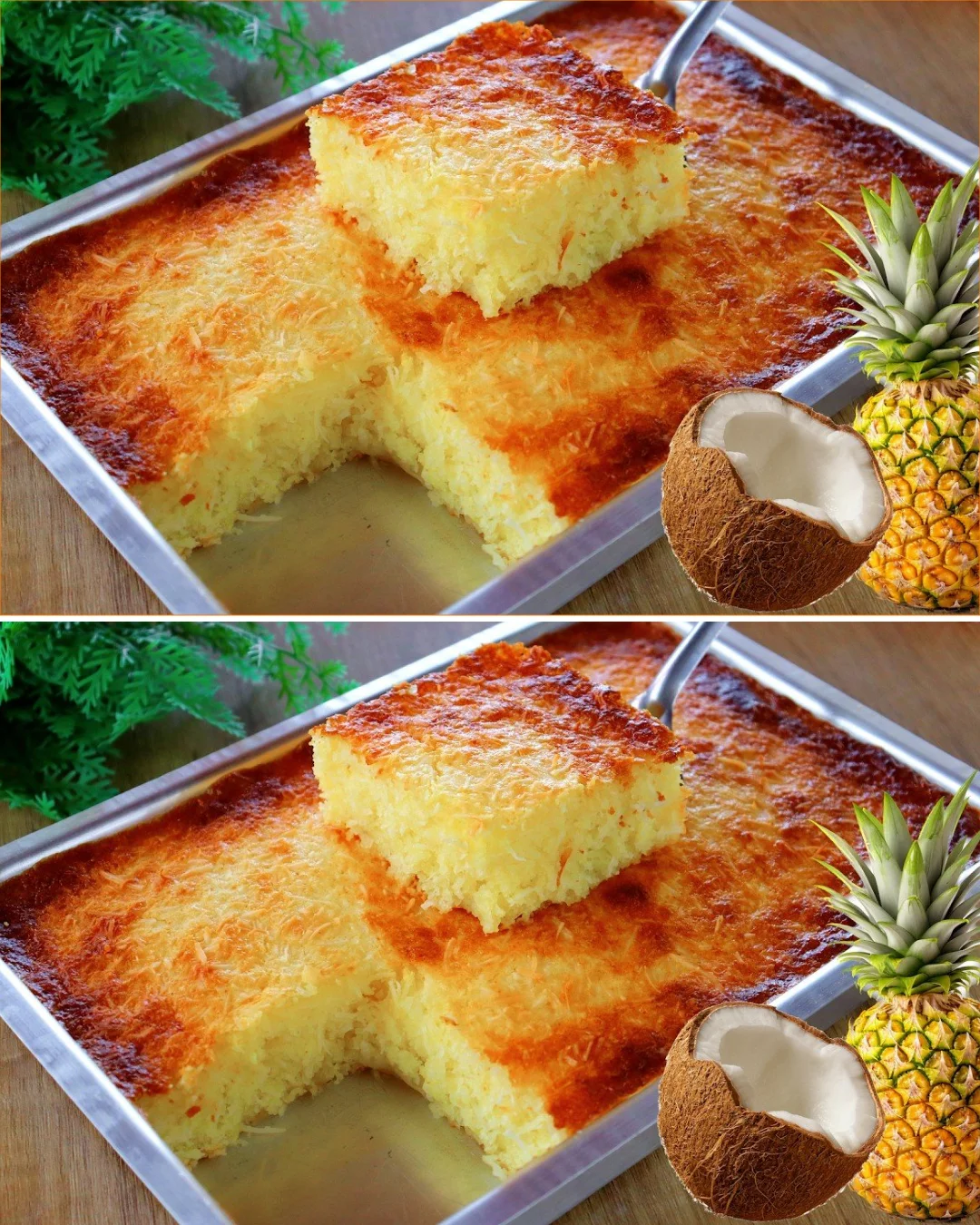
Pineapple and coconut combine beautifully in this flourless cake that is moist, tropical, and easy to make. It’s a great choice for those avoiding wheat flour or looking for a different texture in a sweet treat. This cake balances the natural sweetness of pineapple and condensed milk with rich coconut milk and shredded coconut, making it appealing for anyone craving a dessert with island-inspired flavors. Its use of cornstarch instead of flour keeps it light yet tender. For those exploring gluten-free or egg-inclusive options, this recipe blends simplicity with taste. You might also enjoy exploring other simple, wholesome cakes like two-ingredient chocolate coconut breakfast cakes as a next delight.
Why This Recipe Is Helpful
- Uses no wheat flour, suitable for some gluten-intolerant diets
- Incorporates accessible, natural ingredients for a tropical twist
- Simple steps with a small number of ingredients make it manageable for home bakers
Best For
This cake is ideal for those who appreciate quick yet tasty homemade desserts with a tropical flair. It suits gatherings or a weekend treat when you want something special but not complicated.
Be Careful If
This recipe contains sweetened condensed milk and eggs, so it is not suitable for vegans or those avoiding dairy and eggs. It is also relatively high in sugar, so best enjoyed in moderation.
Ingredients
- 300 g (about 1 1/3 cups) pineapple, diced
- ½ cup (120 ml) water
- 3 large eggs
- 1 can sweetened condensed milk (395 g / 14 oz)
- A pinch of salt
- 150 g (about 1 ½ cups) shredded coconut, unsweetened
- 1 bottle coconut milk (200 ml / ¾ cup plus 2 tbsp)
- 1 cup (120 g) cornstarch
- 1 tablespoon (16 g) baking powder
Ingredient Notes
- Pineapple: Fresh pineapple adds natural sweetness and moisture; canned works if fresh isn’t available but drain excess liquid.
- Sweetened Condensed Milk: Provides sweetness and richness; can use a dairy-free version for lactose intolerance but results will vary.
- Cornstarch: Acts as the flour substitute, giving structure without gluten.
- Coconut Milk and Shredded Coconut: Enhance the tropical flavor and moisture; prefer unsweetened shredded coconut to control sweetness.
Kitchen Tools Needed
- Saucepan for cooking pineapple
- Mixing bowls
- Whisk or electric mixer
- 8-inch (20 cm) cake pan
- Spatula
- Oven
Step-by-Step Instructions
- In a saucepan, combine the diced pineapple with the ½ cup water. Cook over medium heat, stirring occasionally, until the pineapple softens and the liquid reduces—about 8 to 10 minutes. Remove from heat and let it cool for 10 to 15 minutes.
- In a large bowl, beat the eggs and sweetened condensed milk together until well blended and smooth. Add a pinch of salt and mix again.
- Stir the shredded coconut into the egg mixture, reserving a small portion for topping. Mix thoroughly.
- Add the cornstarch and coconut milk, stirring until there are no lumps and the batter is smooth.
- Gently fold in the baking powder to keep the batter airy.
- Grease the cake pan with margarine or butter, then dust lightly with cornstarch to prevent sticking. Pour the batter into the prepared pan and smooth the surface.
- Evenly spoon the cooked pineapple over the batter, distributing it without mixing.
- Sprinkle the reserved shredded coconut on top of the pineapple layer.
- Bake in a preheated oven at 180°C (350°F) for about 30 minutes, or until the top turns golden brown and a toothpick inserted in the center comes out clean.
- Let the cake cool for 10 to 15 minutes before slicing to allow it to firm up slightly.
Pro Tips
- Make sure the pineapple is well reduced and not watery to avoid a soggy cake.
- Do not overmix after adding the baking powder to keep the cake light.
- Use a light hand when folding ingredients to maintain airiness.
- Allow the cake to cool slightly before slicing to get cleaner cuts.
Lighter Swaps
- Using light coconut milk may reduce calories slightly but will affect richness.
- Substitute unsweetened applesauce for half the eggs if you want a lighter texture, though the flavor will be less rich.
- Using a sugar-free condensed milk alternative can lower sugar but adjust sweetness to taste.
Common Mistakes
- Adding pineapple juice that is too watery, which can make the batter runny
- Overbaking, leading to a dry texture—check doneness at 25 minutes regularly
- Not greasing and dusting the pan properly causing the cake to stick
Serving Suggestions
Serve this cake slightly warm or at room temperature, perhaps with a dollop of whipped coconut cream or fresh tropical fruit on the side to enhance the island vibe.
Storage Instructions
Store any leftovers covered in the refrigerator, well-wrapped. Consume within 3 days for optimal freshness.
Reheating Tips
Gently reheat slices in the microwave for 10–15 seconds; avoid overheating to maintain moisture.
Nutrition Estimate
- Calories per serving (based on 8 servings): Approximately 280 kcal
- Protein: 5 g
- Carbohydrates: 35 g
- Fat: 12 g
Values are estimates and may vary by ingredients and portion size.
Recipe Summary
- Prep Time: 15 minutes
- Cook Time: 30 minutes
- Total Time: 45 minutes
- Servings: 8
- Cuisine: Tropical, gluten-free
- Course: Dessert
- Calories: 280 per serving
Frequently Asked Questions
Q: Can I make this cake vegan?
A: This recipe uses eggs and condensed milk, so it is not vegan as is. Vegan alternatives exist but may change texture and flavor significantly.
Q: Is this cake gluten-free?
A: Yes, using cornstarch instead of flour keeps it naturally gluten-free, but always check ingredient labels to be sure.
Q: Can I prepare the pineapple ahead of time?
A: Yes, cook the pineapple the day before and refrigerate. Bring it to room temperature before adding to the batter.
Conclusion
This flourless pineapple coconut cake offers a simple, moist, and flavorful dessert option with tropical flair. It balances accessibility with an enjoyable texture and is an excellent choice for those seeking gluten-free baking without sacrificing taste.