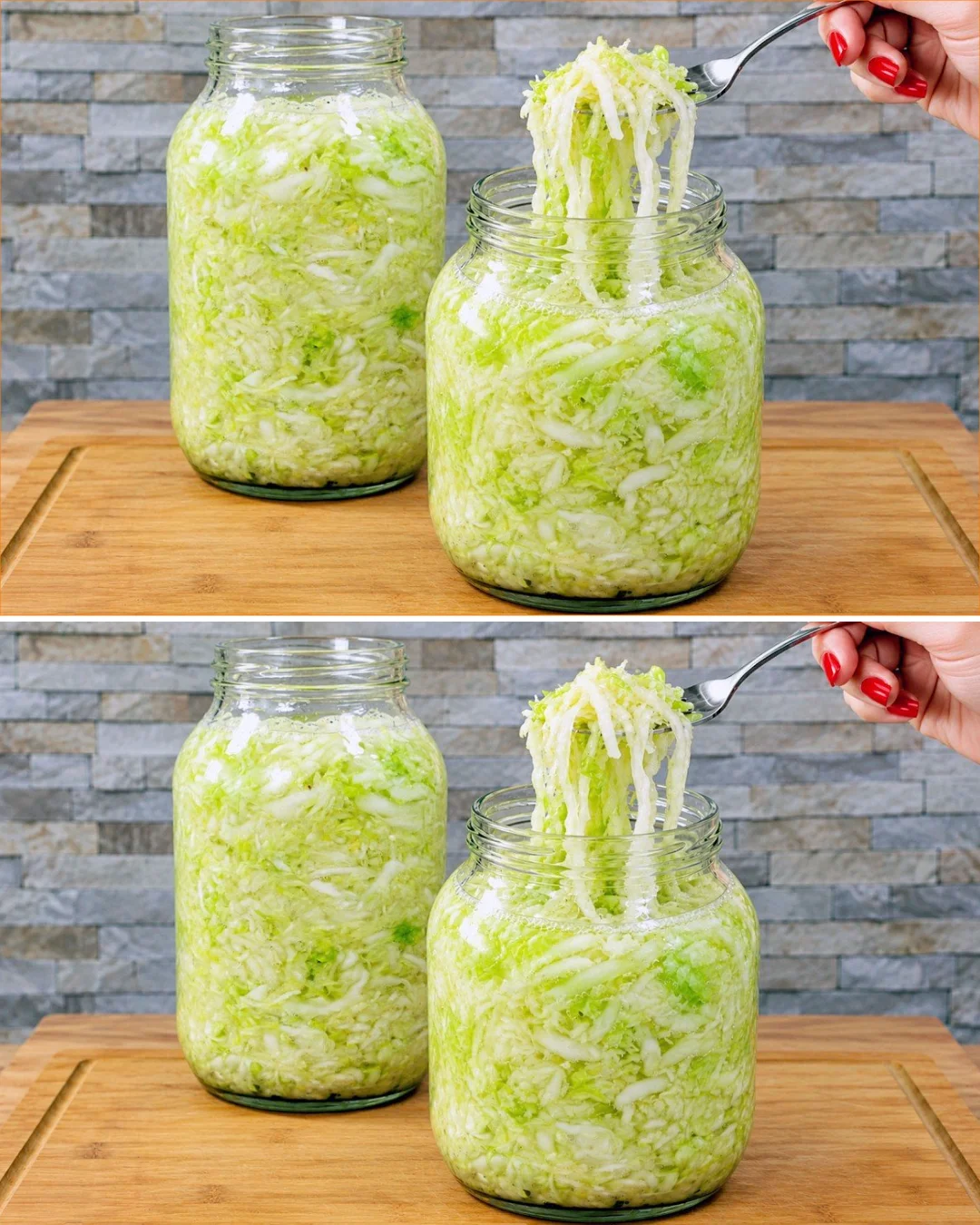
Fermented cabbage is a simple, natural recipe that transforms fresh cabbage into a tangy, probiotic-rich food in just seven days. This homemade sauerkraut-style dish is ideal for anyone interested in adding a flavorful, gut-friendly ingredient to their meals using minimal ingredients and kitchen tools. It may appeal particularly to those who enjoy traditional fermentation methods and are keen on exploring easy ways to support digestion through diet. While fermented vegetables are nutritious and provide beneficial bacteria, they should be enjoyed as part of a balanced diet.
Why This Recipe Is Helpful
- Encourages natural fermentation, preserving cabbage without added preservatives.
- Produces probiotics that may support digestive health when included in your diet.
- Uses few ingredients and basic tools, making it accessible for home cooks.
Best For
This recipe is great for people looking to add fermented foods easily into their meals, including those who enjoy homemade preparations with minimal ingredients.
Be Careful If
Those sensitive to high-sodium foods should monitor their intake, as this recipe uses salt to encourage fermentation.
Ingredients
- 2 medium heads of white cabbage
- 20 g (approximately 1 tablespoon) of salt for every 1 kg (2.2 lbs) of shredded cabbage
- 1 clean 2.5-liter (2.6-quart) glass jar
Ingredient Notes
- Use white cabbage with fresh, firm leaves for the best texture.
- Sea salt or kosher salt without additives is recommended to avoid interfering with fermentation.
- A large glass jar with a wide mouth works best for packing and fermenting.
Kitchen Tools Needed
- Sharp knife or mandoline for shredding cabbage
- Kitchen scale (optional, for accuracy)
- 2.5-liter glass jar with lid
- Clean hands or food-safe gloves
Step-by-Step Instructions
- Remove any damaged or wilted outer leaves from the cabbage heads and discard.
- Finely shred the cabbage using a sharp knife or mandoline.
- Weigh the shredded cabbage to calculate the right amount of salt—20 g per 1 kg of cabbage.
- Sprinkle the salt evenly over the shredded cabbage. Massage and squeeze the cabbage thoroughly with clean hands until it softens and begins to release its natural juices, forming a brine. This may take 5 to 10 minutes.
- Firmly pack the salted cabbage into the clean glass jar, pressing down with your hands or a wooden tamper to remove air pockets and submerge the cabbage in its own brine.
- Leave about 2–3 cm (1 inch) of space at the top of the jar. Place a clean cabbage leaf or fermentation weight on top to keep the shredded cabbage submerged under the brine.
- Close the jar lid loosely to allow gases to escape during fermentation, or cover with a cloth secured with a rubber band. Store the jar in a cool, dark place away from direct sunlight.
- Check daily to ensure the cabbage remains submerged in the brine. If the lid is sealed and pressure builds, gently release the gas to avoid overflow.
- After 7 days, taste the fermented cabbage. When it reaches your desired sourness, seal the jar tightly and move it to the refrigerator to slow the fermentation process.
Pro Tips
- Use clean hands throughout to reduce contamination risk.
- Press firmly every time you pack the cabbage to eliminate trapped air.
- Keep the fermenting jar away from heat and light for best flavor and texture.
Lighter Swaps
This natural fermentation relies on salt for preservation and texture, so lighter salt alternatives are not recommended to ensure proper fermentation.
Common Mistakes
- Not pressing the cabbage tight enough, causing exposure to air.
- Using iodized or salted with anti-caking agents salt, which can interfere with fermentation.
- Forgetting to release trapped gases, resulting in potential jar overflow.
Serving Suggestions
Enjoy fermented cabbage as a tangy side dish, a topping for sandwiches and salads, or mixed into warm dishes for an added burst of flavor.
Storage Instructions
Once fermented, keep the jar sealed and refrigerated. Properly stored, it can last several months while slowly continuing to ferment and develop flavor.
Reheating Tips
Fermented cabbage is typically eaten cold or at room temperature. Reheating is not recommended, as it may reduce probiotic benefits and alter texture.
Nutrition Estimate
- Calories: 25 per serving (about 100 g / 3.5 oz)
- Protein: 1 g
- Carbohydrates: 5 g
- Fat: 0 g
Values are estimates and may vary by ingredients and portion size.
Recipe Summary
- Prep Time: 20 minutes
- Fermentation Time: 7 days
- Total Time: 7 days, 20 minutes active
- Servings: About 8 servings
- Cuisine: Traditional fermentation
- Course: Side dish
- Calories: 25 per serving
Frequently Asked Questions
Can I use red cabbage instead of white?
Yes, red cabbage can be fermented the same way, producing a slightly different flavor and color.
Do I need to add vinegar to this recipe?
No. The recipe relies on natural fermentation by lactic acid bacteria, which produce the sourness without vinegar.
Is it safe to keep the lid tightly sealed during fermentation?
It’s best to keep the lid loosely closed or open daily to release gas; otherwise, pressure can build up and cause leakage.
The tangy flavor and simple preparation of fermented cabbage make it a rewarding recipe to try. It’s a practical way to preserve fresh cabbage and enhance meals with natural probiotics. This basic method is adaptable, inviting you to experiment with herbs or spices once confident with the process.
If you enjoy fresh and fermented vegetables, you might also like this refreshing cucumber salad recipe designed to support gut and skin health.