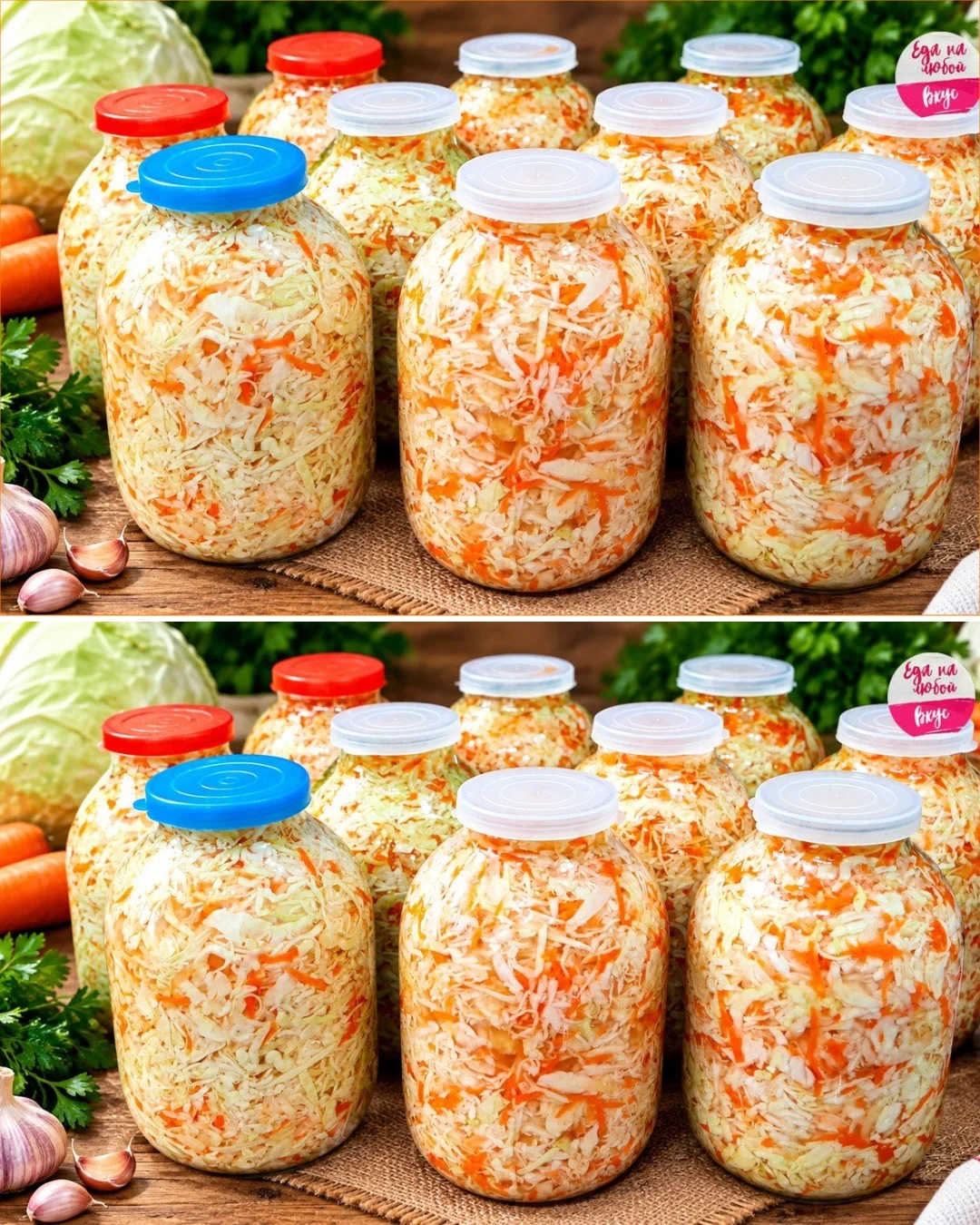
Fermenting vegetables like cabbage is a fantastic way to enjoy their crunchiness all winter long. This straightforward sauerkraut recipe celebrates the natural flavors of cabbage and carrots while incorporating a simple fermentation process. Whether you’re looking to enhance your meals or seek a nutritious addition to your diet, this recipe offers you a delightful and tangy experience that pairs well with a variety of dishes. You can feel good knowing that this tangy fermented dish can be a filling and balanced side.
Why This Recipe Is Helpful
- Sauerkraut is rich in vitamins C and K, making it a nutritious and probiotic-rich food.
- This recipe is simple, requiring very few ingredients that are easy to find.
- The fermentation process boosts the dish’s flavor and gives it a delightful crunch.
Best For
This recipe is great for anyone who enjoys pickled flavors or wants to add a nutritious component to their meals.
Be Careful If
If you are managing sodium intake, be aware of the salt content in the fermentation process.
Ingredients
- 4 large heads of white cabbage (3.3–3.5 kg each)
- 4 carrots (200–250 g each)
- 10 liters of cold water
- 600 g salt
Ingredient Notes
- The quality of cabbage can affect the final product; go for firm, fresh heads.
- Carrots add sweetness and natural flavor; feel free to substitute with other root vegetables if desired.
- Make sure to use non-iodized salt for optimal fermentation.
Kitchen Tools Needed
- Large mixing container
- Clean three-liter jars with lids
- Grater or food processor for carrots
- Mixing spoon
Step-by-Step Instructions
- Prepare the Vegetables: Cut the white cabbage into shreds and grate the carrots. Mix the cabbage and carrots together in a large container.
- Make the Brine: In a separate container, dissolve 600 g of salt in 10 liters of cold water, creating a brine solution.
- Combine: Pour the brine over the cabbage and carrot mixture, ensuring everything is well coated. Let it sit for 40-60 minutes so the cabbage absorbs the brine.
- Jar the Mixture: Transfer the cabbage and carrots into clean three-liter jars. Do not pack them tightly; leave some space for the fermentation bubbles. Ensure that all vegetables are fully submerged in the brine.
- Fermentation: Seal the jars and store them in a cool, dark cellar for 10-14 days. Check for the desired tartness, which depends on your taste preference, before moving the jars to the refrigerator.
Pro Tips
- If the vegetables float above the brine, you can weigh them down with a clean plate or a fermentation weight.
- Monitor the jars daily; if you see any foam, skim it off for better flavor.
- Use a cheesecloth to cover the jars if you don’t have lids, allowing gases to escape while keeping contaminants out.
Lighter Swaps
The original version works best for authentic flavor and texture; however, you can experiment with sea salt for a slightly different taste.
Common Mistakes
- Not using enough salt can lead to spoilage instead of fermentation.
- Forgetting to ensure that all vegetables are submerged may cause them to spoil.
Serving Suggestions
Sauerkraut can be enjoyed on its own, as a side dish, or as a tangy topping on sausages, sandwiches, or salads.
Storage Instructions
Keep the sealed jars in the refrigerator once the desired fermentation is reached to halt the process.
Reheating Tips
Reheating is not typically recommended as this dish is best enjoyed raw for maximum crunch and probiotic benefit.
Nutrition Estimate
Calories: approximately 20 per serving
Protein: 1 g
Carbs: 4 g
Fat: 0 g
Values are estimates and may vary by ingredients and portion size.
Recipe Summary
Prep Time: 30 minutes
Total Time: 10-14 days (fermentation)
Servings: Varies
Cuisine: Fermented
Course: Side Dish
Calories: 20 per serving
Frequently Asked Questions
1. How long does sauerkraut last in the fridge?
Homemade sauerkraut can last for several months in the refrigerator if stored properly.
2. Can I use other vegetables in this recipe?
Yes, you can substitute or add other vegetables like beets or radishes for varied flavors.
3. Is it necessary to use a fermentation weight?
Using a weight helps keep the vegetables submerged, but it’s not mandatory; you can use a clean plate as an alternative.
Enjoy making your own sauerkraut! For more delicious cabbage recipes, check out this nutritious winter comfort dish.