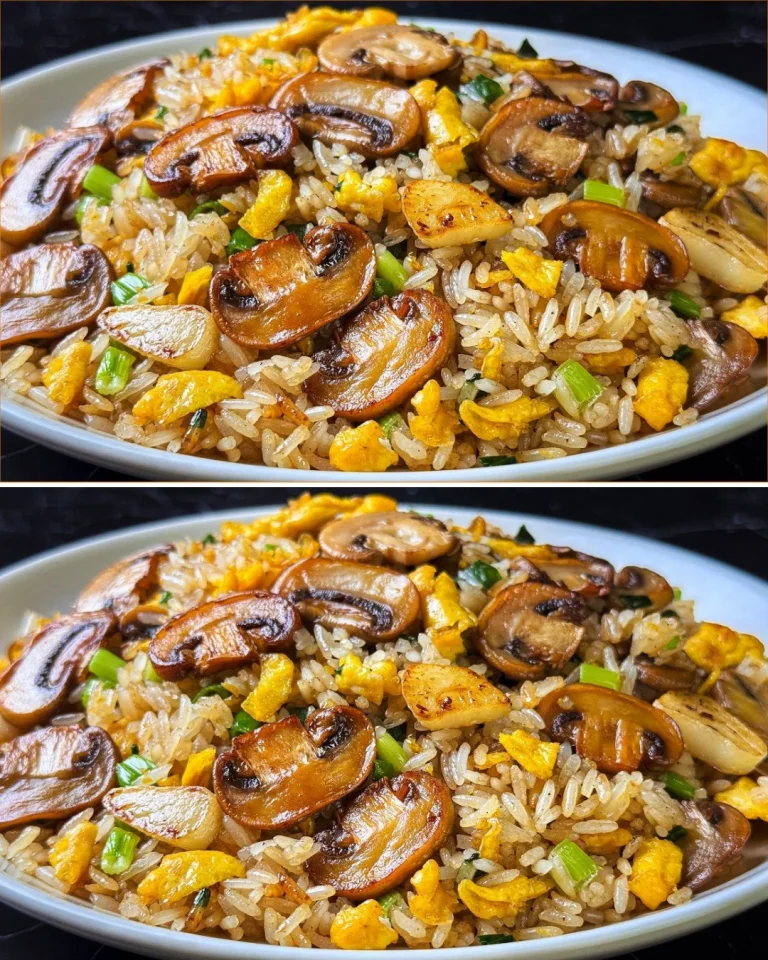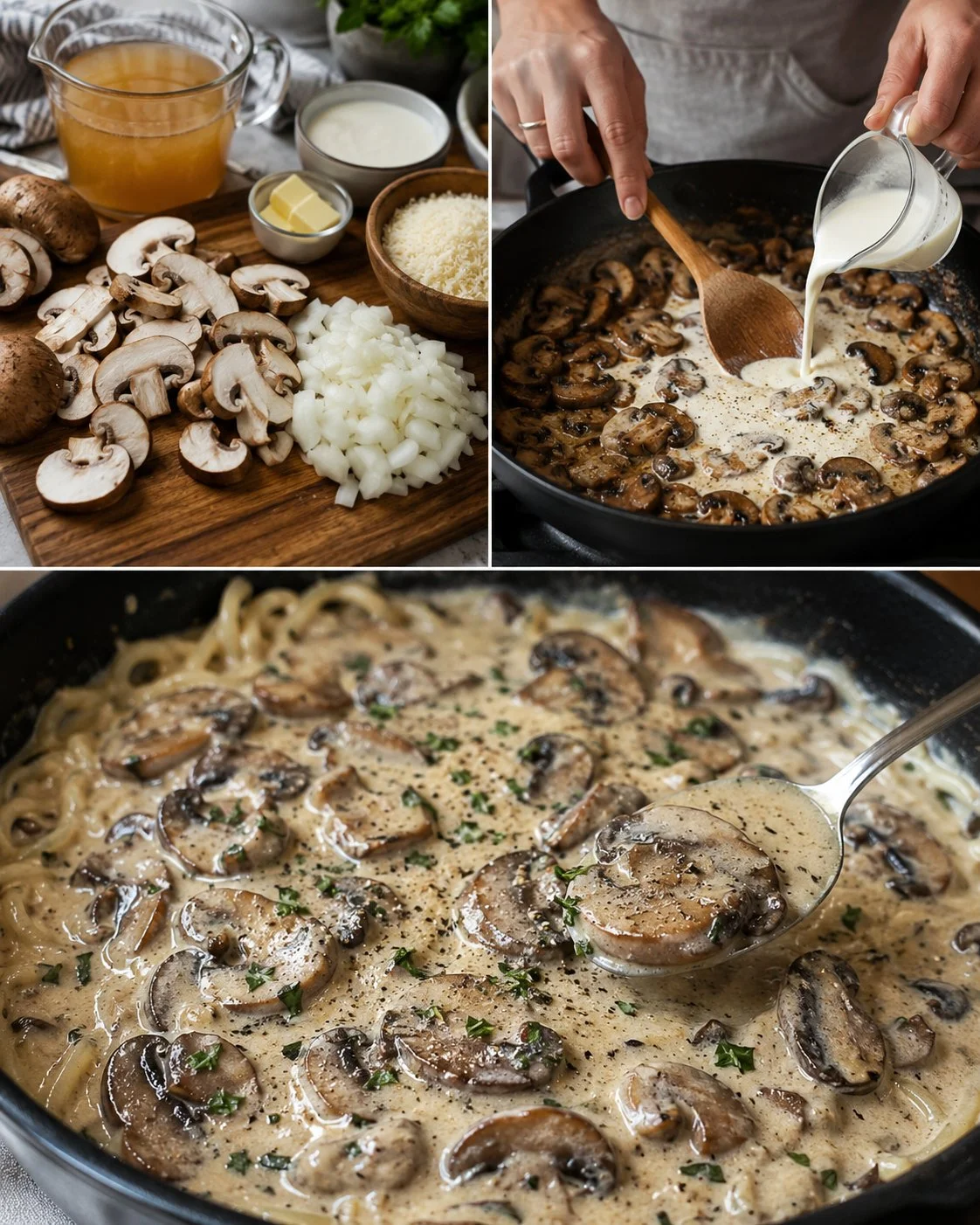
Creamy mushroom sauce is one of those “save dinner” recipes: it turns plain pasta, chicken, pork chops, steamed potatoes, or even dumplings into something that tastes like you really planned ahead. It’s rich (cream, butter, Parmesan) but still feels grounded because mushrooms and onion bring a savory, almost meaty depth—so a little goes a long way. If you enjoy cozy, restaurant-style flavors at home, you’ll love this; just know it’s not the lightest option, so it’s best enjoyed in sensible portions.
This is best for home cooks who want one flexible sauce they can reuse all week—especially if you keep mushrooms and broth around. The key texture detail is letting the mushrooms cook long enough to release their liquid and then brown; that’s where the flavor builds. If you like the same creamy-mushroom vibe on a full protein-based dinner, you might also enjoy this chicken in creamy balsamic mushroom sauce as a next meal idea.
Why This Recipe Is Helpful
- Makes a simple meal feel special without complicated techniques.
- Uses basic, affordable ingredients (mushrooms, onion, broth) for big flavor.
- Versatile: works over pasta, meat, potatoes, or dumplings.
- Quick enough for weeknights (about 20 minutes of real cooking).
- Easy to scale up for guests or scale down for a solo dinner.
- A good “bridge recipe” for picky eaters—mushrooms melt into the creamy sauce when chopped small.
Who This Recipe Is Best For
This sauce is great for anyone who wants a comforting, creamy topping that can carry a whole plate. Mushroom lovers will appreciate the deep, savory flavor, and it’s also a handy option for busy families because it pairs with whatever you already have cooked (leftover chicken, boiled potatoes, or pasta). If you’re cooking for someone who’s unsure about mushrooms, slice them thin or chop them small so they blend into the sauce more.
Who Should Be Careful
Because it’s made with cream, butter, and Parmesan, this sauce is fairly rich and higher in saturated fat and sodium than a tomato-based sauce. People who don’t tolerate dairy well may want to use a dairy-free alternative, and anyone watching calories may prefer smaller portions or a lighter swap. If you’re sensitive to heavy meals, serve it with a lighter base (steamed vegetables or roasted cauliflower) rather than a big bowl of pasta.
Ingredients
- Mushrooms: 200 g (about 7 oz), sliced
- Onion: 1/2 medium (about 75 g / 2.5 oz), finely chopped
- Vegetable oil: 1 tablespoon (15 ml), for frying
- Butter: 10 g (about 2 teaspoons)
- Broth (meat or vegetable): 150 g (150 ml / about 2/3 cup)
- Cream (heavy cream): 100 g (100 ml / about 1/3 cup + 1 tablespoon)
- Dried oregano: 1/2 teaspoon
- Salt: to taste
- Black pepper: to taste
- Parmesan cheese (finely grated): 15 g (about 3 tablespoons)
- Garlic: 1 clove, grated or minced very finely
- Parsley: 1 to 2 tablespoons chopped, for garnish
Ingredient Notes
- Mushrooms: Cremini/brown mushrooms give a deeper flavor, but white button mushrooms work perfectly. Slice evenly so they cook at the same rate.
- Broth: Use low-sodium broth if you can—Parmesan adds saltiness on its own.
- Cream: Heavy cream thickens easily and is less likely to split. If using lighter cream, keep the simmer gentle.
- Parmesan: Adds savory “umami” and helps the sauce feel glossy. Freshly grated melts better than the shelf-stable powdered kind.
- Garlic: Grate it so it disappears into the sauce—no harsh chunks.
Kitchen Tools Needed
- Medium skillet or sauté pan
- Cutting board and knife
- Wooden spoon or spatula
- Measuring cups/spoons
- Microplane or fine grater (helpful for garlic and Parmesan)
Step-by-Step Instructions
- Prep the vegetables. Slice the mushrooms and finely chop the onion. Grate or mince the garlic.
- Heat the pan. Set a medium skillet over medium heat. Add the vegetable oil and butter and let the butter melt.
- Soften the onion. Add the onion and sauté for about 3–4 minutes, stirring often, until translucent and lightly softened (not browned).
- Cook the mushrooms properly. Add the mushrooms. Cook 6–8 minutes, stirring occasionally. First they’ll release liquid; keep going until that liquid mostly evaporates and the mushrooms start to brown around the edges.
- Simmer with broth. Pour in the broth and scrape up any browned bits on the bottom of the pan. Simmer 2–3 minutes to reduce slightly.
- Add cream and seasoning. Stir in the cream, oregano, a pinch of salt, and black pepper. Keep the heat at a gentle simmer (not a hard boil).
- Finish with garlic and Parmesan. Stir in the grated garlic and Parmesan. Simmer 2–4 minutes, stirring, until the sauce thickens enough to lightly coat a spoon.
- Taste and adjust. Add more salt/pepper if needed. If it gets too thick, splash in a tablespoon or two of broth.
- Garnish and serve. Sprinkle with chopped parsley and serve hot.
Pro Tips
- Don’t rush the mushrooms. Browning is where the sauce gets its “restaurant” flavor.
- Simmer gently after adding cream. A hard boil can make dairy sauces more likely to separate.
- Grate Parmesan finely. It melts smoother and helps thicken without clumping.
- Season at the end. Parmesan and broth both bring salt, so it’s easy to overdo it early.
- Want a smoother sauce? Chop mushrooms smaller or pulse them briefly before cooking.
Healthier or Lighter Swaps
- Use half-and-half instead of heavy cream for a lighter sauce (keep the simmer gentle and expect a slightly thinner texture).
- Cut the butter in half and use a touch more oil, or vice versa—either works, just keep enough fat for good sautéing.
- Increase mushrooms to 300 g (10–11 oz) to stretch the sauce with more veg (it also makes it feel lighter per serving).
- Serve with balance: spoon it over grilled chicken or roasted vegetables and add a big salad on the side.
Common Mistakes
- Crowding the mushrooms so they steam instead of brown (use a wide pan).
- Adding cream before the mushrooms brown, which can make the sauce taste flat.
- Boiling aggressively after adding cream, risking a grainy or split sauce.
- Over-salting early (wait until Parmesan is in before final seasoning).
Variations
- Herby: Add a pinch of thyme or rosemary (go easy—strong herbs can overpower mushrooms).
- Extra savory: Stir in 1 teaspoon Dijon mustard with the cream.
- Spicy: Add a pinch of chili flakes while sautéing the onions.
- Vegetarian-friendly: Use vegetable broth and serve over pasta, polenta, or roasted potatoes.
Serving Suggestions
- Spoon over pasta (tagliatelle, penne, or spaghetti) and finish with extra parsley.
- Serve with chicken, pork chops, or steak, plus green beans or a simple salad to balance the richness.
- Pour over boiled or roasted potatoes for an easy comfort-food plate.
- Try it with dumplings or even as a creamy topping for roasted cauliflower.
Storage Instructions
- Cool and store in an airtight container in the refrigerator for up to 3 days.
- This sauce is best fresh, but leftovers still taste great for quick lunches.
Reheating Tips
Reheat gently in a saucepan over low heat, stirring often. If it thickens too much in the fridge, loosen with a splash of broth, milk, or water. Avoid boiling hard to keep the sauce smooth.
Nutrition Estimate
Per serving (about 1/4 of the recipe), estimates will vary by exact cream, broth, and Parmesan used:
- Calories: ~170 kcal
- Protein: ~4 g
- Carbs: ~6 g
- Fat: ~14 g
Recipe Summary
- Prep Time: 10 minutes
- Cook Time: 15 minutes
- Total Time: 25 minutes
- Servings: 4
- Cuisine: European-inspired
- Course: Sauce / Condiment
- Calories: ~170 per serving
Frequently Asked Questions
Can I make this sauce without cream?
Yes. You can use half-and-half for a lighter option, or try an unsweetened dairy-free cooking cream. The texture may be a bit thinner, so simmer slightly longer to thicken.
Is this sauce suitable for people managing blood sugar?
It’s relatively low in carbs on its own, but it’s often served over pasta or potatoes, which can raise the overall carb load. If that’s a concern, consider serving it over chicken and vegetables or a smaller portion of starch.
Is this sauce filling enough for dinner?
As a sauce alone, it’s more of a flavor booster than a full meal. Pair it with protein (chicken, fish, tofu