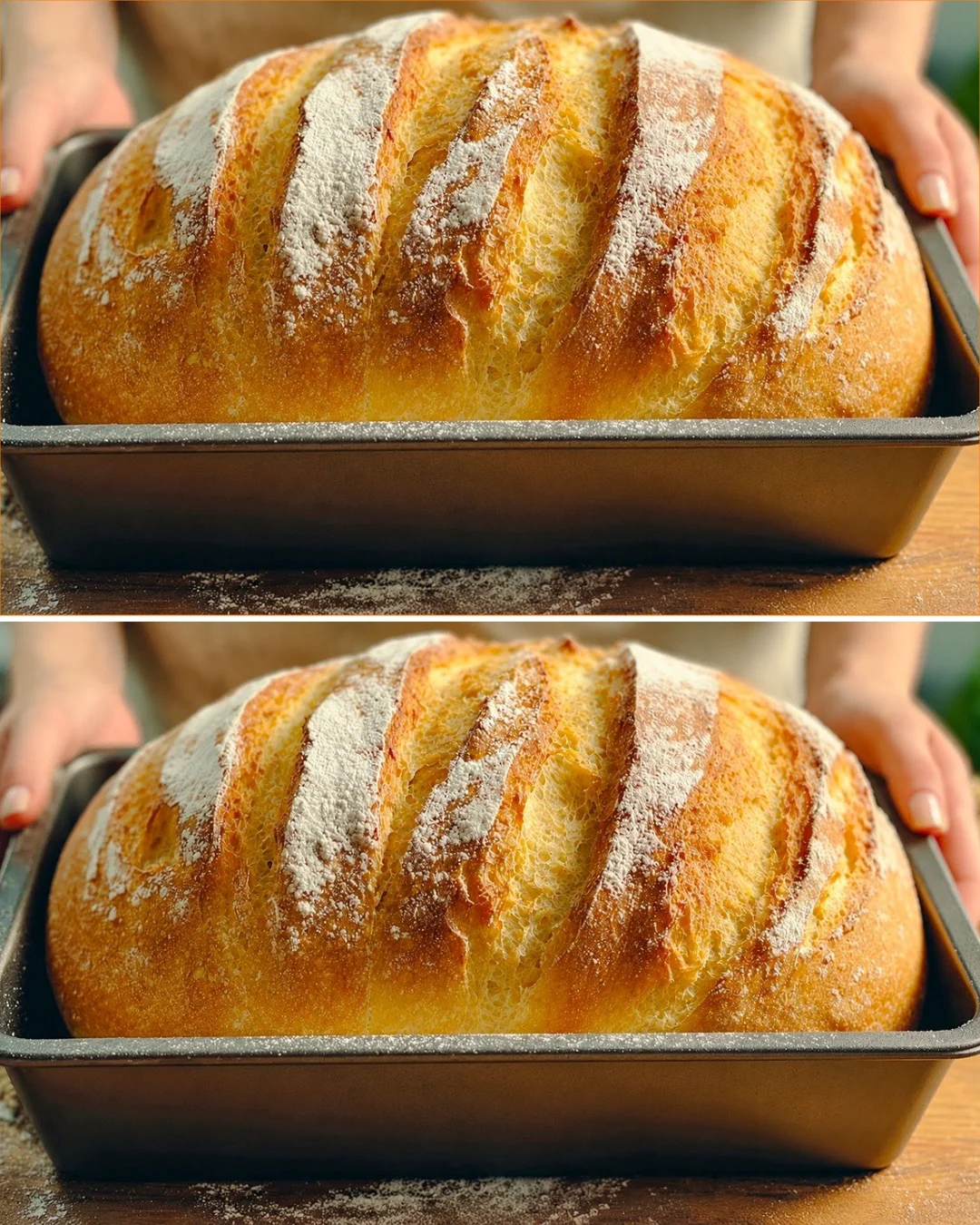
Bread baking at home can feel like magic, especially with a simple recipe that yields soft, airy bread and a golden crust every time. This recipe uses basic pantry ingredients and an easy method that suits both beginners and experienced bakers. Making your own bread not only fills your home with a wonderful aroma but also lets you enjoy fresh slices anytime. Additionally, this bread is free from preservatives and artificial additives, making it a wholesome choice for everyday meals. For those interested in complementary healthy habits, you might also explore a traditional detox remedy like the 3-day liver cleanse recipe, which pairs well with clean eating routines.
Why This Recipe Is Helpful
- Uses simple, accessible ingredients found in most kitchens.
- Requires no special equipment, only basic baking tools.
- Produces fresh bread with a soft texture and flavorful crust.
Best For
This bread recipe is perfect for anyone wanting to enjoy homemade bread without complicated steps. It suits beginners and those who appreciate a reliable everyday loaf.
Be Careful If
If you have gluten sensitivity or celiac disease, this bread is not suitable, as it contains wheat flour. Also, people watching their sugar intake may want to reduce or omit the sugar step.
Ingredients
- 1 cup (240 ml) warm water
- 1 tablespoon sugar
- 6 g dry yeast (about 2 teaspoons)
- 2 tablespoons (30 g) vegetable oil
- 3 cups (360 g) wheat flour, sifted
- 1 teaspoon salt
- Soft butter for greasing the baking pan
- Extra flour for dusting surfaces
Ingredient Notes
- Warm water should be around 40°C (105°F) to activate the yeast without killing it.
- Dry yeast may vary by brand; check freshness for best rise.
- Vegetable oil ensures soft crumb; you can substitute with light olive oil if preferred.
- Wheat flour provides gluten structure; sift to avoid lumps.
Kitchen Tools Needed
- Mixing bowl
- Sieve for flour
- Spatula
- Rolling pin
- Baking pan
- Sharp knife for scoring
- Clean kitchen towel or plastic wrap for covering dough
Step-by-Step Instructions
- In a bowl, combine warm water, sugar, and dry yeast. Stir gently and let it sit for 5–10 minutes until frothy, signaling the yeast is active.
- Add vegetable oil to the yeast mixture and whisk to combine thoroughly.
- Sift the wheat flour into the bowl to avoid clumps, then add salt.
- Use a spatula to begin mixing the ingredients into a rough dough.
- Knead the dough with clean hands on a lightly floured surface for about 8–10 minutes until it becomes smooth, elastic, and no longer sticky.
- Lightly grease a clean bowl with vegetable oil, place the dough inside, cover with a kitchen towel or plastic wrap, and leave it in a warm spot to rise for 1 hour or until it doubles in size.
- Preheat the oven to 180°C (356°F). Lightly grease a baking pan with soft butter.
- Dust a clean surface with flour, turn the risen dough out, and gently flatten with your hands. Sprinkle with a little more flour to prevent sticking.
- Roll the dough out evenly with a rolling pin, then shape it into a tight roll, sealing the edges well to keep its shape during baking.
- Place the rolled dough onto the prepared pan, cover, and let it rest for another 30 minutes allowing for a second, smaller rise.
- Lightly dust the top with flour and use a sharp knife to make shallow diagonal slashes on the surface for aesthetic and texture.
- Bake in the preheated oven for 30–35 minutes, or until the loaf is golden brown and sounds hollow when tapped on the bottom.
- Remove from oven and let cool briefly before slicing to enjoy the soft, airy interior and crisp crust.
Pro Tips
- Ensure the water is not too hot or too cold to keep yeast alive and active.
- Kneading well develops gluten, essential for structure and soft texture.
- Let the dough rest in a warm place to speed up rising, especially in colder environments.
- Scoring the dough allows controlled expansion and improves bread appearance.
Lighter Swaps
- Use olive oil instead of vegetable oil for more flavor and slightly healthier fat.
- Substitute half of the wheat flour with whole wheat for a denser, more nutritious loaf.
- Reduce sugar to half a tablespoon if you prefer less sweetness.
Common Mistakes
- Using water that is too hot can kill the yeast, stopping the rise.
- Under-kneading results in dense bread with poor texture.
- Skipping the dough rest phases decreases bread volume and fluffiness.
Serving Suggestions
Enjoy fresh bread with butter, jams, or as a sandwich base. It pairs well with soups or salads for a wholesome meal.
Storage Instructions
Store the bread tightly wrapped at room temperature for up to 3 days. For longer storage, slice and freeze in an airtight bag.
Reheating Tips
Warm slices in a toaster or oven to restore crispness before serving.
Nutrition Estimate
- Calories: Approx. 180 kcal per slice (1/12 of the loaf)
- Protein: 5 g
- Carbohydrates: 29 g
- Fat: 4 g
Values are estimates and may vary by ingredients and portion size.
Recipe Summary
- Preparation Time: 15 minutes
- Cooking Time: 30–35 minutes
- Total Time: About 2 hours (including rising time)
- Servings: 12 slices
- Cuisine: Home baking
- Course: Bread
- Calories: ~180 kcal per slice
Frequently Asked Questions
Q: Can I use fresh yeast instead of dry yeast?
A: Yes, use about three times the amount of fresh yeast, and dissolve it in warm water before mixing.
Q: How do I know if the dough has risen enough?
A: It should roughly double in size and be puffy to the touch.
Q: Can this bread be made without oil?
A: Oil helps keep the bread soft; omitting it may yield a firmer texture.
Conclusion
This simple bread recipe offers a reliable way to bake fresh, soft bread at home using basic ingredients. Its easy method makes it appealing for everyday baking, ensuring that homemade bread is within everyone’s reach. Enjoy the satisfaction and warmth of a loaf fresh from your oven.