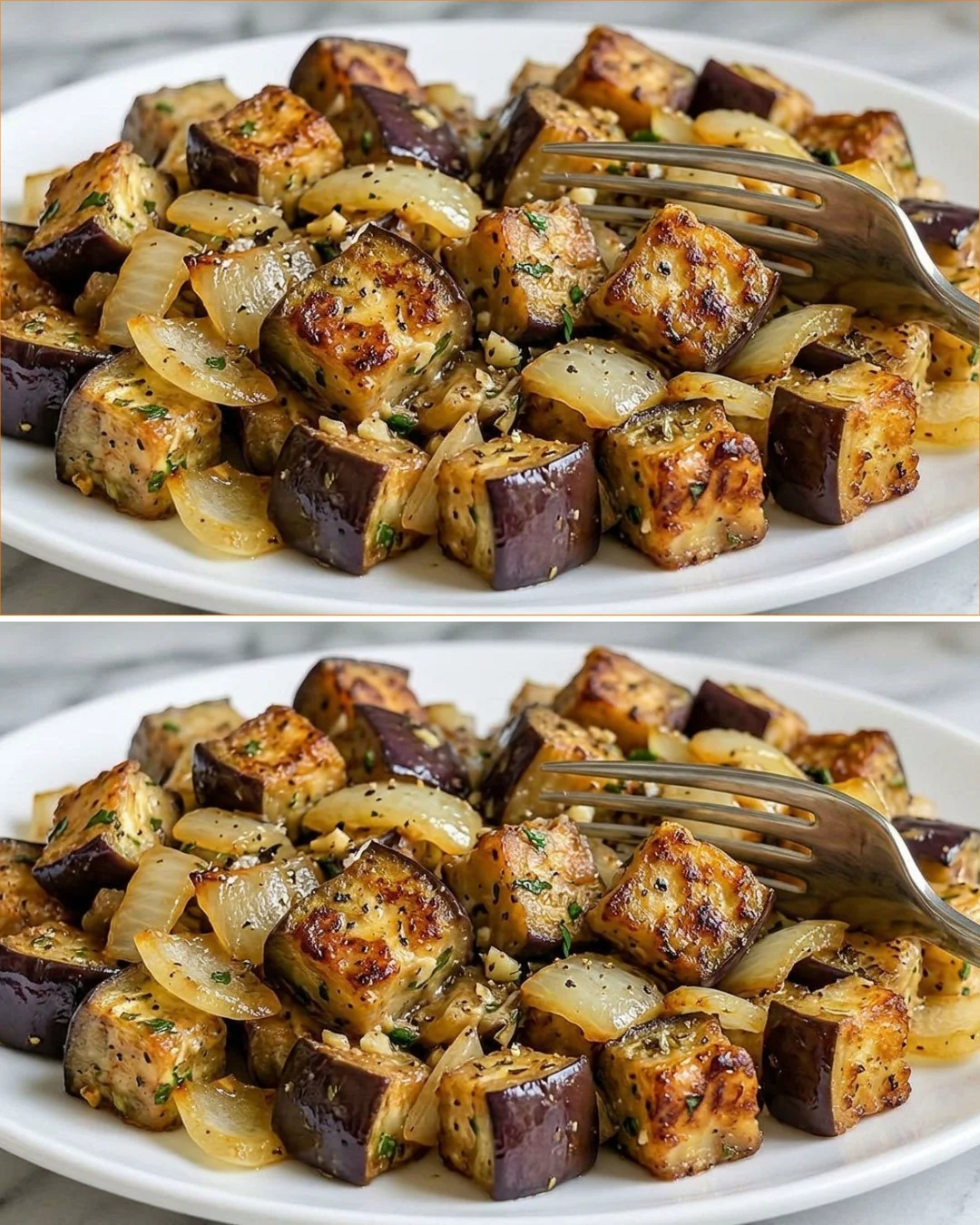
Eggplants have a unique capacity to absorb flavors and transform into rich, comforting dishes. This particular recipe takes advantage of their mushroom-like texture by cutting them into similar-sized pieces and soaking them in beaten eggs. It results in a tender, flavorful dish enhanced with garlic, onion, fresh herbs, and a touch of sour cream. Ideal as a warm appetizer or side, it suits those who love hearty vegetarian options and appreciate recipes that highlight the natural umami qualities of vegetables. For another creative way to enjoy eggplants, consider exploring the best crispy eggplant recipe.
Why This Recipe Is Helpful
- Uses simple, common ingredients for a restaurant-quality flavor at home.
- Showcases eggplants’ versatility by mimicking the texture of mushrooms.
- Provides a balanced cooking method combining sautéing with creamy freshness.
Best For
This recipe is perfect for vegetarian home cooks seeking a satisfying, savory dish. It also appeals to anyone looking for a warm appetizer or side that’s flavorful without being overly complicated.
Be Careful If
Those sensitive to fried foods or rich dairy should enjoy this dish in moderation due to the oil used for frying and the addition of sour cream or crème fraîche.
Ingredients
- 2 medium eggplants (about 1 to 1.2 pounds / 450 to 550 g)
- 2 large eggs
- Oil for frying, as needed (vegetable or olive oil recommended)
- 1 medium onion, finely chopped (about 150 g)
- 2 cloves garlic, crushed
- 10 g fresh parsley, finely chopped
- Salt, to taste
- Black pepper, to taste
- Fresh basil leaves, a small handful, chopped
- 3 tablespoons (45 g) sour cream or crème fraîche
Ingredient Notes
- Choose firm, medium-sized eggplants to ensure even cooking and avoid bitterness.
- Eggs help bind the eggplant pieces and add moisture, mimicking mushrooms’ texture.
- Sour cream or crème fraîche adds creaminess and balances the sautéed flavors.
Kitchen Tools Needed
- Sharp knife and cutting board
- Mixing bowl
- Large frying pan or skillet
- Wooden spoon or spatula
- Measuring spoons
Step-by-Step Instructions
- Wash the eggplants, then cut them into cubes or pieces roughly the size and shape of mushrooms, about 1 to 1.5 inches (2.5 to 4 cm).
- In a medium bowl, beat the eggs well. Dip the eggplant pieces in the eggs, then let them rest for 20 minutes to absorb the coating. This step will enhance their texture and flavor while cooking.
- Heat a generous amount of oil in a large frying pan over medium-high heat. The oil should cover about 3–4 mm of the pan’s bottom for gentle frying.
- Add the chopped onion and crushed garlic to the pan. Sauté for about 5 minutes until they turn golden and fragrant, stirring frequently to prevent burning.
- Add the egg-soaked eggplants to the pan in a single layer if possible. Cook for about 20 minutes, stirring occasionally to brown all sides evenly and ensure tenderness. The eggplants should become soft with a slightly crisp exterior.
- Season with salt, freshly ground black pepper, and stir in chopped fresh basil to brighten the flavor.
- Add the finely chopped parsley, mixing well to evenly distribute the herbs.
- Stir in the sour cream or crème fraîche and cook for another 2 minutes over low heat, allowing the creaminess to blend with the vegetables without curdling.
- Remove from heat and serve immediately while hot, as an appetizing side or starter.
Pro Tips
- Letting the eggplants rest in the egg mixture hydrates them and adds a delicate richness.
- Don’t overcrowd the pan; cook the eggplant in batches if needed to maintain even cooking and browning.
- Fresh herbs added at the end preserve their aroma and color.
- Use a neutral oil with a high smoke point to avoid bitterness during frying.
Lighter Swaps
- Use low-fat sour cream or Greek yogurt to reduce fat content without losing creaminess.
- Instead of frying, try roasting the eggplants in the oven with a spray of oil for a lighter version.
- Omit eggs if vegan, but then the texture will be less rich and more like roasted vegetables.
Common Mistakes
- Skipping the egg soak step can result in uneven cooking and less tender eggplant.
- Using too little oil leads to sticking and poor browning.
- Overcrowding the pan causes steaming rather than sautéing, making pieces soggy.
Serving Suggestions
Serve hot as a flavorful appetizer or a side dish paired with grilled meats, rice, or fresh bread to soak up the creamy sauce.
Storage Instructions
Store leftovers in an airtight container in the refrigerator for up to 2 days. Reheat gently to maintain texture and avoid drying out.
Reheating Tips
Reheat in a skillet over low heat or in a microwave at medium power, stirring occasionally for even warmth. Adding a splash of water or cream can refresh the sauce.
Nutrition Estimate
Per serving (serves 4):
- Calories: approximately 180 kcal
- Protein: 5 g
- Carbohydrates: 12 g
- Fat: 12 g
Values are estimates and may vary by ingredients and portion size.
Recipe Summary
- Prep Time: 25 minutes
- Cook Time: 25 minutes
- Total Time: 50 minutes
- Servings: 4
- Cuisine: European / Vegetarian
- Course: Appetizer or Side
- Calories: approx. 180 kcal per serving
Frequently Asked Questions
Q: Can I prepare this recipe vegan?
A: You can omit the eggs and substitute sour cream with a plant-based alternative, but texture and richness will differ.
Q: What if I don’t have fresh basil?
A: Dried basil can be used, but add it earlier in cooking to release flavor, as it’s less aromatic fresh.
Q: Can this dish be made gluten-free?
A: Yes, this recipe is naturally gluten-free as it contains no wheat or gluten ingredients.
Conclusion
This eggplant recipe is a delightful way to enjoy the vegetable’s rich textures and flavors. Its simple ingredients and straightforward steps make it accessible for everyday cooking, delivering a warm, creamy, and herbaceous dish that’s sure to please.