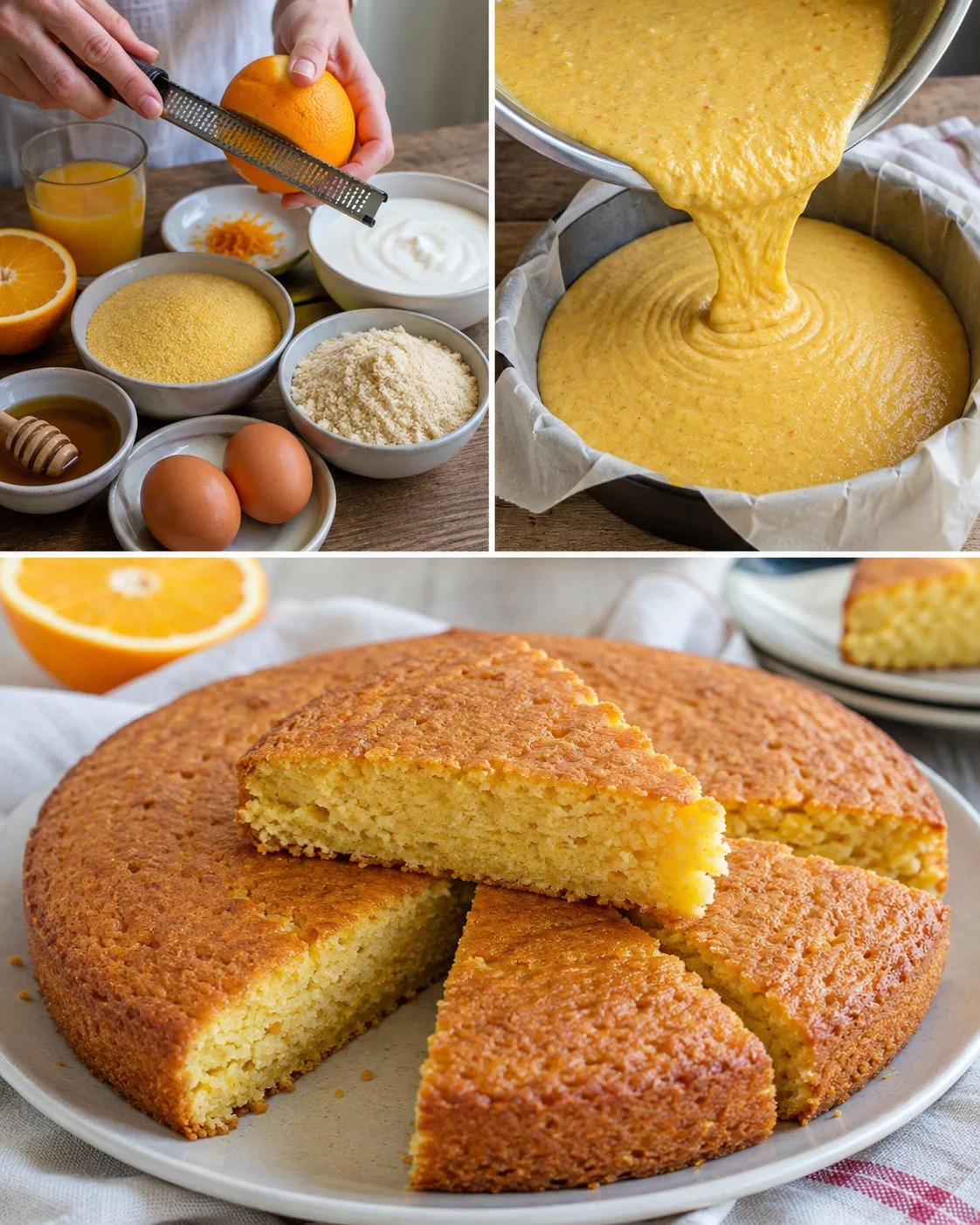
This flourless orange polenta almond cake is a fantastic way to enjoy a naturally moist, lightly textured dessert that’s free from traditional flour but packed with flavor. The combination of ground almonds and fine cornmeal creates a satisfying crumb, while the fresh orange zest and juice give it a bright, citrusy aroma. I’ve found that the yogurt adds a subtle tang and keeps the cake tender, perfect for afternoon tea or as a light finish to dinner. It’s straightforward to prepare, with no need for fancy equipment or complicated steps—just a good whisk and a reliable oven. For those who appreciate baked goods with a naturally gluten-free touch, this recipe fits beautifully alongside other similar recipes like this flourless almond orange cake that I like to keep on hand.
Why You’ll Love This Recipe
- Naturally gluten-free, using cornmeal and ground almonds instead of wheat flour.
- Bright orange flavor that’s fresh and not overly sweet.
- Yogurt and honey provide moistness without heaviness.
- Simple preparation with just one bowl and minimal tools.
- Can be adapted to different dietary preferences with easy swaps.
- The cake holds together well and slices cleanly without crumbling.
Ingredients
- 1 cup (140 g) fine cornmeal or polenta
- 1 cup (120 g) ground almonds (almond meal)
- 3 large eggs
- 3/4 cup (180 g) plain yogurt
- 1/3 cup (113 g) honey
- Zest of 1 large orange
- 1/3 cup (80 ml) freshly squeezed orange juice
- 1 teaspoon (4 g) baking powder
- 2 tablespoons (30 ml) olive oil
Ingredient Notes
Fine cornmeal or polenta gives this cake a pleasant grainy texture without being gritty; if you can only find coarse polenta, pulse it shortly in a food processor to make it finer. Ground almonds add moisture and a delicate nuttiness—if using almond meal that’s too coarse, the texture could feel heavy, so sift if needed. Plain yogurt is best for a mild tang; Greek yogurt works too but might make the batter thicker, so adjust slightly with a tablespoon of orange juice if needed. Olive oil provides richness and a subtle fruity note, but a mild vegetable oil can substitute if preferred. Fresh orange zest and juice are crucial—bottled juice won’t give the same brightness.
Kitchen Tools Needed
- 8-inch (20 cm) round cake pan, lined with parchment
- Mixing bowl
- Whisk
- Measuring cups and spoons
- Zester or fine grater
- Small juicer (optional but helpful)
Step-by-Step Instructions
- Preheat your oven to 350°F (180°C) and line an 8-inch round cake pan with parchment paper or grease it well.
- In a large mixing bowl, whisk together the eggs, yogurt, honey, orange zest, orange juice, and olive oil until the mixture is smooth and slightly frothy. This ensures good incorporation for the batter’s lightness.
- Stir in the fine cornmeal, ground almonds, and baking powder until just combined. Let the batter rest for about 5 minutes to allow the cornmeal to absorb some moisture—this helps develop the cake’s texture.
- Pour the batter into the prepared pan and smooth the surface evenly with a spatula.
- Bake for 35 to 40 minutes. The cake should be golden on top and firm in the center when tested with a skewer (it should come out clean or with a few moist crumbs, not wet batter). Baking time may vary slightly depending on your oven’s accuracy.
- Allow the cake to cool completely in the pan before slicing. This firmness letting it cool is key to clean slices without crumbling.
Pro Tips
- Use freshly grated orange zest for the brightest flavor; avoid white pith which can taste bitter.
- Letting the batter rest before baking improves the moisture absorption, resulting in a more tender crumb.
- Use a non-stick or well-greased pan with parchment to prevent sticking without distorting the cake’s golden edges.
- Honey varies in sweetness; if your honey is very strong, reduce slightly to balance the citrus.
- For extra texture, consider folding in a handful of chopped toasted almonds before baking.
- If preferred, substitute yogurt with buttermilk for a similar tang and texture.
Common Mistakes
- Using coarse cornmeal without grinding finer can lead to a gritty texture.
- Skipping the batter rest period often leads to a drier cake.
- Overbaking makes the cake dry—start checking at 35 minutes for doneness.
- Not cooling before slicing can cause the cake to crumble.
- Using bottled orange juice loses the fresh citrus aroma that makes this cake special.
Variations
- Add a teaspoon of vanilla extract or ground cardamom for a subtle spice twist.
- Replace orange zest and juice with lemon for a different citrus flavor profile.
- Stir in a handful of dark chocolate chips or dried cranberries for bursts of sweetness.
- Swap olive oil for melted coconut oil to add a hint of tropical flavor.
Serving Suggestions
This cake pairs wonderfully with a dollop of crème fraîche or a spoonful of Greek yogurt to complement the citrus notes. It’s also delicious simply dusted with powdered sugar. For a more indulgent dessert, serve alongside vanilla ice cream or fresh berries. Because it’s naturally moist and not overly sweet, it works well with tea or coffee any time of day.
Storage Instructions
Store leftovers in an airtight container at room temperature for up to 2 days. For longer storage, keep it covered in the refrigerator for up to 4 days. Bring back to room temperature before serving to enjoy the cake’s tender texture.
Reheating Tips
Reheating this cake is best done gently in a microwave for about 15–20 seconds or in a low oven (300°F / 150°C) for 5–7 minutes, wrapped loosely in foil to prevent drying out. Avoid overheating to keep the moist crumb intact.
Nutrition Estimate (per serving, serves 8)
- Calories: 220
- Protein: 6 g
- Carbohydrates: 25 g
- Fat: 11 g
Recipe Summary
- Prep Time: 10 minutes
- Cook Time: 35–40 minutes
- Total Time: 45–50 minutes
- Servings: 8
- Cuisine: Mediterranean-inspired
- Course: Dessert / Snack
- Calories: 220 (approximate per serving)
Frequently Asked Questions
Can I use all-purpose flour instead of cornmeal?
This cake relies on the cornmeal for texture and taste, so substituting flour would change its character significantly. For a similar result, try other recipes based on almond flour and orange like this almond orange cake.
Is this cake suitable for a gluten-free diet?
Yes, with fine cornmeal and ground almonds, it is naturally gluten-free, assuming your ingredients are certified gluten-free.
Can I make this cake vegan?
This recipe uses eggs and yogurt, key to its texture. Vegan substitutions would require significant adjustments, like aquafaba or flax eggs and plant-based yogurt, though results may vary.
How to store this cake if I want it to last longer?
Refrigerate in an airtight container for up to 4 days or freeze sliced portions wrapped tightly in plastic wrap and foil for up to 2 months.
Can I add nuts or other fruits?
Yes, finely chopped nuts work beautifully, and dried fruits like cranberries or chopped dried apricots add nice contrast. Fold them in with the dry ingredients.
Enjoy this naturally sweet and fragrant orange polenta almond cake for an easy yet memorable treat that’s far from ordinary. This recipe is a great example of how simple ingredients come together for something fresh and delicious without fuss.