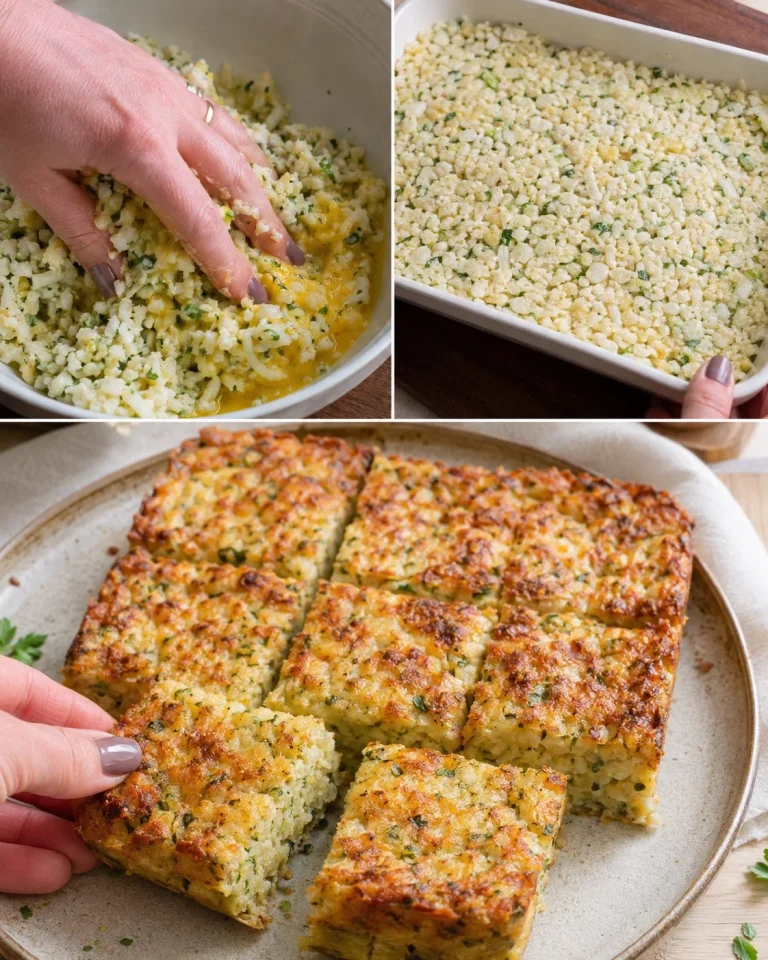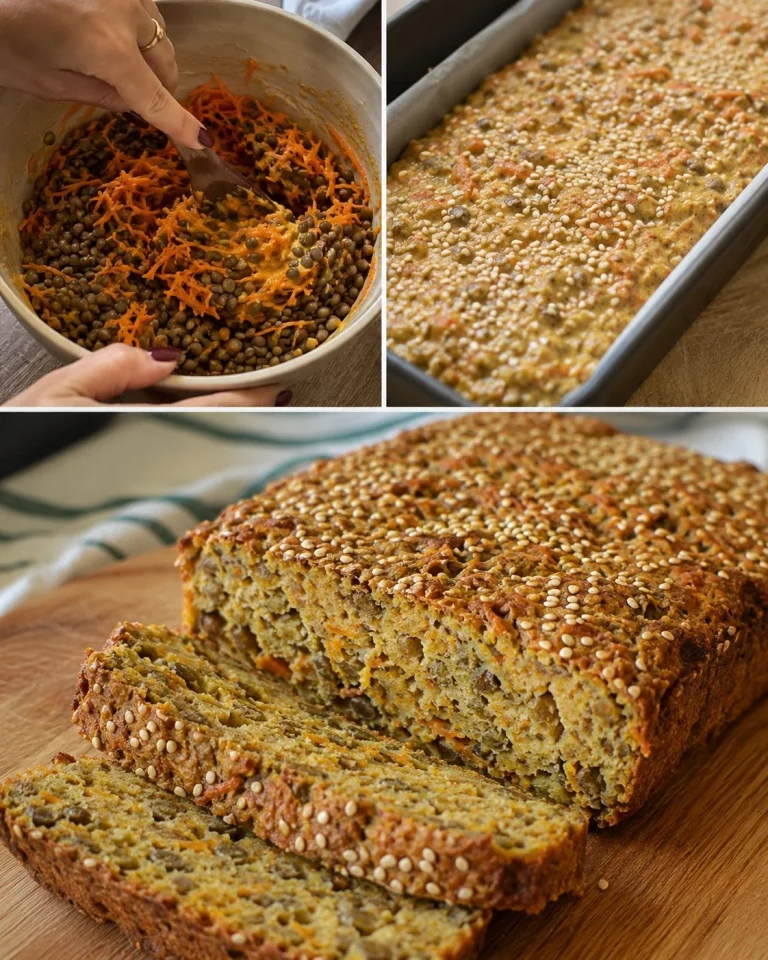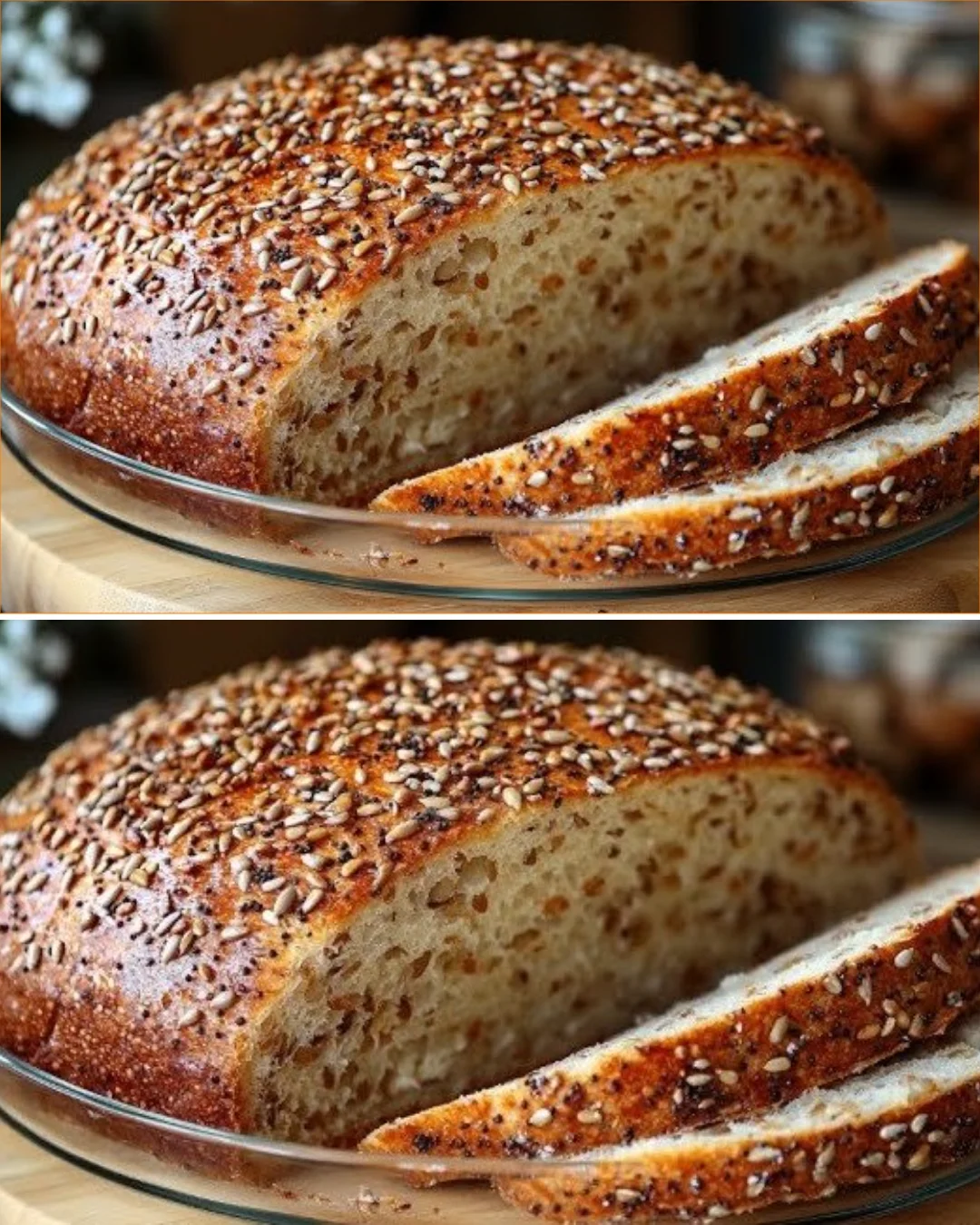
Making healthy bread at home has never been easier, and this simple, wholesome recipe is perfect for anyone looking to add more nutrition to their diets without spending hours in the kitchen. I was skeptical at first about whether such a quick method could yield a satisfying bread, but after multiple tests, I’m thrilled to share that you can enjoy a great loaf, packed with seeds and nutrients, in just 5 minutes of prep time. The blend of seeds offers a delightful crunch, and the addition of beets and garlic introduces a subtle earthiness that elevates the flavor.
What’s truly remarkable is that this recipe is not only quick to whip up but also adaptable; you can easily modify it to suit your taste or dietary needs. It’s an excellent option for busy mornings or as a side to a hearty soup or salad. Let’s dive into making this healthy bread!
Why You’ll Love This Recipe
- Minimal Prep Time: Only 5 minutes to prepare, making it perfect for busy lifestyles.
- Nutrient-Dense: Packed with pumpkin and sunflower seeds, this bread is rich in healthy fats, fiber, and protein.
- Versatile Flavor: The addition of roasted beets and garlic gives it a unique twist that’s far from ordinary.
- No Kneading Required: Just mix and bake; a great choice for beginners.
- Customizable: Feel free to add your favorite herbs and spices to create your own unique version.
Ingredients
- 1/2 cup (60 g) pumpkin seeds
- 1 cup (140 g) sunflower seeds
- 1 tablespoon (15 g) sesame seeds, divided
- 1/2 cup (60 g) flaxseeds, divided
- 2 tablespoons (15 g) psyllium husk
- 2 teaspoons (10 g) baking powder
- Salt to taste
- 1 teaspoon (1 g) dried oregano
- 3 large eggs
- 1/2 cup (100 ml) water
- 2 tablespoons (30 ml) olive oil
- Vegetable oil (for greasing)
- 50 g walnuts, roughly chopped
- 1 cup (150 g) cooked beetroot, roughly chopped
- 1 clove of garlic
- 1 tablespoon (15 ml) lemon juice
- Black pepper to taste
Ingredient Notes
- Seeds: Pumpkin and sunflower seeds are the stars of this recipe, contributing texture and nutritional value. You can substitute other seeds, like chia or hemp, if desired.
- Psyllium Husk: This is crucial for binding the ingredients together and providing a gluten-free option.
- Beetroot: Adds moisture and a natural sweetness. You can use canned beetroots for convenience.
Kitchen Tools Needed
- Mixing bowls
- Baking pan (preferably 9″x5″ or similar)
- Whisk
- Parchment paper
- Blender or food processor
Step-by-Step Instructions
- Preheat your oven to 350°F (180°C) and grease a baking pan with vegetable oil, then line it with parchment paper for easier removal.
- Toast the seeds: In a pan over medium heat, lightly toast the pumpkin and sunflower seeds for about 3-5 minutes, stirring constantly, until golden and fragrant. Remove from heat and let cool slightly.
- Prepare the seeds: In a food processor, grind half of the sesame seeds and half of the flaxseeds until fine. Keep the other halves unground for added texture.
- Mix dry ingredients: In a large bowl, combine the ground sesame seeds, ground flaxseeds, psyllium husk, baking powder, salt, and dried oregano.
- Whisk wet ingredients: In another bowl, whisk together the eggs, water, and olive oil until well combined.
- Combine mixtures: Pour the wet ingredients into the dry ingredients and mix until fully combined. Let the mixture sit for about 15 minutes. It will thicken as the psyllium absorbs the moisture.
- Shape the dough: Using greased hands, scoop the dough into your prepared baking pan. Smooth the top and brush lightly with water.
- Top with seeds: Sprinkle the remaining sesame seeds, toasted pumpkin seeds, and sunflower seeds on top, pressing them in gently.
- Bake: Place the pan in the preheated oven and bake for 40-45 minutes or until the bread is golden brown and a toothpick inserted in the center comes out clean.
- Prepare the sauce: While the bread bakes, blend the cooked beetroot, garlic, lemon juice, olive oil, and a pinch of salt and black pepper in a blender until smooth.
- Serve: Once baked, let the bread cool slightly before slicing. Serve warm with a generous dollop of the beetroot sauce and a sprinkle of chopped walnuts on top.
Pro Tips
- Toasting the seeds enhances their flavor, so don’t skip this step as it adds depth to your bread.
- If the dough feels too thick after the resting period, you can add a tablespoon or two more of water to loosen it.
- Also, experimenting with fresh herbs like basil or dill can give this bread an exciting twist!
Common Mistake
One common mistake is not allowing the dough to rest long enough. This step is essential for the psyllium to work properly, helping to bind the bread and improve texture.
Variations
- Herb-Infused Bread: Add fresh herbs such as rosemary or thyme for an aromatic twist.
- Nutty Delight: Mix in other nuts like almonds or pecans for added crunch and flavor.
- Mediterranean Style: Incorporate sun-dried tomatoes and feta for a savory variation.
- Sweet Additions: Stir in some dried fruits like cranberries or apricots for a sweeter loaf perfect for breakfast.
Serving Suggestions
Serve this bread warm, sliced, and spread with creamy butter or hummus for a delicious snack, or pair it with a fresh salad for a fulfilling meal.
Storage Instructions
Store leftover bread in an airtight container at room temperature for up to 3 days or in the refrigerator for up to a week. For longer storage, slice and freeze the bread, then toast as needed.
Reheating Tips
For best results, reheat the bread in a toaster or oven until warmed through. This restores its lovely crust.
Nutrition Estimate
- Calories per slice: Approximately 180
- Protein: 7 g
- Carbohydrates: 10 g
- Fat: 12 g
Recipe Summary Card
Prep Time: 5 minutes
Cook Time: 40-45 minutes
Total Time: 45-50 minutes
Servings: 8 slices
Cuisine: Healthy, Vegetarian
Course: Bread
Calories: 180
Frequently Asked Questions
- Can I make this bread vegan?
- Yes! Substitute the eggs with flaxseed meal mixed with water (1 tablespoon of flaxseed meal + 2.5 tablespoons of water for each egg).
- What can I use instead of psyllium husk?
- Ground chia seeds or ground flaxseeds can act as a substitute, although the texture may vary slightly.
- Can I add cheese to this recipe?
- Absolutely! Adding shredded cheese will enhance the flavor and create a delightful savory bread.
- How can I make this bread more filling?
- Add some rolled oats or quinoa to the mix for added fiber and protein.
- What type of seeds can I use?
- Feel free to swap seeds based on your preference; chia, hemp, or even poppy seeds work well.
Conclusion
This healthy bread is not only simple to make but also supports a balanced diet while offering a delightful taste experience. Testing this recipe has brought me great satisfaction, and I’m sure it will do the same for you. Whether enjoyed on its own or with your favorite spread, it’s a nutritious addition to your meals that you’ll be eager to whip up again and again.
Tested Note
After several trials, I’ve found that allowing the bread to cool slightly before slicing improves its overall texture—making it easier to cut and enhancing the crunch of the crust!