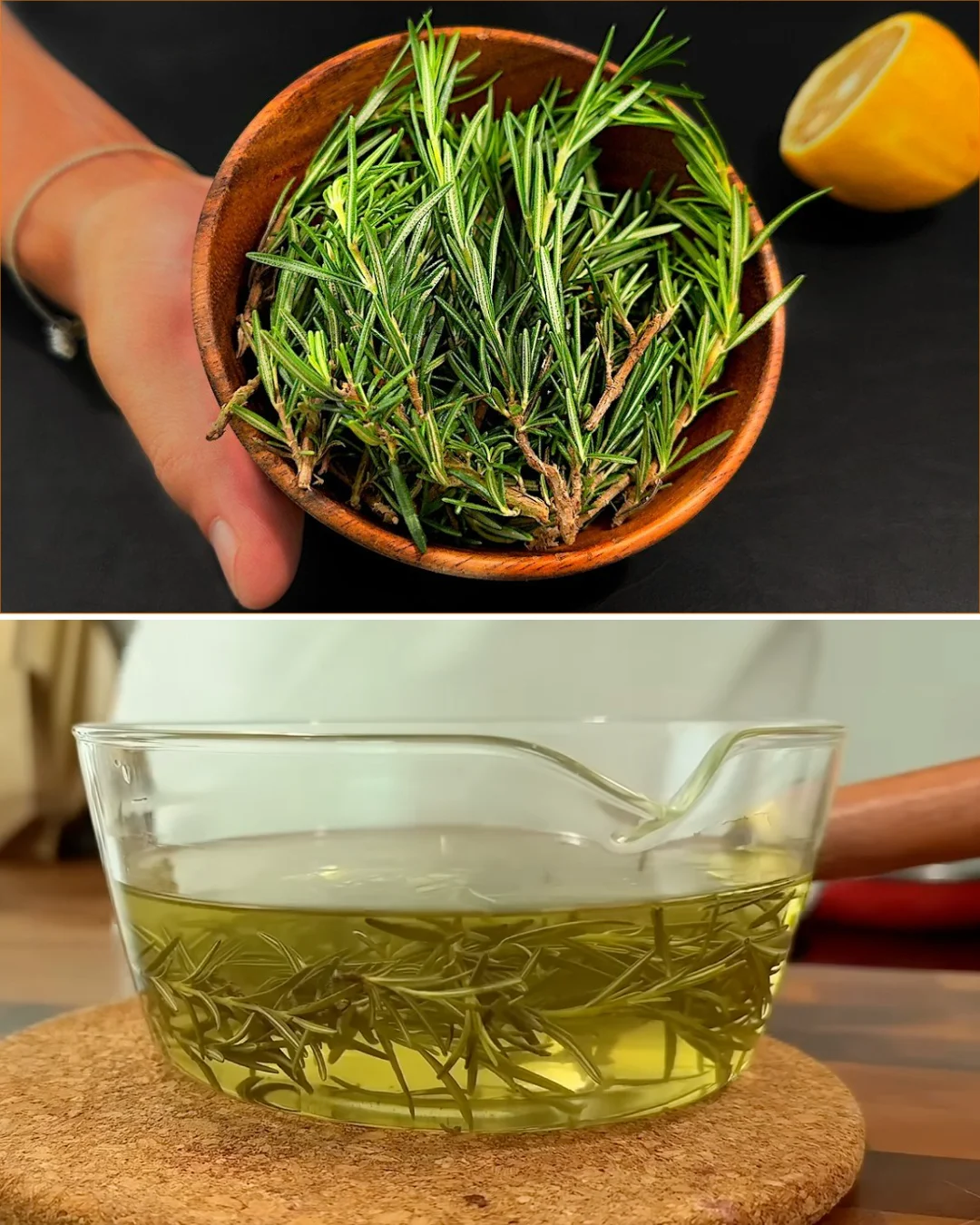
Rosemary, a fragrant herb, is not just a culinary delight but also a versatile remedy known for its numerous health benefits. Its rich aroma and distinctive taste elevate dishes, but its healing properties are equally impressive. This post features three unique ideas using rosemary that can enhance your well-being: an oil for varicose veins, a tea for improved digestion and immunity, and a water rinse to promote hair growth. Infusing coconut or olive oil with rosemary creates a soothing remedy, while a warm cup of rosemary tea can be a comforting ritual. With these simple concoctions, you’ll discover how this humble herb can be a powerhouse in your kitchen and medicine cabinet.
Why You’ll Love This Recipe
- Multi-purpose use: Treat varicose veins, aid digestion, and boost hair growth.
- Simple and natural: Made with common ingredients easily found at home.
- Aromatic and delightful: Infuse your space with the invigorating scent of rosemary.
- Health benefits: Supports digestion, immune health, and enhances hair vitality.
- Quick to prepare: Each remedy takes just a short time to make.
Ingredients
- 5 sprigs of fresh rosemary (15 g)
- 5 dried bay leaves
- 1 cup (240 ml) coconut oil or olive oil
- 1 tablespoon (15 g) black tea
- 2 cups (480 ml) boiling water
- 10 sprigs of fresh rosemary (30 g)
Ingredient Notes
- Rosemary: A fragrant herb rich in antioxidants and anti-inflammatory compounds.
- Coconut Oil/Olive Oil: Both options are nutritious, with coconut oil offering a slight tropical flavor while olive oil adds a fruitier note.
- Bay Leaves: Their aromatic qualities enhance the infusion, balancing with rosemary’s flavor.
- Black Tea: Provides a robust base for the tea, aiding in digestion.
Kitchen Tools Needed
- Saucepan
- Teapot or heatproof jar
- Fine mesh strainer
- Spoon for stirring
- Clean container for storage
Step-by-Step Instructions
- Prepare the Rosemary Oil:
- Remove the leaves from 5 sprigs of fresh rosemary and place them in a saucepan. Add 5 dried bay leaves.
- Pour in 1 cup (240 ml) of coconut oil or olive oil.
- Heat over low flame for 10-15 minutes, stirring occasionally to infuse the flavors.
- Cool and Store Oil:
- Once infused, remove the saucepan from heat and allow the mixture to cool completely.
- Strain the oil through a fine mesh strainer into a clean container, discarding the herbs.
- Make Rosemary Tea:
- In a teapot, combine 2 sprigs of fresh rosemary and 1 tablespoon of black tea.
- Pour in 2 cups (480 ml) of boiling water and allow it to steep for 5-7 minutes.
- Strain the tea and enjoy hot to reap its digestive and immune-boosting benefits.
- Prepare Rosemary Water for Hair Growth:
- In another saucepan, boil 10 sprigs of rosemary in 2 cups (480 ml) of water for about 10-15 minutes.
- Once boiling, remove from heat and let it cool before straining the liquid.
- Apply Hair Tonic:
- Use the rosemary water as a rinse after shampooing or apply directly to dry hair to stimulate growth.
Cooking Tips
- Infuse oils at a low temperature to prevent burning the herbs.
- Store the rosemary oil in a dark glass container to preserve its properties.
- Always double-check for allergies before using herbal remedies.
- Use fresh rosemary for the oil and tea for the best flavor and health benefits.
- Ensure boiling water is not over-extracted for tea, leading to bitterness.
Variations
- Rosemary Infused Vinegar: Substitute vinegar for oil to create a tangy salad dressing.
- Herbal Spice Blends: Mix dried rosemary with other spices for seasoning blends.
- Essential Oil: Create a concentrated essential oil from rosemary using different distillation processes.
- Add Spice to Tea: Experiment by adding ginger or lemon to the tea for extra flavor and health benefits.
Serving Suggestions
Enjoy the rosemary tea alongside a light meal or use the infused oil as a massage balm on the affected areas. The rosemary water not only hydrates the hair but also serves as a scalp conditioner after washing.
Storage Instructions
Store the rosemary oil in a cool, dark place for up to 2 months. The rosemary tea can be refrigerated for up to a week. The rosemary water should also be kept in a cool area, ideally using it within a week for the best effects.
Reheating Tips
The rosemary oil does not require reheating; apply it at room temperature. If you wish to enjoy the tea warm again, gently reheat in a saucepan without boiling.
Nutrition Estimate
- Calories: 60
- Protein: 0 g
- Carbohydrates: 0 g
- Fat: 7 g
Recipe Summary Card
Prep Time: 10 minutes
Cook Time: 30 minutes
Total Time: 40 minutes
Servings: 2-3
Cuisine: Herbal
Course: Remedies
Calories: 60
Frequently Asked Questions
- Can I use dried rosemary instead of fresh?
- Yes, but fresh rosemary generally provides a stronger flavor and aroma.
- How often should I apply rosemary oil for varicose veins?
- It is recommended to apply the oil 1-2 times daily for the best results.
- Is rosemary tea safe during pregnancy?
- Pregnant women should consult their healthcare provider before using any herbal remedies.
- How long can I store rosemary water?
- It is best to use it within one week when stored in a cool place.
- Can I mix rosemary oil with other oils?
- Yes, you can blend it with other carriers like almond or jojoba oil for added benefits.
Conclusion
Rosemary offers an array of health benefits that you can easily incorporate into your daily routine. Whether you’re looking for natural remedies or just a flavorful addition to your diet, these rosemary-based preparations are accessible and versatile. Embrace this herb’s healing properties and elevate your wellness journey with simple, homemade remedies.
Rosemary Oil, Tea, and Water
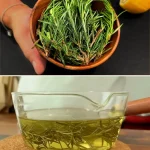
Discover three unique remedies using rosemary that enhance well-being: an oil for varicose veins, a tea for digestion and immunity, and a water rinse for hair growth.
For the Rosemary Oil
- 5 sprigs 5 sprigs of fresh rosemary (Fresh rosemary provides a stronger flavor.)
- 5 leaves 5 dried bay leaves (Enhances the infusion.)
- 1 cup 1 cup coconut oil or olive oil (Both options are nutritious; choose based on flavor preference.)
For the Rosemary Tea
- 1 tablespoon 1 tablespoon black tea (Provides a robust base for the tea.)
- 2 cups 2 cups boiling water (Ensure not to over-extract to avoid bitterness.)
- 2 sprigs 2 sprigs of fresh rosemary (Use fresh for the best flavor.)
For the Rosemary Water
- 10 sprigs 10 sprigs of fresh rosemary (Use fresh for maximum benefits.)
- 2 cups 2 cups water (To be boiled for the infusion.)
Prepare the Rosemary Oil
- Remove the leaves from 5 sprigs of fresh rosemary and place them in a saucepan. Add 5 dried bay leaves.
- Pour in 1 cup of coconut oil or olive oil.
- Heat over low flame for 10-15 minutes, stirring occasionally to infuse the flavors.
Cool and Store Oil
- Once infused, remove the saucepan from heat and allow the mixture to cool completely.
- Strain the oil through a fine mesh strainer into a clean container, discarding the herbs.
Make Rosemary Tea
- In a teapot, combine 2 sprigs of fresh rosemary and 1 tablespoon of black tea.
- Pour in 2 cups of boiling water and allow it to steep for 5-7 minutes.
- Strain the tea and enjoy hot to reap its digestive and immune-boosting benefits.
Prepare Rosemary Water for Hair Growth
- In another saucepan, boil 10 sprigs of rosemary in 2 cups of water for about 10-15 minutes.
- Once boiling, remove from heat and let it cool before straining the liquid.
Apply Hair Tonic
- Use the rosemary water as a rinse after shampooing or apply directly to dry hair to stimulate growth.
Infuse oils at a low temperature to prevent burning the herbs. Store the rosemary oil in a dark glass container to preserve its properties. Always double-check for allergies before using herbal remedies.