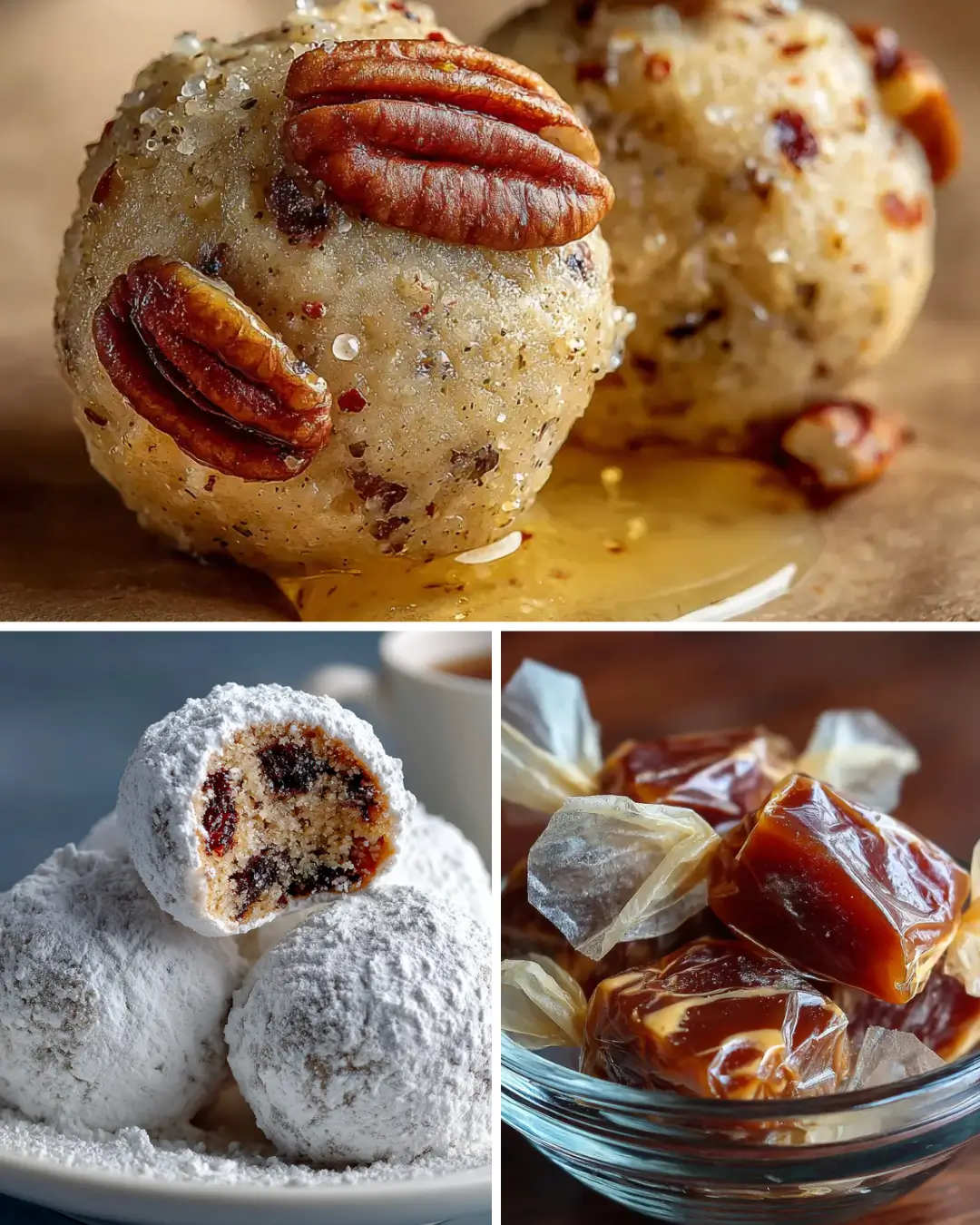
30 Christmas candies from Betty Crocker’s 1950s holiday cookbook sat on every coffee table in America. Penuche. Divinity. Bourbon balls. Grandmothers made them for pennies and wouldn’t dream of serving store-bought candy to guests. Today you won’t find a single one. They vanished the day we decided homemade looked cheap and Whitman’s Samplers looked classy. We’re bringing them back.
1. Penuche (Brown Sugar Fudge)
This was fudge made with brown sugar instead of white, which gave it a deep caramel flavor. In 1955, penuche cost about 40¢ to make. That’s roughly $4.50 today.

Ingredients:
- 2 cups packed light brown sugar
- 1 cup granulated sugar
- 1 cup whole milk
- 2 tablespoons butter
- 1 teaspoon vanilla extract
- 1 cup chopped pecans (optional)
Instructions:
- Butter an 8-inch square pan.
- In a heavy 3-quart saucepan, combine brown sugar, white sugar, and milk. Cook over medium heat, stirring constantly, until sugars dissolve and mixture comes to a boil.
- Attach a candy thermometer to the side. Without stirring, cook to the soft-ball stage (236°F/113°C).
- Remove from heat. Add butter and vanilla but do not stir. Let cool, undisturbed, until the bottom of the pan is lukewarm (110°F/43°C).
- Using a wooden spoon, beat vigorously until the mixture loses its gloss, thickens, and becomes creamy. This will take 5-10 minutes of constant beating.
- Quickly stir in pecans, if using, and pour into the prepared pan. Score into squares while warm.
- Let set completely at room temperature before cutting.
Why It Vanished: Chocolate fudge dominated. But penuche is richer and more interesting.
2. Divinity
This was fluffy white candy made from sugar syrup beaten into egg whites until it formed stiff, glossy peaks. In 1950, Divinity cost about 35¢ per batch.

Ingredients:
- 2 ½ cups granulated sugar
- ½ cup light corn syrup
- ½ cup water
- 2 large egg whites, room temperature
- 1 teaspoon vanilla extract
- Pinch of salt
Instructions:
- Line baking sheets with parchment or wax paper.
- In a saucepan, combine sugar, corn syrup, and water. Cook over medium heat, stirring until sugar dissolves. Bring to a boil and cook without stirring to the hard-ball stage (260°F/127°C).
- While syrup cooks, beat egg whites with salt in a stand mixer until stiff peaks form.
- With the mixer running on low, slowly and carefully pour the hot syrup in a thin stream into the egg whites. Avoid the beaters.
- Increase speed to high and beat until mixture is very thick, holds stiff peaks, and loses its gloss (about 5-7 minutes). Beat in vanilla.
- Working quickly, drop by heaping teaspoons onto prepared sheets. If mixture becomes too stiff, add a few drops of hot water.
- Let set in a cool, dry place for at least 2 hours. Note: Do not make on humid or rainy days.
Why It Vanished: It required perfect weather. High humidity prevented it from setting.
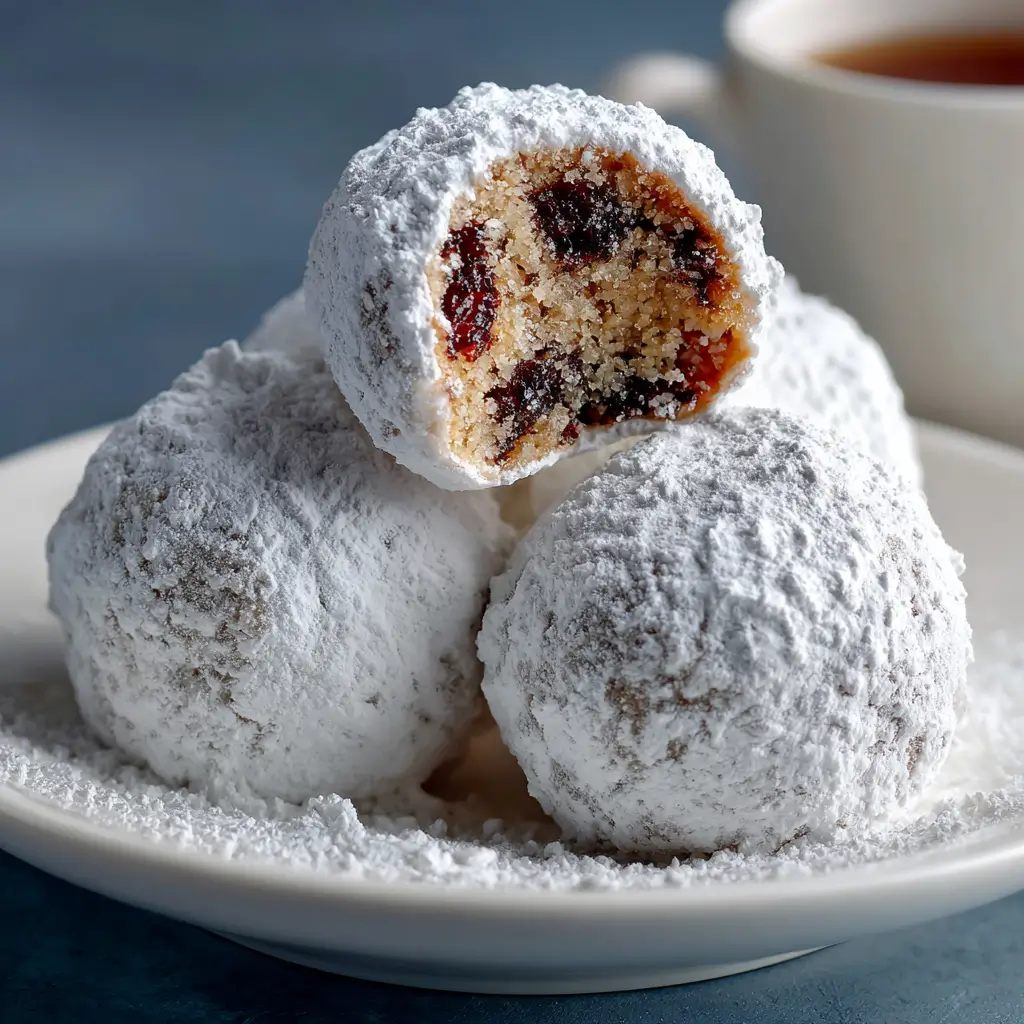
3. Bourbon Balls
These were no-bake candies with a boozy kick that wasn’t for children. In 1950, these cost about $1 per batch.
Ingredients:
- 2 ½ cups (about 8 oz) vanilla wafer crumbs
- 1 cup finely chopped pecans
- 1 cup powdered sugar, plus more for rolling
- 2 tablespoons cocoa powder
- 2 tablespoons light corn syrup
- ¼ cup bourbon
Instructions:
- In a large bowl, combine vanilla wafer crumbs, pecans, 1 cup powdered sugar, and cocoa.
- In a small bowl, whisk corn syrup and bourbon. Pour over dry ingredients and mix until thoroughly combined. The mixture should hold together when squeezed.
- Roll mixture into 1-inch balls. Roll balls in additional powdered sugar.
- Store in an airtight container at room temperature for at least 2 days before serving to allow flavors to mellow and meld.
Why It Vanished: Boozy desserts fell out of favor. (They’re making a comeback!)
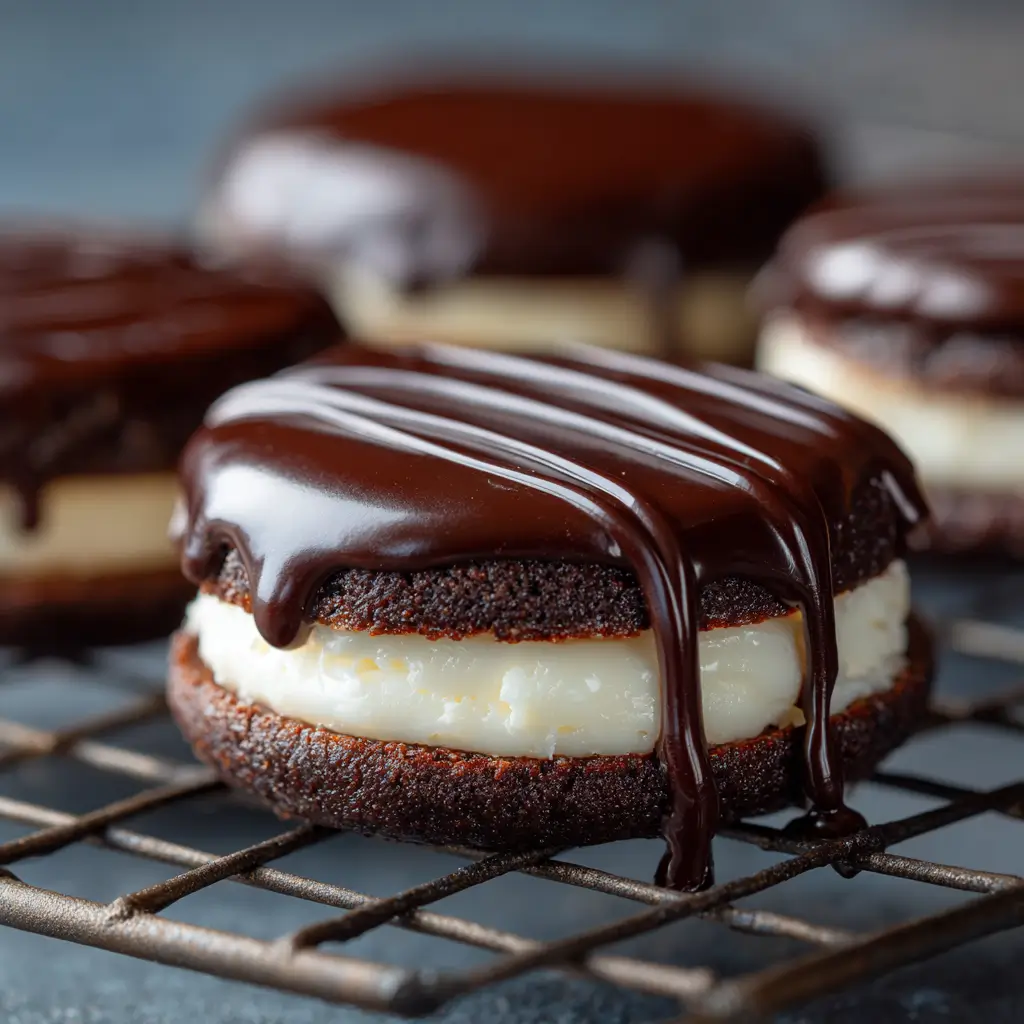
4. Chocolate Peppermint Creams
These were soft peppermint fondant centers dipped in dark chocolate.
Ingredients (Fondant):
- 3 cups powdered sugar, sifted
- 2 tablespoons softened butter
- 3 tablespoons milk or cream
- ¼ teaspoon peppermint extract
For Dipping:
- 8 oz semi-sweet or dark chocolate, chopped
- 1 tablespoon coconut oil or shortening
Instructions:
- For fondant: Mix powdered sugar, butter, milk, and peppermint extract in a bowl. Knead with hands until it forms a smooth, pliable paste. Add more milk a drop at a time if too dry.
- Roll into small, uniform balls (about 1 tsp each). Place on parchment-lined tray and chill for 30 minutes.
- Melt chocolate with coconut oil in a double boiler or microwave (30-second bursts, stirring). Let cool slightly.
- Using a fork, dip each ball in chocolate, tap off excess, and return to parchment. Let set at room temperature.
Why It Vanished: York Peppermint Patties became ubiquitous.
5. Opera Creams
Soft vanilla fondant candies shaped into ovals and topped with a pecan half.

Ingredients:
- 2 cups granulated sugar
- 1 cup heavy cream
- ⅓ cup light corn syrup
- ¼ teaspoon salt
- 2 teaspoons vanilla extract
- Pecan halves for topping
Instructions:
- Butter an 8-inch pan.
- In a saucepan, combine sugar, cream, corn syrup, and salt. Stir over medium heat until sugar dissolves, then cook without stirring to soft-ball stage (236°F/113°C).
- Pour onto a buttered marble slab or large platter. Let cool until lukewarm (about 10 minutes).
- Using a sturdy spatula, work the mixture by scraping, folding, and spreading until it turns from translucent to white, thick, and creamy (about 15 minutes). Work in vanilla.
- Press into the buttered pan. Let set for 1 hour. Cut into small squares or ovals and press a pecan half onto each.
Why It Vanished: Regional candies became less common outside the South.
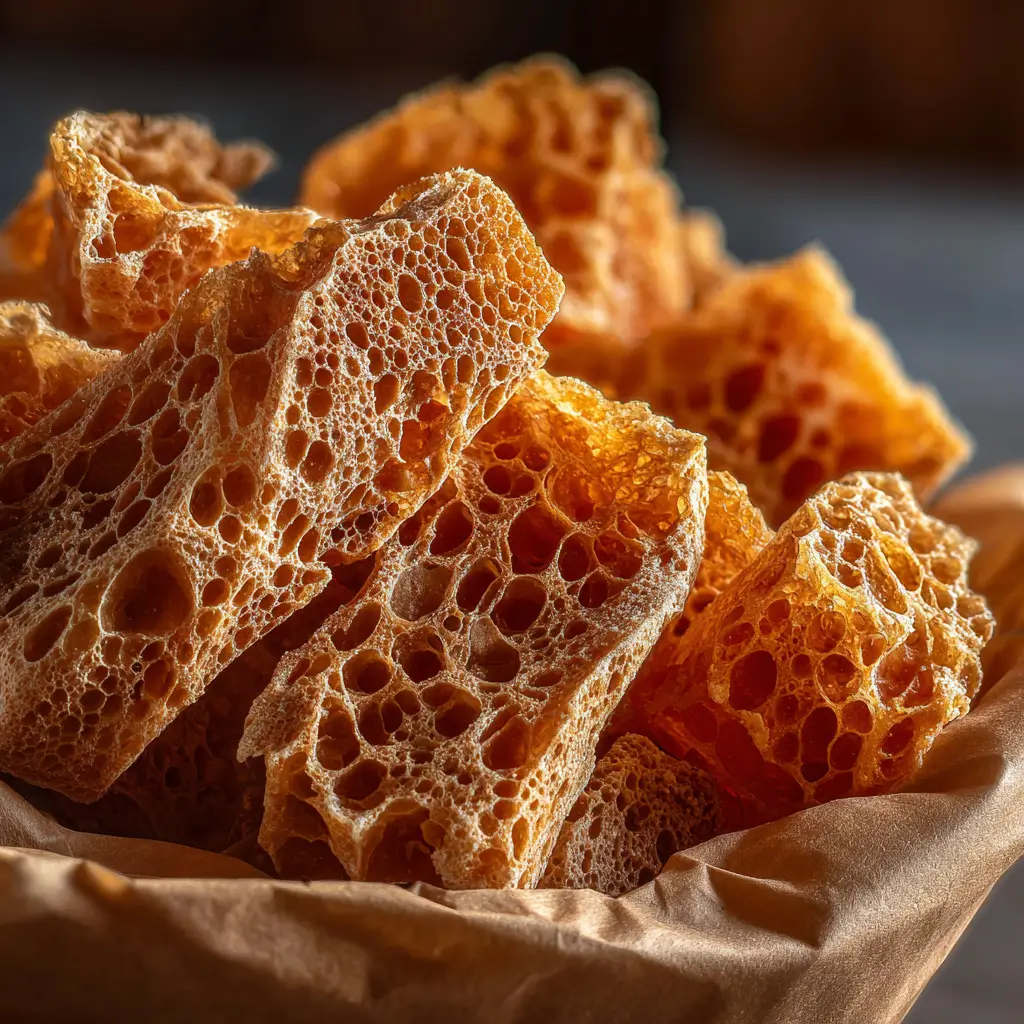
6. Seafoam (Divinity’s Caramel Cousin)
Like divinity, but made with brown sugar for a golden color and butterscotch flavor.
Ingredients:
- 2 cups packed light brown sugar
- ½ cup light corn syrup
- ½ cup water
- 2 large egg whites
- 1 teaspoon vanilla extract
Instructions:
Follow the exact method for Divinity (#2), substituting brown sugar for white sugar. The candy will be a beautiful tan color with a rich flavor.
Why It Vanished: Same as divinity—a humidity casualty.
7. Pralines
Flat, round candies from New Orleans made with brown sugar, cream, and pecans.

Ingredients:
- 1 cup packed light brown sugar
- 1 cup granulated sugar
- ½ cup heavy cream
- 4 tablespoons butter
- 2 cups pecan halves
Instructions:
- Line baking sheets with parchment or foil.
- In a heavy saucepan, combine sugars and cream. Cook over medium heat, stirring, until sugars dissolve. Attach a candy thermometer.
- Cook to soft-ball stage (236°F/113°C), stirring occasionally. Remove from heat.
- Stir in butter and pecans. Beat with a spoon for 1-2 minutes until the mixture begins to thicken and turn opaque.
- Working quickly, drop by large tablespoonfuls onto prepared sheets. Let cool completely.
Why It Vanished: Became a regional specialty, less known nationwide.
8. Molasses Taffy
Old-fashioned pulled taffy that required muscle and patience.

Ingredients:
- 1 cup molasses
- 1 cup granulated sugar
- 1 tablespoon vinegar
- 2 tablespoons butter, plus extra for hands
Instructions:
- Butter a large platter or marble slab.
- In a saucepan, combine molasses, sugar, and vinegar. Cook over medium heat, stirring, to hard-ball stage (260°F/127°C).
- Remove from heat, stir in 2 tbsp butter, and pour onto the buttered surface.
- Let cool until you can handle it (but still warm). Butter your hands generously.
- Pull the taffy: stretch it out, fold it back, and repeat for 10-15 minutes until it turns light brown and has a satiny sheen.
- Pull into a long rope and cut with buttered scissors. Wrap individually in wax paper.
Why It Vanished: Pulling candy became an obsolete, labor-intensive technique.
9. Coconut Bon Bons
Balls of sweetened coconut mixed with condensed milk, dipped in chocolate.

Ingredients:
- 4 cups sweetened shredded coconut
- ⅔ cup sweetened condensed milk
- 1 teaspoon vanilla extract
- Pinch of salt
- 8 oz dark chocolate, for dipping
Instructions:
- Combine coconut, condensed milk, vanilla, and salt. Mix until it holds together.
- Roll into 1-inch balls and place on a parchment-lined tray. Chill for 1 hour.
- Melt chocolate. Using a fork, dip each ball, tap off excess, and return to parchment to set.
Why It Vanished: Layered and filled candies became more common than simple coconut balls.
10. Butterscotch Drops
Hard candy that tasted like liquid butter and sugar.

Ingredients:
- 2 cups granulated sugar
- ¾ cup light corn syrup
- ½ cup water
- 6 tablespoons butter
- ¼ teaspoon salt
- 1 teaspoon vanilla extract
Instructions:
- Butter two large sheets of parchment paper.
- In a saucepan, combine sugar, corn syrup, water, butter, and salt. Cook over medium heat to hard-crack stage (300°F/149°C).
- Remove from heat, stir in vanilla.
- Working extremely quickly, drop by teaspoonfuls onto the buttered paper. Let harden completely.
Why It Vanished: Bagged hard candies like Werther’s replaced homemade versions.
The Lost Art & Why It Matters
These candies represent more than just recipes. They represent a time when Christmas was made, not purchased. When showing love meant spending time, not money. The kitchen smelled of sugar and butter for days. Children snuck pieces. Neighbors stopped by for samples.
Betty Crocker’s cookbooks weren’t just instructions; they were guides to creating tradition. “Beat until thick” gave you time to think and remember. “Soft-ball stage” taught competence. “Share with neighbors” built community.
We stopped making them not because they’re difficult, but because we forgot they existed. Convenience seduced us, but left us hollow. A box of store-bought candy says, “I stopped at the store.” A tin of homemade penuche says, “I spent my afternoon creating this just for you.”
The cost comparison is telling. Homemade fudge costs about 33¢ per piece. A Hershey’s miniature costs 10¢. But the 33¢ piece tastes of real butter and vanilla. The 10¢ piece tastes of wax and chemicals.
Make one this Christmas. Start with peanut butter fudge or bourbon balls. Work up to divinity. Burn a batch and try again. Share and laugh. See what your grandmother knew: that the process is the point. That stirring fudge for ten minutes is meditation. That some connections—to the past, to each other, to our own hands—are too valuable to let die.
These candies are history, memory, tradition, and love made visible. They’re proof that old-fashioned doesn’t mean obsolete. It means tested, proven, and true.